Natural gas system operators participating in the Vertical Corridor initiative visited the Alexandroupoli Liquefied Natural Gas Terminal on Thursday, September 3, ahead of extending the regional energy network to North Macedonia and Serbia.
The inspection preceded the signing of a Memorandum of Understanding that will formally integrate gas system operators from North Macedonia and Serbia into the initiative. The agreement aims to strengthen energy market cooperation across Southeastern and Central Europe while establishing new natural gas transport routes toward the Western Balkans.
During the site visit, operator representatives received detailed briefings on the operation and technical capabilities of the terminal, including its contribution to regional energy security and system resilience. Technical experts also outlined the facility's role in opening new supply routes and detailed the safety and environmental protection standards governing its operations.
While at the Gastrade facilities in the Port of Alexandroupoli, the delegates met with Greek Minister of Environment and Energy Stavros Papastavrou. Papastavrou emphasized the strategic importance of the floating storage and regasification unit in national and European energy policy and security. He stated that the Greek government remains committed to supporting initiatives that reinforce Greece as an energy gateway to Southeastern and Central Europe.
US support and gas diversification
Later the same afternoon, operators convened for a working meeting focused on finalizing the agreement to expand the Memorandum of Understanding. United States Department of Energy Special Envoy Joshua Volz greeted the meeting and highlighted the value of regional infrastructure projects.
Volz said that developing regional energy infrastructure is vital for ending the European Union's reliance on Russian natural gas through diversified supply sources and routes. He added that such cooperation helps build a more resilient European energy system.
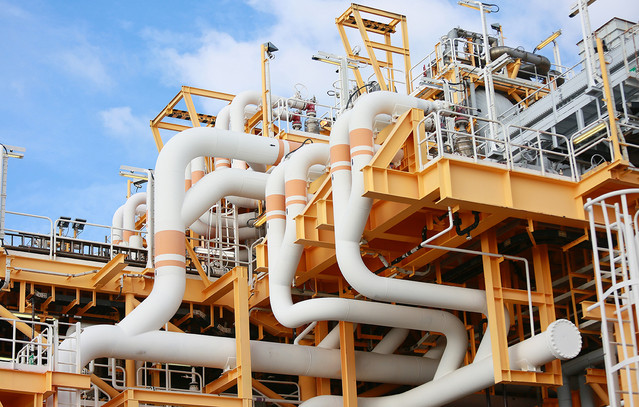
The floating storage and regasification unit, anchored offshore near the northern Greek port city of Alexandroupoli, converts imported liquefied gas back into vapor for pipeline transport. Situated near the Aegean Sea, Alexandroupoli serves as a strategic maritime and transit hub linking Mediterranean shipping lanes to inland Balkan transport networks.
Expanding Balkan energy routes
The Alexandroupoli terminal operates as a primary entry gateway for the Vertical Corridor system, enhancing its efficient and competitive performance. Integrating North Macedonia and Serbia is considered a critical step in completing the corridor and extending its reach into Western Balkan markets.
The expanded pipeline framework provides alternative supply routes for landlocked Central European markets, including Hungary and Slovakia. Connecting these nations to the Greek terminal allows them to diversify their energy supplies more rapidly using natural gas imported from the global market.