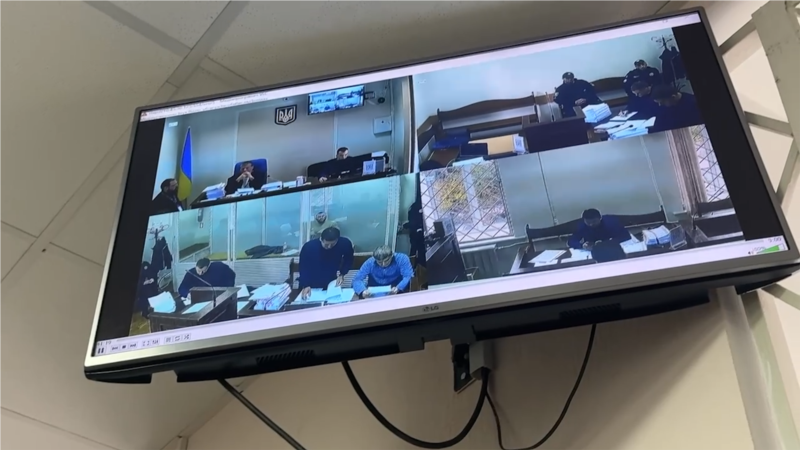
Ukrainian intelligence general Serhii Duka and senior police commanders have been remanded in custody in Kyiv over a sweeping criminal protection racket.
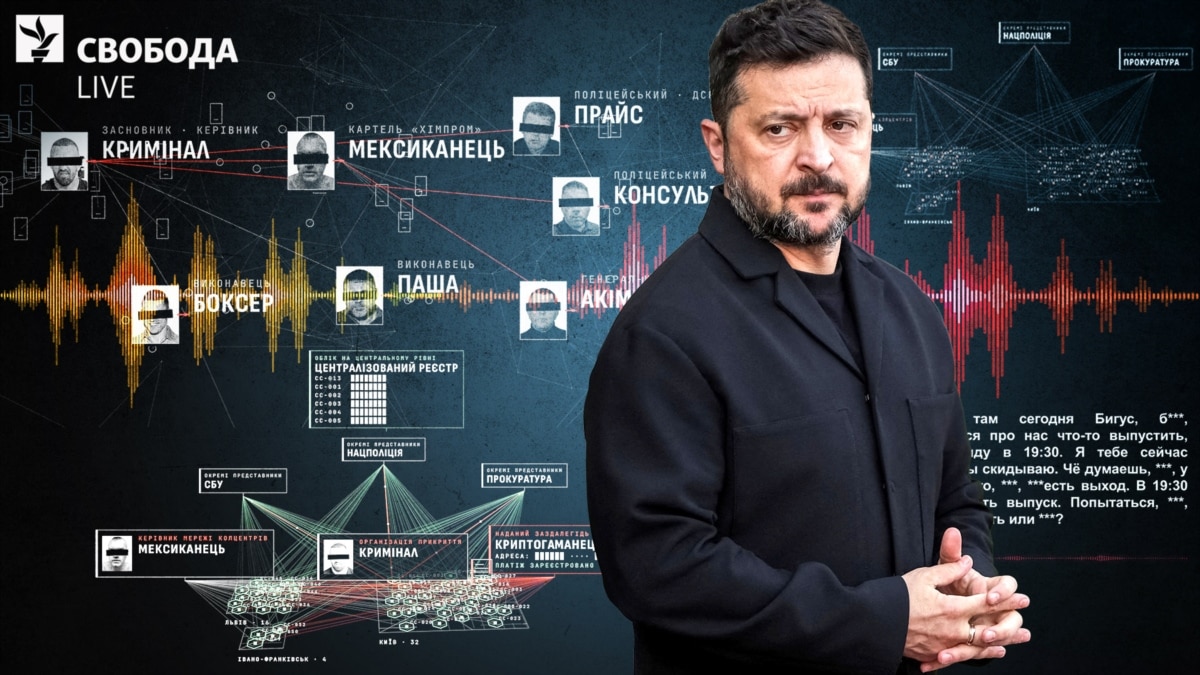
The detentions follow a major expansion of Operation Carthage, a joint investigation by the National Anti-Corruption Bureau of Ukraine and the Specialised Anti-Corruption Prosecutor's Office. Investigators say a criminal syndicate of at least 12 people used high-ranking officials to run illegal call centres, narcotics sales, currency counterfeiting, and violent assaults.
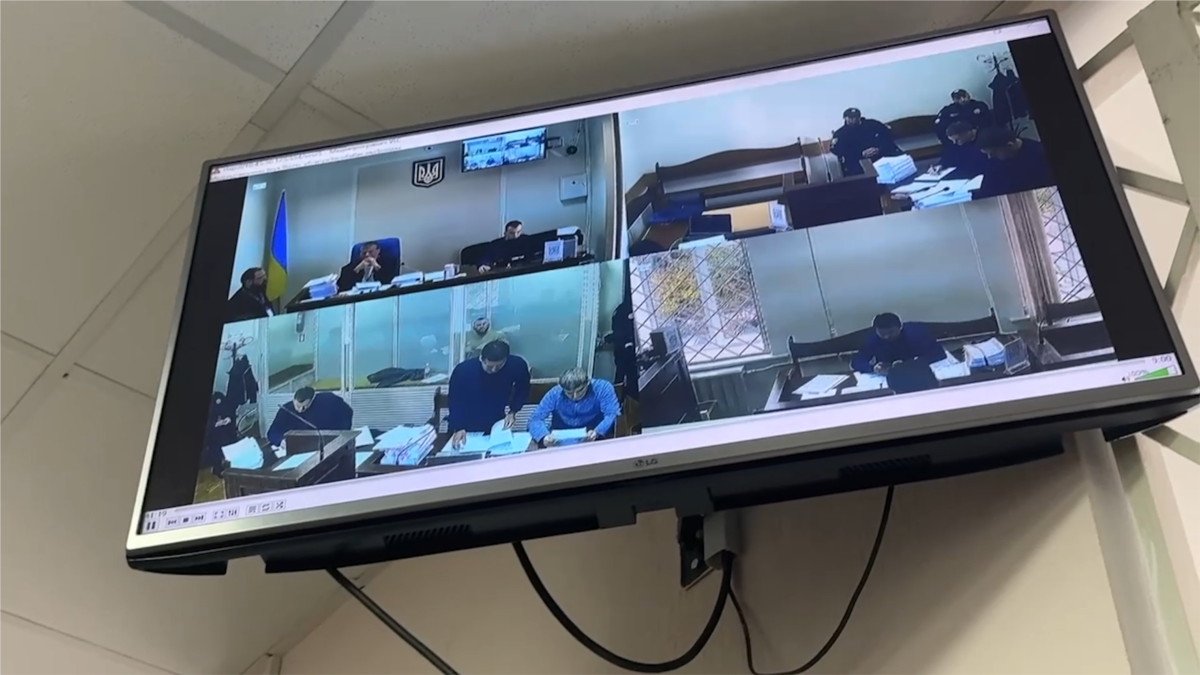
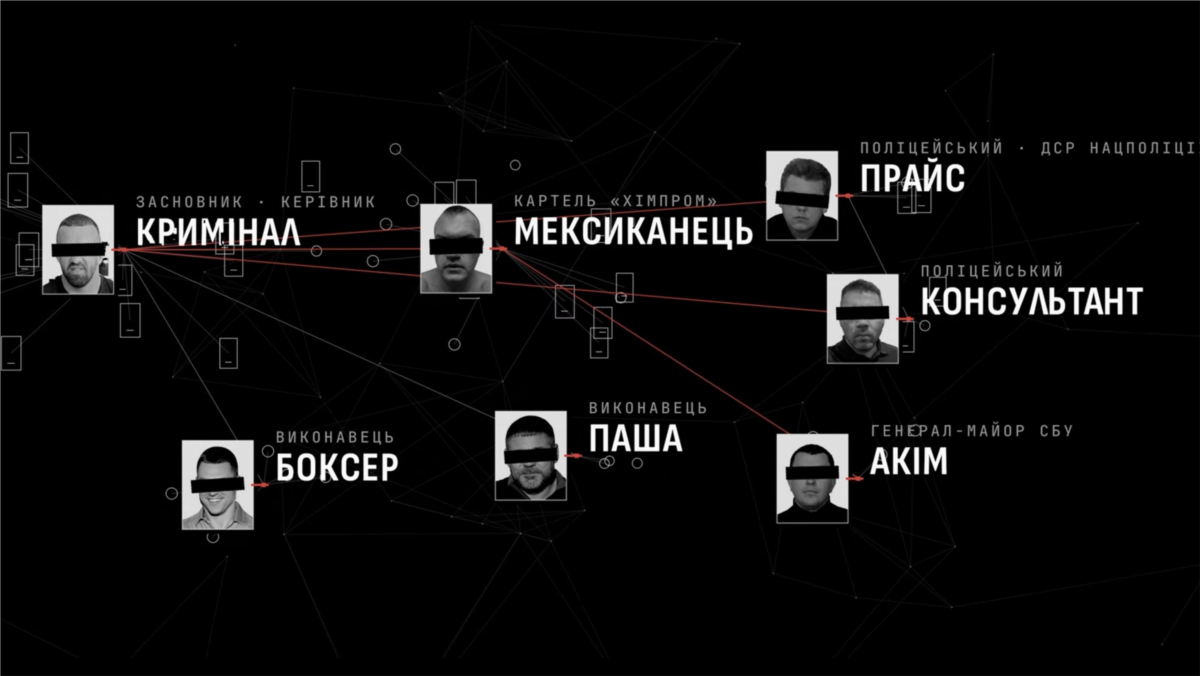
According to anti-corruption detectives, the network was organized by Andrii Osipov, a three-time convicted criminal known on wiretaps as Kryminal. Osipov enlisted serving senior figures across the Security Service of Ukraine, known as the SBU, the Prosecutor General's Office, and the National Police to provide official cover.
The criminal enterprise oversaw at least 52 fraudulent call centres, each paying a monthly protection fee of $7,000, according to reporting by investigative project Schemes. On 5 November, anti-corruption detectives issued formal notices of suspicion to five individuals implicated in the racket.
Bail rulings and detention orders
The High Anti-Corruption Court in Kyiv issued several detention orders following the arrests. Volodymyr Tsenov, the first deputy head of the National Police Strategic Investigations Department, who appeared on investigative recordings under the alias Price, was remanded on 5 November for 60 days with bail set at 15 million hryvnias. Officials confirmed that his bail was posted on 6 November.
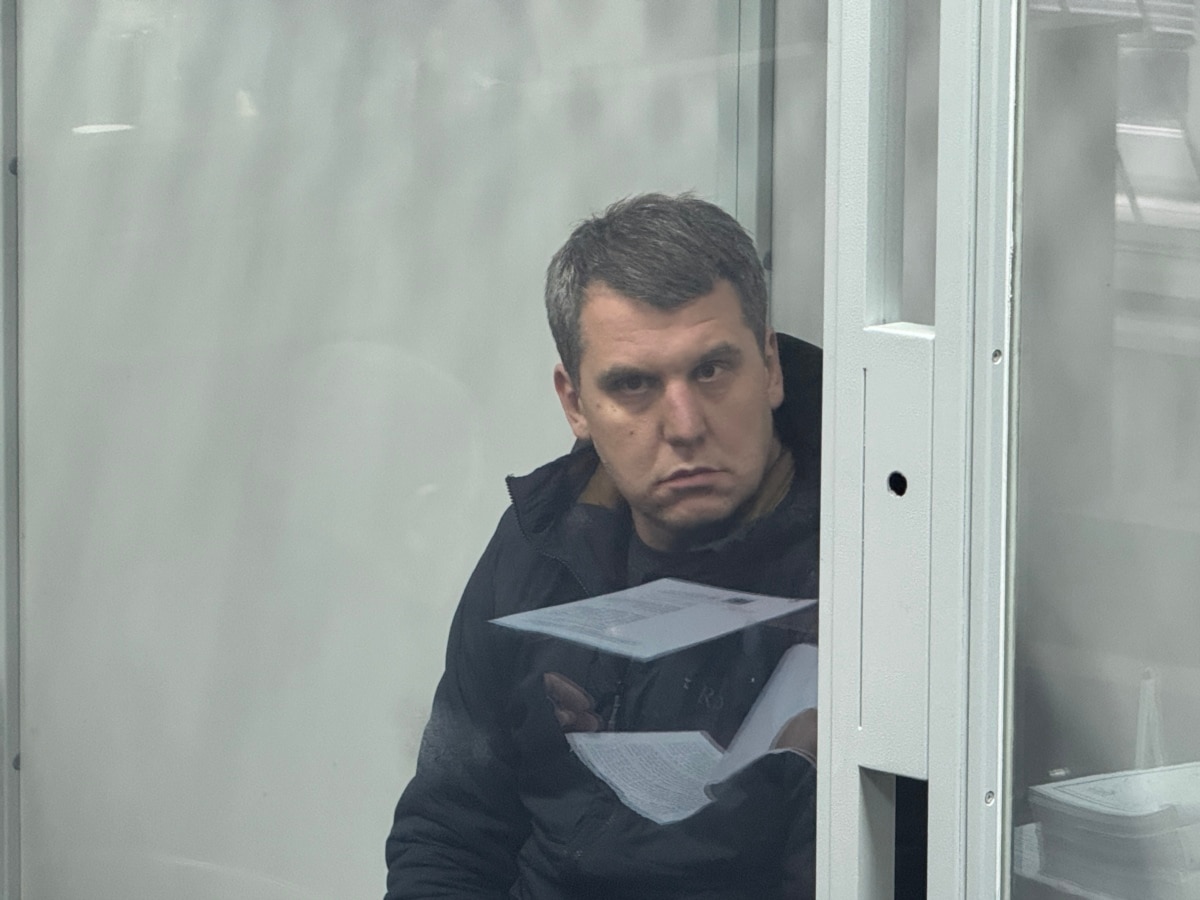
Vitalii Rybalka, nicknamed Boxer on surveillance video and accused of carrying out torture, was remanded in custody until 2 January 2027 without the option of bail. Rybalka dismissed the allegations as completely far-fetched, while his defence lawyer argued that prosecutors had failed to provide proper or admissible evidence.
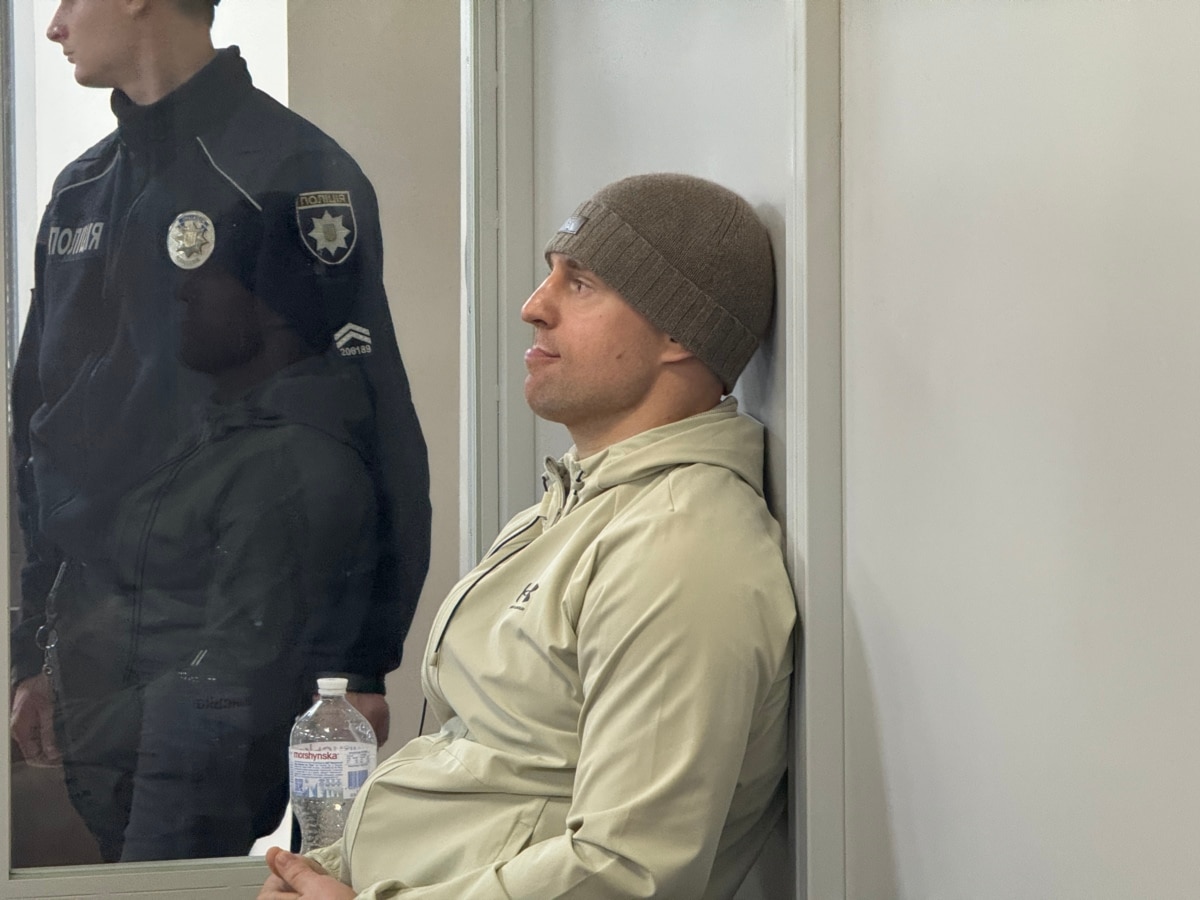
A matching no-bail detention order running until 2 January 2027 was issued on 6 November for Oleksandr Demianchuk, deputy head of criminal investigations for the Kyiv regional police, who was identified on wiretaps as Consultant. Specialised anti-corruption prosecutor Mykola Karas said a custody hearing for Osipov, who is already detained under a separate case, would take place the following week.
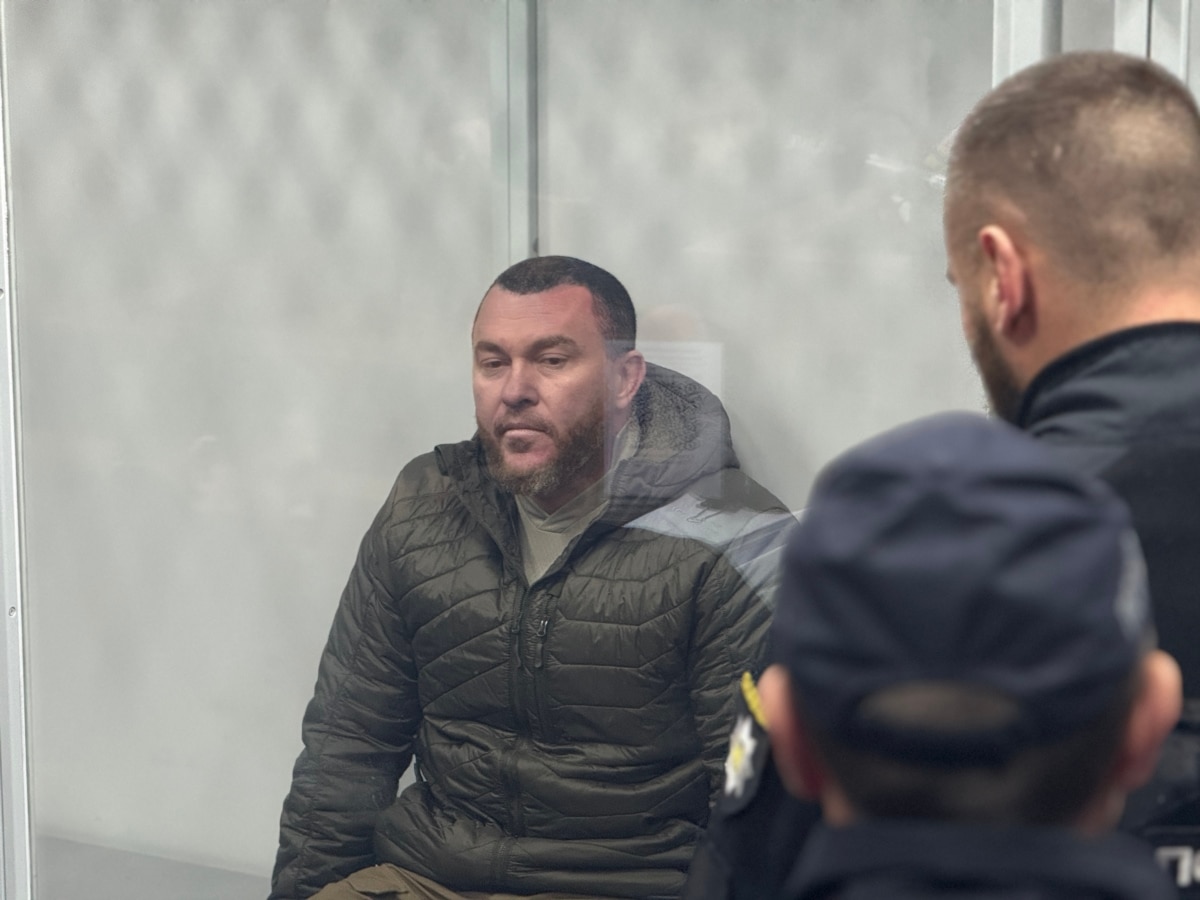
Late on 6 November, the court partially granted a prosecution request by remanding General Serhii Duka, known on recordings as Akim, into custody for 60 days until 2 January 2027. Duka was dismissed from his post as first deputy head of the SBU Department for the Protection of National Statehood on the eve of his hearing. The judge set his bail at 65 million hryvnias, below the 100 million hryvnias sought by prosecutors. Duka stated that he was ready to assist the inquiry and had no plans to flee Ukraine, but could not afford such a sum.
Dispute over closed court doors
The opening of Duka's custody hearing at the High Anti-Corruption Court was disrupted when court officials blocked journalists from entering the courtroom. Radio Liberty reporter Daryna Kolomiiets reported that officials initially claimed the room was overcrowded, before citing security reasons and an SBU letter warning of a potential terrorist attack received the previous day.
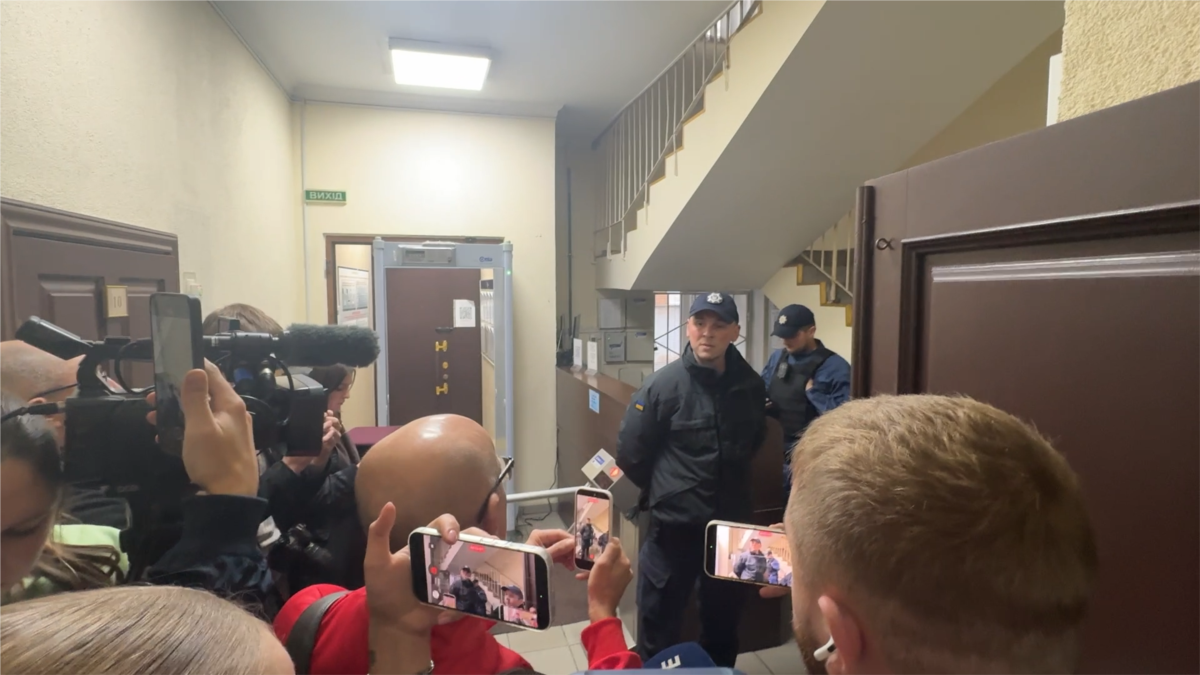
Lawyers defending Duka asked the judge to conduct proceedings behind closed doors to safeguard personal data belonging to the general and his relatives. Prosecutor Karas objected and demanded to review the SBU security warning, but the presiding judge refused. Karas then filed a formal motion to recuse the judge, arguing that the court was obstructing the criminal case. The recusal motion was dismissed, and reporters were subsequently allowed inside.
The hearing faced further procedural strain as the statutory 72-hour detention limit approached. Karas accused the defence team of deliberately dragging out the proceedings, while Duka claimed the delay occurred because the prosecutor failed to appear in court on time.
Lawmakers challenge agency leadership
The expanding scandal prompted sharp criticism from Ukrainian members of parliament speaking on Radio Liberty's Svoboda Live broadcast. Mariana Bezuhla, a lawmaker from the governing Servant of the People party, said the revelations were no surprise because deep-seated problems within the SBU have persisted for years across changing presidents and agency chiefs.
Bezuhla pointed to an unfinished legislative reform of the SBU that was intended to introduce competitive hiring, strict background checks, and the removal of non-security functions. She asserted that units handling economic affairs were merely moved into different departments rather than dissolved, adding that nobody had succeeded in breaking that internal culture. Bezuhla also said she had reported SBU connections to the Khimprom narcotics syndicate back in 2023, alleging that certain members of parliament might also be involved.
Andrii Levus, a lawmaker from European Solidarity, argued that the central concern was not intelligence services making use of criminals, but the subordination of the security service to the interests of a narcotics syndicate. Levus criticized the absence of civilian oversight and questioned the silence of President Volodymyr Zelenskyy, who directly oversees the SBU. When asked whether the president could have known about security service abuses, Levus stated that the president knew.
Levus also addressed wiretaps referencing an interior minister designated as K, suggesting that former minister Ihor Klymenko likely knew of the wider problems, though evidence was not yet sufficient to allege he received a bribe. Levus suggested that upcoming developments in Operation Carthage could reach the former interior minister. Both lawmakers urged anti-corruption authorities to pursue every guilty party and implement systemic structural reforms.
Former minister and officials respond
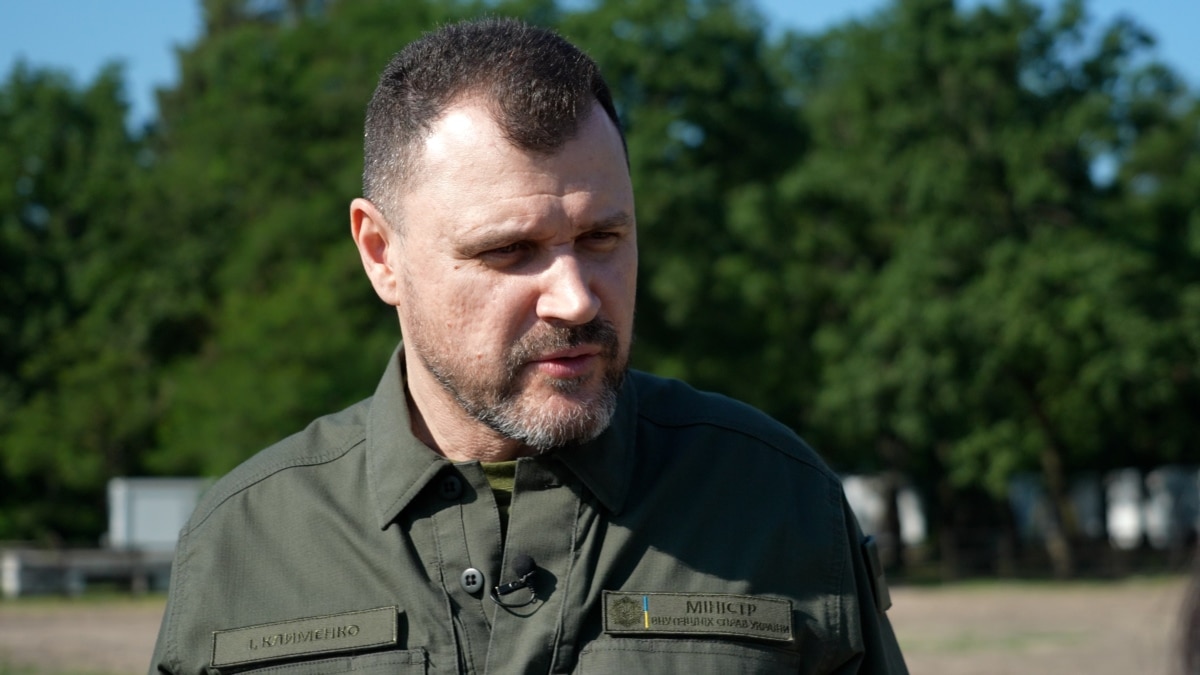
Ihor Klymenko, who led the Ministry of Internal Affairs between February 2023 and July 2026 and now serves as secretary of the National Security and Defence Council, addressed the recordings on 6 November. He stated that law enforcement officers had conducted major operations against U420 online stores selling narcotics.
When reporters asked whether anyone had approached him to cut a deal for suspects in the case, Klymenko stated that no one in his circle had raised the subject and that he had never held such discussions. Asked about his reaction upon learning his name appeared on the wiretaps, Klymenko remarked that he was honestly stunned.
Viktor Chumak, a former acting prosecutor general in 2020 and veteran lawmaker of the seventh and eighth parliaments, said the investigative material was adequate to file formal suspicions, though prosecutors must still validate it as evidence at trial. Chumak dismissed claims that detectives timed their actions to disrupt international diplomatic talks, calling such suggestions an attempt to undermine trust in anti-corruption agencies. He noted that the case revealed a system operating throughout the state apparatus, adding that political accountability must be enforced for security leaders regardless of whether legal guilt is established.
Institutional reactions across the government varied. The SBU said its acting head, Oleksandr Poklad, dismissed two senior officials named in the investigation and called on a wanted suspect known as the Mexican, identified as Yehor Burkin, to surrender. The National Police promised full cooperation with detectives, while the Prosecutor General's Office told reporters it had no details regarding an official referred to on wiretaps as Oscar, calling any commentary premature.
Former Prosecutor General Ruslan Kravchenko, who is reportedly living in Austria, called the operation a campaign of political revenge by anti-corruption authorities. Kravchenko claimed that the raids targeted SBU personnel who had previously conducted investigations against NABU director Semen Kryvonos and associates of SAPO chief Oleksandr Klymenko.
Kyrylo Budanov, the head of the Office of the President, wrote on 5 November that the law applied equally to everyone and that he expected an objective, independent inquiry. Presidential communications adviser Dmytro Lytvyn noted that SBU officials had already been dismissed and advised observers to wait for evidence to be presented in court. President Volodymyr Zelenskyy has not yet commented publicly on the latest detentions.
Origins of the wider investigation
The latest arrests mark the second major phase of Operation Carthage, which anti-corruption detectives first made public in early September. That initial phase identified Serhii Kropyva, a deputy department head in the Prosecutor General's Office, as the leader of a network taking bribes to shield illegal call centres. Following the disclosures, Kravchenko resigned as prosecutor general, and President Zelenskyy formally dismissed him on 15 September.
On 22 October, anti-corruption detectives issued a notice of suspicion to the former head of the relevant department inside the Prosecutor General's Office, calculating that the documented bribes exceeded 1 billion hryvnias. On 30 October, the High Anti-Corruption Court extended Kropyva's pre-trial detention while lowering his bail from 120 million to 93 million hryvnias.
All suspects in the case are presumed innocent until proven guilty by a court of law, and all detention orders remain subject to challenge before the Appeals Chamber of the High Anti-Corruption Court. Detectives from NABU and SAPO have stated that they are moving to issue suspicion notices to the remaining participants in the syndicate as the judicial proceedings advance.