


Ukraine has begun manufacturing drones that can select and strike targets without a human operator in control, a shift the war had been approaching for months, according to military analysts.
Russian forces have jammed the radiofrequency communications that drones traditionally rely on, effectively neutralizing radio-controlled platforms in the most contested areas of the front. That has pushed Ukrainian forces toward artificial intelligence systems that operate independently of any command link.
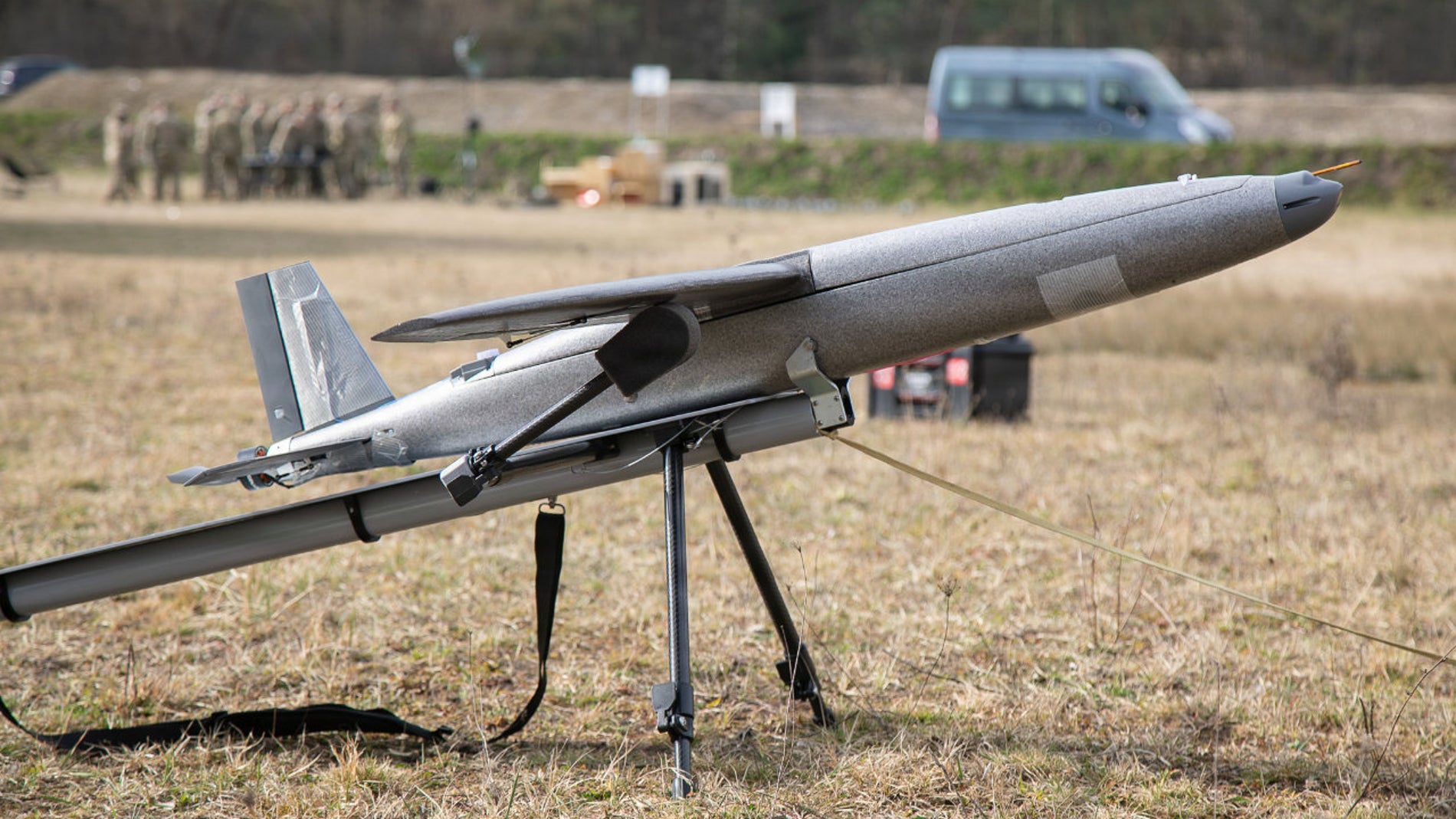
Unlike radio transmissions or satellite links such as Starlink, which face geographic limits or jamming, AI lets drones complete their missions even after losing contact with the operator. Veterans and military analysts compare the shift to the leap from muskets to rifles, saying precision no longer depends on a pilot's skill with the controls but on the aircraft's processing system. They say this could let a single fighter with basic computer training program and coordinate multiple drone units at once.
Low-cost, modular technology at the front line
The shift does not require large budgets. The Hornet attack drone, built to strike enemy logistics, costs less than $10,000. The Fourth Law's modular TFL-1 system offers another route, using cheap Raspberry Pi Zero-based boards costing less than 30 euros to give conventional FPV drones autonomous attack capability at minimal extra cost.
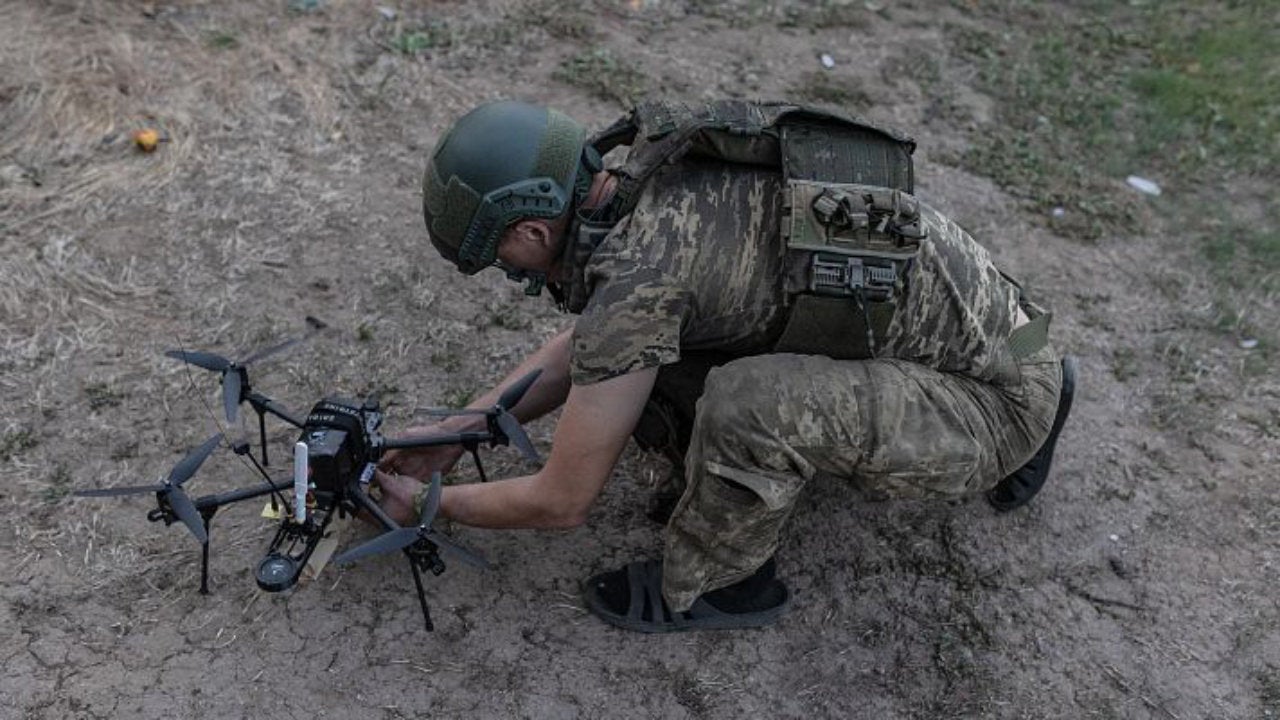
That small investment raises the mission success rate to 61%, and extends the effective strike range from 3 to 10 kilometers, by letting the drone carry out the final stretch of an attack fully autonomously, making electronic jamming irrelevant.
Countering camouflage with AI
Frontline operators say the drones can identify armored vehicles hidden in vegetation or under camouflage netting that would otherwise go unnoticed. Russian troops have started altering their camouflage patterns to fool the computer vision algorithms, forcing developers to constantly retrain their models with new visual data gathered on the battlefield.
Specialists say the main challenge now is not developing new algorithms but standardizing them and achieving large-scale adoption at the front, overcoming the distrust left by early commercial autonomous systems that failed in combat. They say the real transformation will come from scalable autonomy covering takeoff, navigation, detection and the final attack, and that these platforms need to be tested against thousands of complex interference and camouflage scenarios to prove effective.


