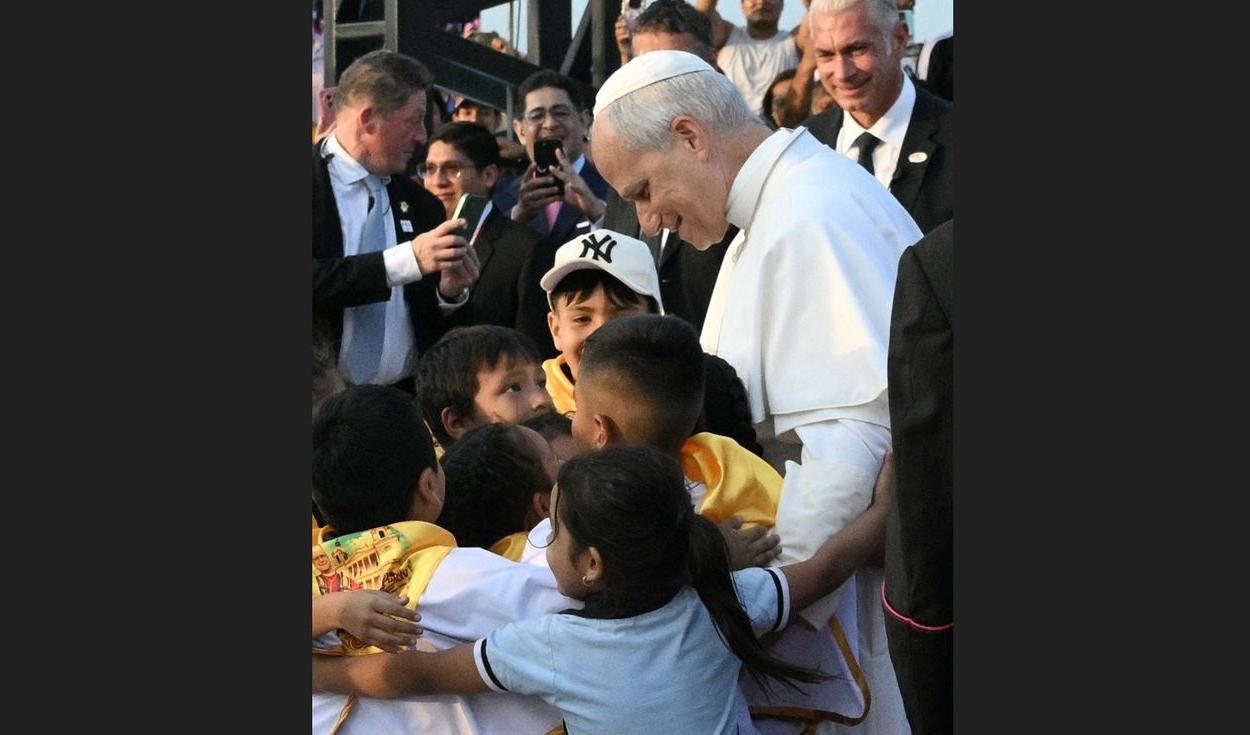
Peruvian singer Tania Libertad sang Franz Schubert's "Ave Maria" alongside Pope Leo XIV in Zaña, a small town in Peru's Chiclayo region, in a moment witnessed firsthand by Peruvian writer Eduardo González Viaña, who described the scene in a column published Thursday.
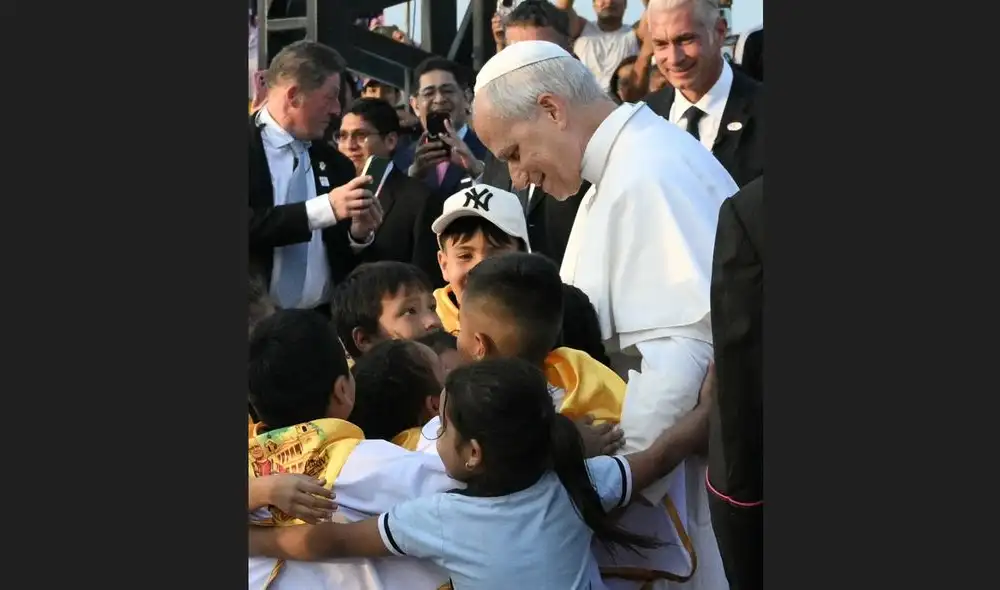
González Viaña wrote that he watched and listened as Libertad sang next to the pope, her notes rising, in his telling, beyond history and the first clouds of the northern Peruvian summer. He described the music, the farmworkers present, Libertad and Leo XIV as part of what he called the great miracle people had been waiting for.
Pope Leo XIV's ties to Zaña
Leo XIV, born Robert Francis Prevost in Chicago, became pope in 2025. He served as bishop of Chiclayo, a city in Peru's Lambayeque region, from 2015 until he was called to Rome. According to González Viaña, Prevost often visited Zaña during those years. There he learned to eat espesado and chinguirito, two traditional dishes of Peru's north coast, along with ceviche de toyo, made with shark, and became a godparent, or compadre, to several families in the area.
A stage shared since 2018
González Viaña's connection to Libertad dates back to September 2018, when the two shared a stage at the Turin International Book Fair in Italy. He was presenting his book "Vallejo agli Inferi," rendered in Spanish as "Vallejo en los infiernos," about the Peruvian poet César Vallejo. Libertad, a Peruvian-born singer who has lived for decades in Mexico and is known for her interpretations of Latin American folk and Afro-Peruvian music, had been invited by the book's publisher, Gorée, to travel from Mexico to sing at the presentation.
She performed a musical arrangement of Vallejo's poem "Dios" ("God") and asked González Viaña to recite it alongside her. He wrote that about ten thousand people, most of them Italian, attended, and that Libertad's voice allowed the audience to feel and understand Vallejo, and perhaps God, even though the poem was recited in Spanish. Vallejo, who died in Paris in 1938, is considered one of the most influential Spanish-language poets of the 20th century, known for blending avant-garde style with themes of suffering and faith.
Tania Libertad's rise to fame
According to González Viaña, Peruvians have followed Libertad's career since her childhood in Chiclayo, when residents first heard her sing on Radio Delcar. She recorded her first album at age 9, and by 11 her face had appeared on television, captivating audiences with her voice. Her first major hit, he recalled, was "La Contamanina."
From the 1970s onward, González Viaña wrote, her voice resonated alongside those of Víctor Jara, Violeta Parra, Mercedes Sosa and Atahualpa Yupanqui, Latin American folk singers known for their socially engaged music.
The history of Zaña
Zaña rose in the 17th century as a resplendent city of churches, convents and palaces that earned it the nickname "the little Seville," according to the column. It became one of the main points of arrival for enslaved people brought from Africa to work the haciendas of Peru's north coast.
Toribio de Mogrovejo, the archbishop of Lima, fell ill in the nearby town of Pacasmayo during a pastoral visit and traveled to Zaña, where he died in March 1606. He left a will granting his personal belongings to his servants and the rest of his property to the poor. He was later canonized as a saint.
In the early 18th century, Zaña was the site of a slave rebellion that was put down swiftly and violently, according to González Viaña, who wrote that the rebellion's leaders were dismembered and the killing of the rest was widespread.
Despite this, the town remained a rival to Lima as the center of Peru's vast northern valley and held the largest concentration of enslaved people in the region. At one point, it was considered as a possible capital of Peru. A climate disaster eventually caused its decline, though Afro-Peruvian legend holds that the destruction was the revenge of a black dragon, hatched from an egg smuggled from Africa in the ear of an enslaved woman and buried in the city, which brought chaos and reshaped the landscape.
By the time Libertad was a child, Zaña had become little more than a cluster of colonial ruins supplying much of the workforce for the haciendas of northern Peru, González Viaña wrote.
Test yourself
Who performed alongside Pope Leo XIV in the Peruvian town of Zaña?
What piece did Tania Libertad sing during the event in Zaña?
Where did columnist Eduardo González Viaña first share a stage with Tania Libertad, in 2018?
Where it happened
Zaña, Peru