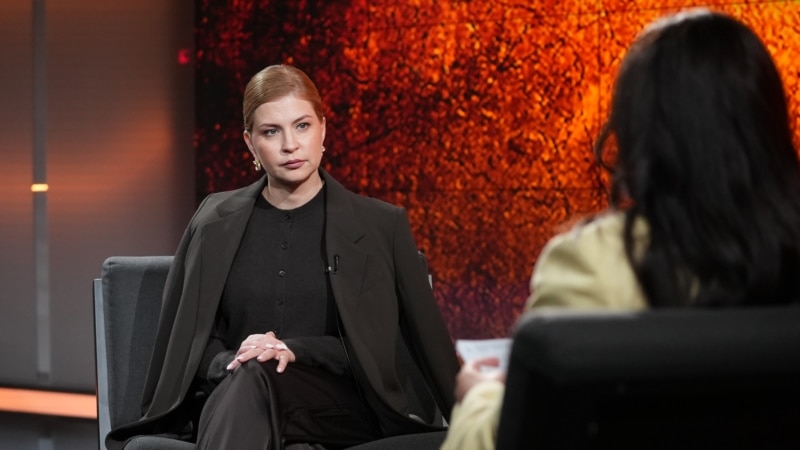
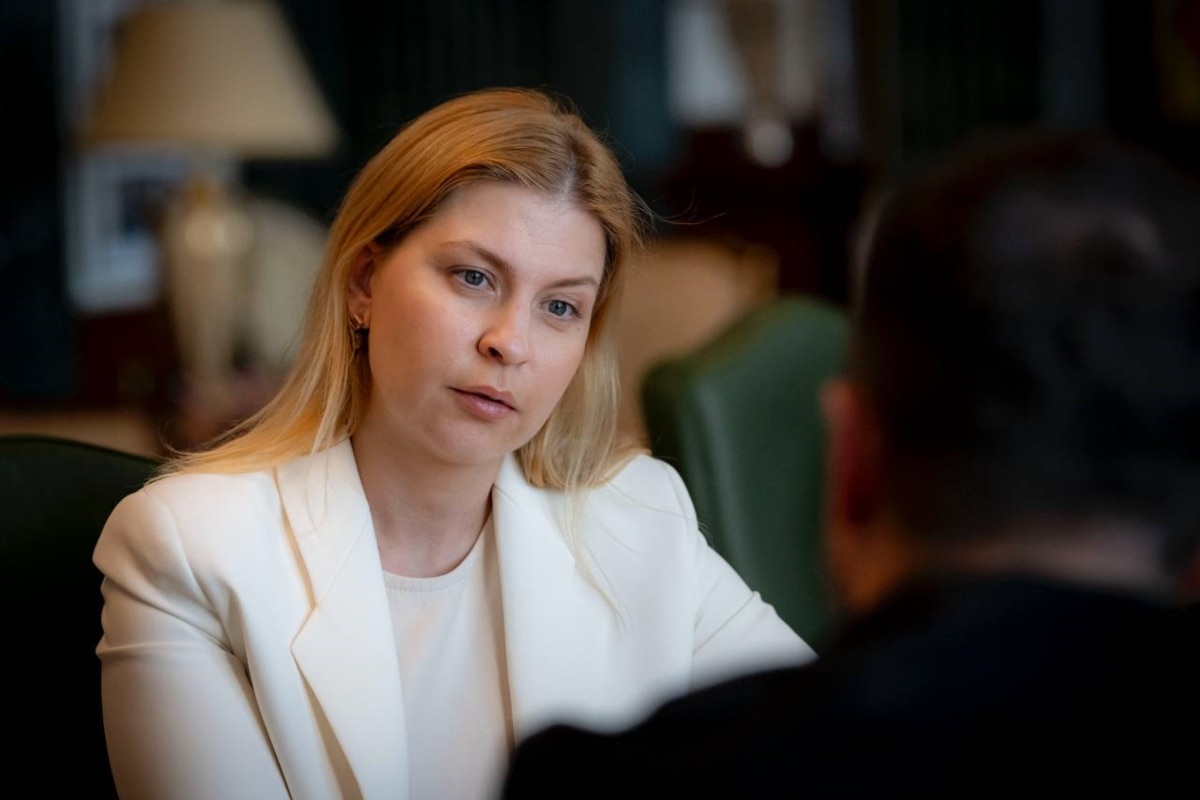
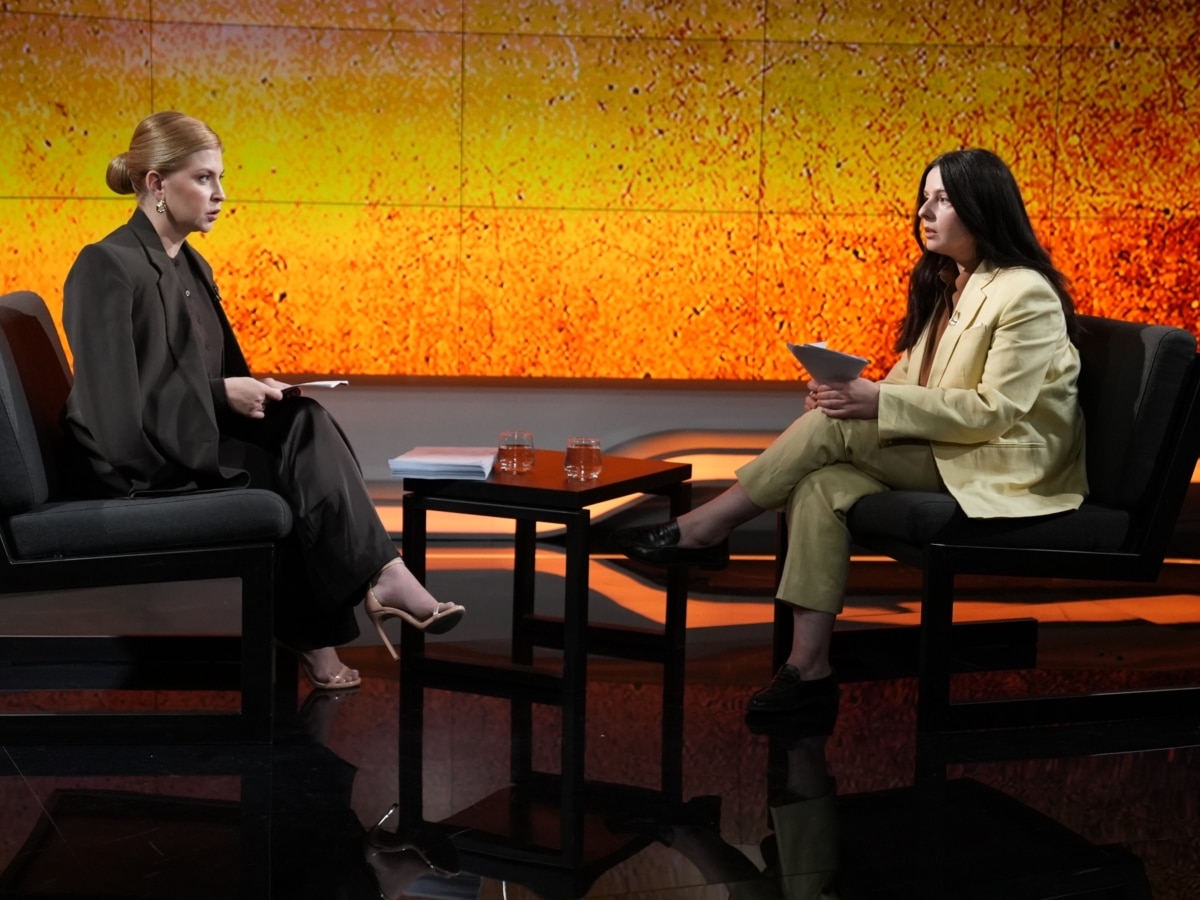
Olha Stefanishyna resigned as Ukraine's ambassador to the United States in early August 2026, and within days appeared before Kyiv's High Anti-Corruption Court to face a preventive measure hearing over a suspicion of illicit enrichment. In an interview with Radio Svoboda, she said the case does not weigh on her and that she is prepared to prove her innocence in court.
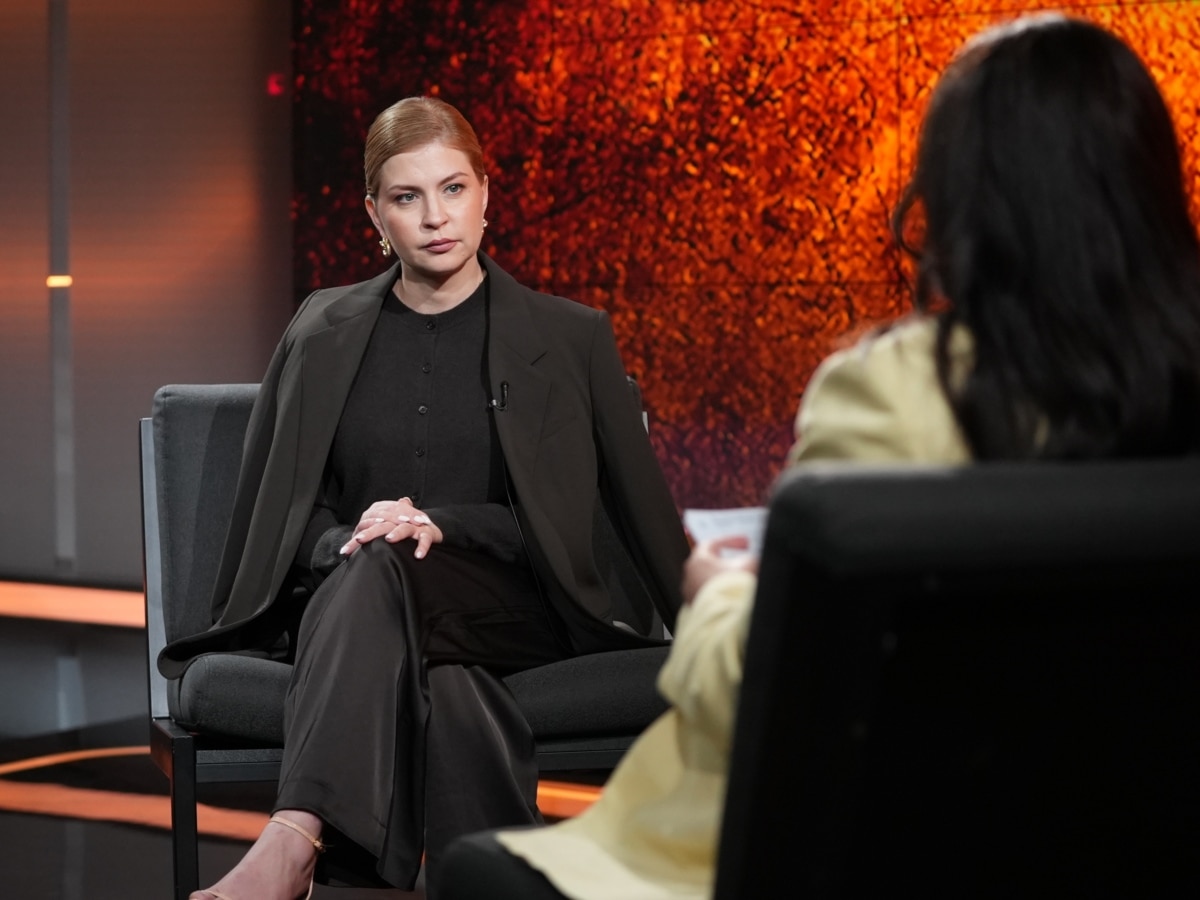
Stefanishyna served as Ukraine's deputy prime minister from 2020 to 2025, as justice minister from 2024 to 2025, and then as ambassador to Washington from August 2025 until August 2026, when President Volodymyr Zelensky accepted her resignation. She said President Zelensky's decree was signed on August 3, and two days later, on August 5, she was handed the suspicion notice and appeared in court for a preventive measure hearing.
Why she resigned
Stefanishyna said her decision was driven primarily by personal reasons, including ongoing investigative activity involving her parents and people close to her that required her attention. She said serving as ambassador demanded total commitment and that she had to choose between continuing on the American track or attending to her family. She said she knew a summons for the suspicion notice was coming before she resigned, but that this was not the main reason for her departure.
Reading Trump's approach to the war
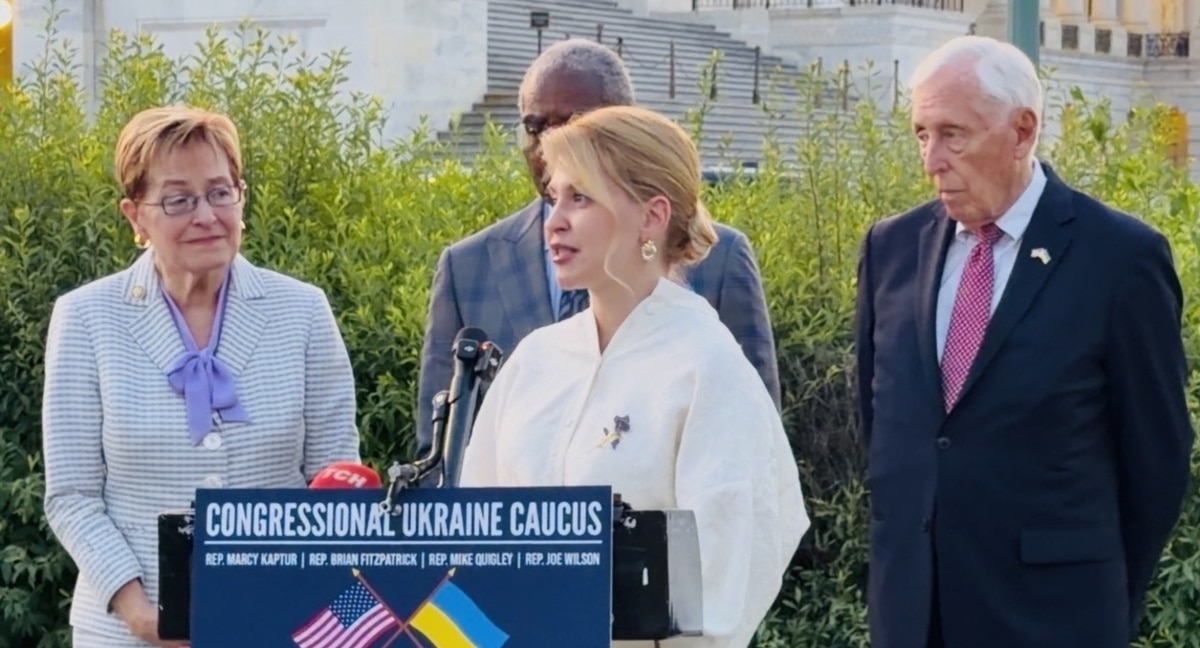
Asked whether a year in Washington had clarified President Donald Trump's strategy on Ukraine, Stefanishyna said Trump embodies a transactional, capitalist approach common in the United States. She said she built relationships that could function even as the president's position shifted, working on a two-week cycle in which agreements either got implemented or had to be renegotiated. She said she cultivated contacts with key senators and congressmen, including some without a direct Ukraine focus but with influence over Trump, and had built personal contact with about ten key people in each relevant institution by the time she left.
She said Trump views Russia as a check on China's rise and believes a weaker Russia strengthens Beijing, which is why the White House and State Department have pursued closer ties with Moscow. She said attempts at a strategic dialogue between Washington and Russia had failed completely, but that Trump remains determined to end the war.
Kushner and Witkoff's visit to Kyiv
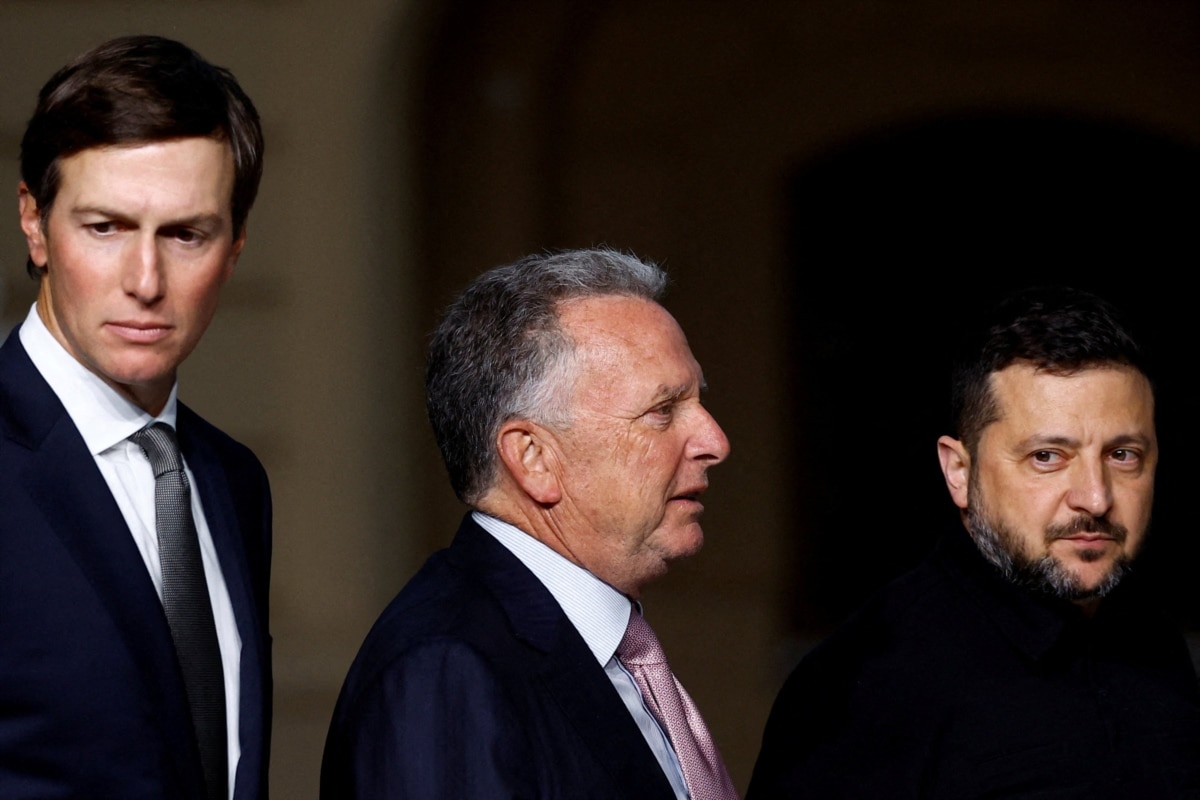
The interview took place shortly after Trump's son-in-law Jared Kushner and special envoy Steve Witkoff visited Kyiv on September 6, 2026, their first trip there after multiple visits to Moscow. Stefanishyna said the most significant element was simply that the visit happened, and noted that organizing it required involving the State Department, the Treasury and the White House National Security Council for security reasons, something not required for their trips to Moscow.
She contrasted the visit with one by then-Army Secretary Daniel Driscoll in November 2025, who brought a 28-point plan and warned that Ukraine would not survive the winter and that Russia would seize the Donbas. She said the same narrative persisted after the latest Moscow talks, but that Ukraine had since stabilized the front line and pushed the war onto Russian territory with long-range strikes. She said Russian President Vladimir Putin had called Trump asking him to press Zelensky not to strike Moscow and Red Square around May 9, which she cited as evidence Ukraine now holds real leverage.
Chevron, Exxon and the Novorossiysk terminal
Stefanishyna said she was once summoned urgently to the White House over strikes affecting vessels of the American oil companies Chevron and Exxon and infrastructure at Russia's Novorossiysk port, which is economically important to Kazakhstan. She said she was told the strikes, whatever their military rationale, were harming US economic interests, and was asked to help find a mechanism to prevent further incidents. She said she developed an arrangement now in place that allows sanctions to reach other parts of Russia's economy without hitting Chevron and Exxon vessels.
The illicit enrichment case
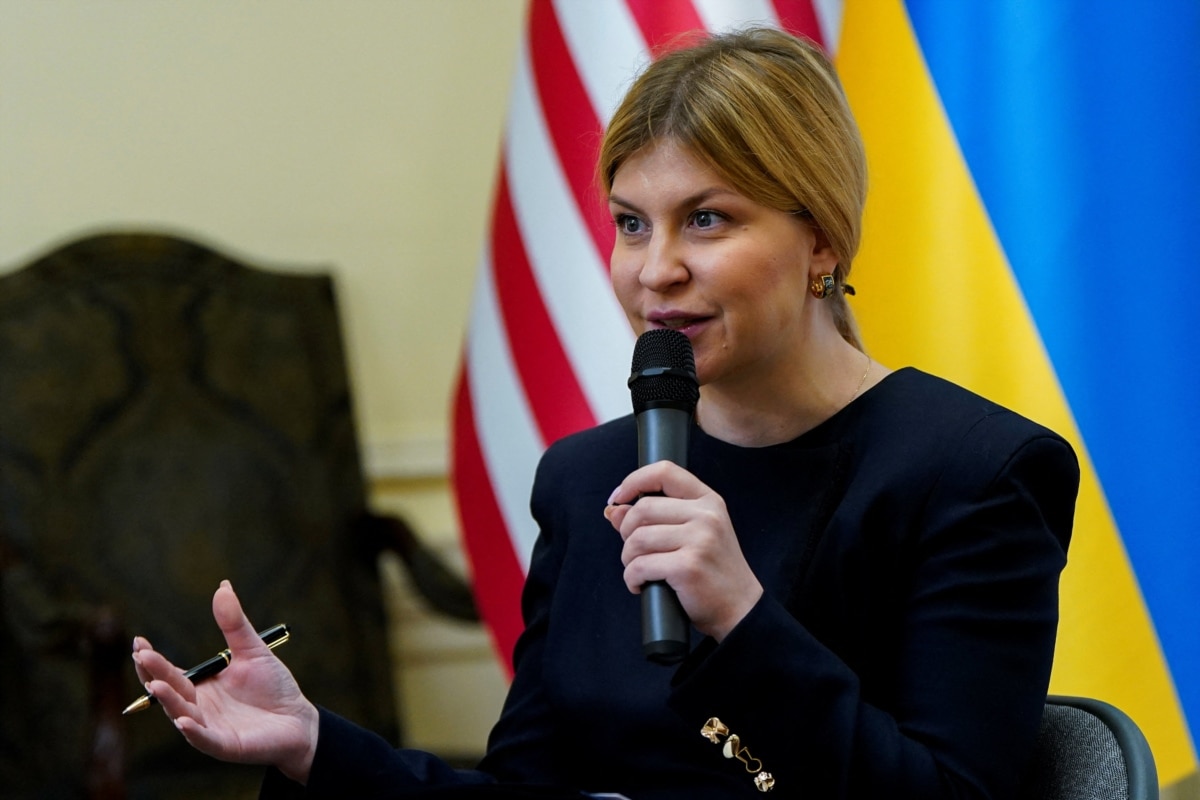
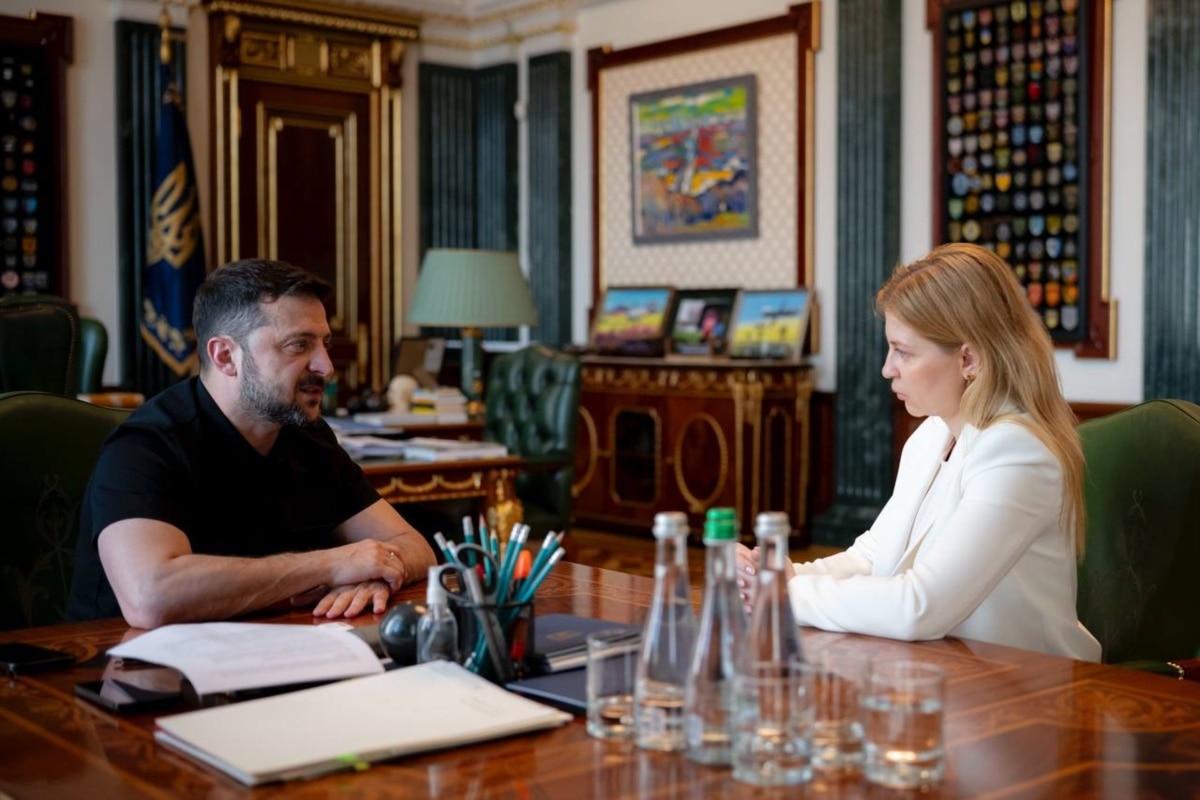
The National Anti-Corruption Bureau (NABU) and the Specialized Anti-Corruption Prosecutor's Office (SAPO) suspect Stefanishyna of illicit enrichment and two counts of failing to declare assets. Investigators allege that in 2024 and 2025 she acquired two apartments in the Faina Town residential complex in Kyiv through a friend, Tetiana Mazurenko, and that the apartments were not listed in her asset declaration. Stefanishyna denied owning the apartments or asking anyone to buy them on her behalf, and objected to Mazurenko, a private individual, being drawn into the case.
Prosecutors also allege she negotiated to buy a house near Kyiv for $550,000, with $250,000 to be paid in cash and the remainder covered by transferring the two Faina Town apartments to the seller, a deal that fell through once she became ambassador. Stefanishyna said the case does not involve corruption, use of her office or budget funds, and centers instead on the timing of her asset declarations.
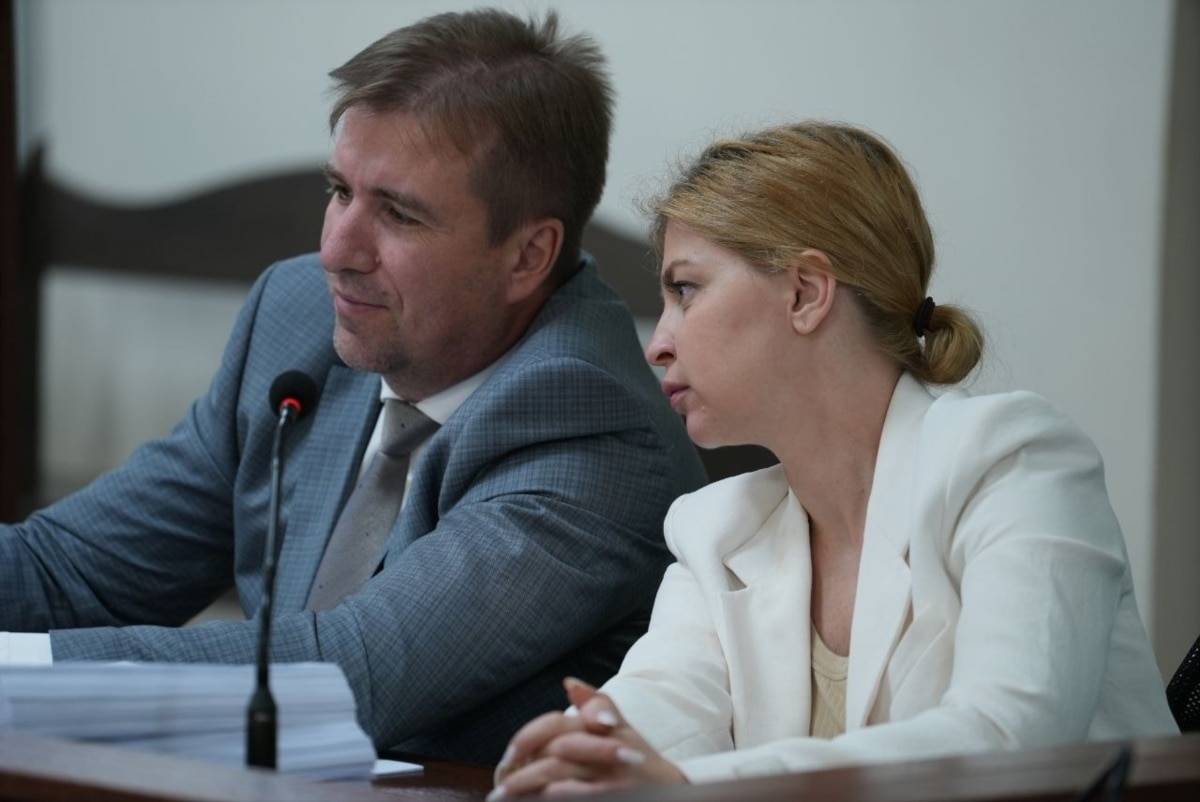
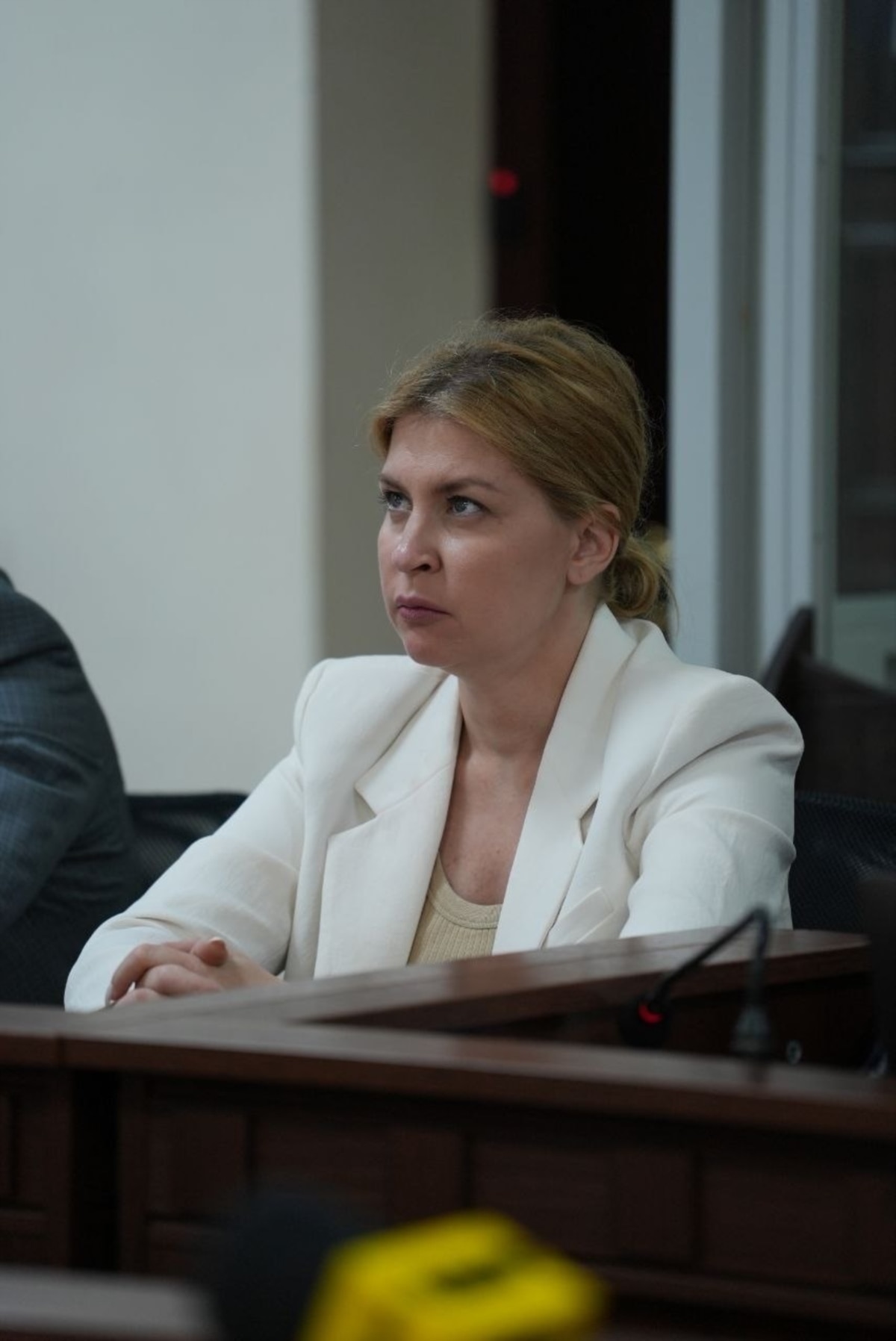
Separately, SAPO says that from January to April 2024 she rented an apartment on Yaroslaviv Val, a expensive central Kyiv street, for $1,300 a month without declaring it, and later lived in her mother's apartment in the Lvivska Ploshcha complex, also undeclared. Stefanishyna said Ukrainian law only requires declaring use of property after 180 days, and said she lived in each apartment for less than that threshold. Her mother had bought the three-room, 100-square-metre Lvivska Ploshcha apartment in October 2022 at close to four times below market price, which Stefanishyna has previously attributed to an earlier investment by her mother. Investigators also cite her use of a Mercedes-Benz registered to her assistant.
Prosecutors say she officially earned about 3.7 million hryvnias between early 2024 and mid-2025 but spent roughly 4.2 million hryvnias from her bank accounts over the same period, and put the total alleged illicit enrichment at more than 14 million hryvnias. Stefanishyna said her defense team disputes the prosecution's calculations, noting discrepancies between figures cited by the prosecutor and by the case's financial expert, and said some funds reflected child support payments from her former husband. She said she does not believe she held any undeclared or illegally obtained funds and that the matter should be resolved in court.
The older Lukash case
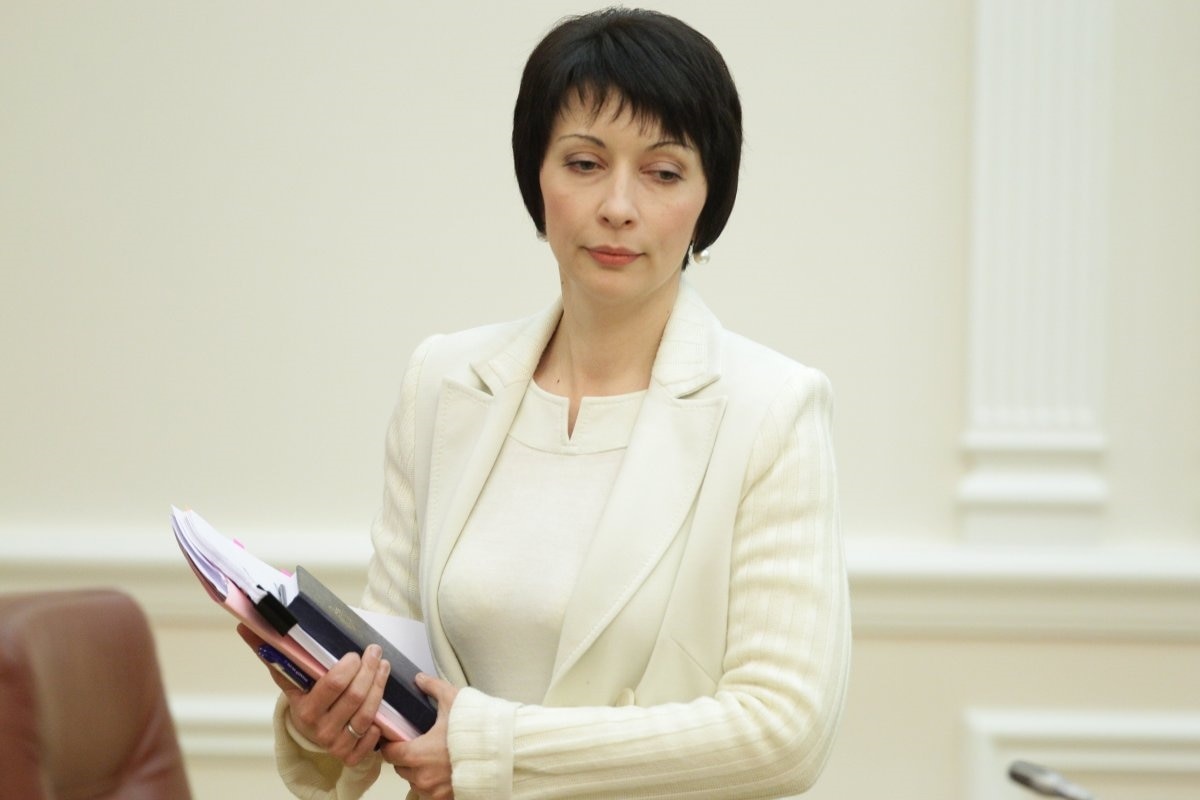
Stefanishyna has separately carried suspect status since 2014 in the so-called Lukash case, alongside former Justice Minister Olena Lukash, over an alleged embezzlement of more than 2 million hryvnias earmarked for adapting Ukrainian law to European Union standards. Stefanishyna, who signed tender-related documents at the time, said the case has followed her since she was 29 and has been examined by ten different chief prosecutors without additional findings against Lukash, who has been under sanctions for years over the case.
NAZK appointment and her salary
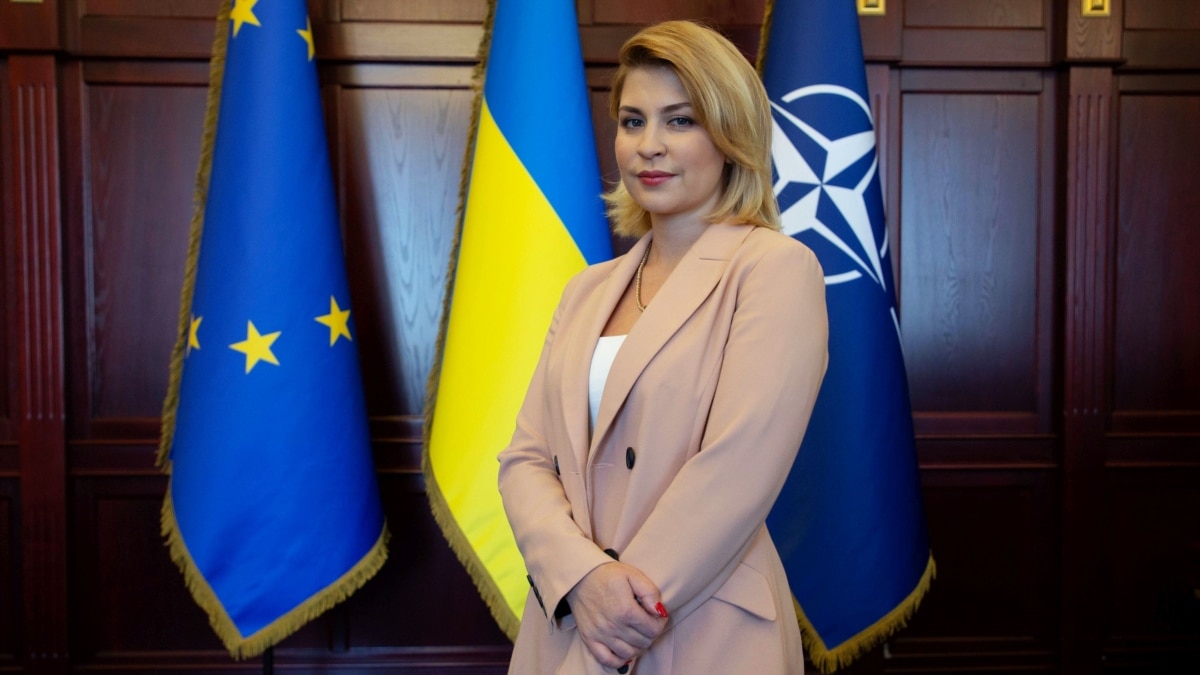
Stefanishyna is also accused of using her position to pressure the commission selecting the head of the National Agency for Corruption Prevention (NAZK). She said she only monitored the competitions, as civil society groups and lawmakers also did, and that the process ultimately produced independent decisions confirmed by the government and international experts. She said Ukraine's anti-corruption institutions are now fully functional with confirmed leadership as of September 8, 2026.
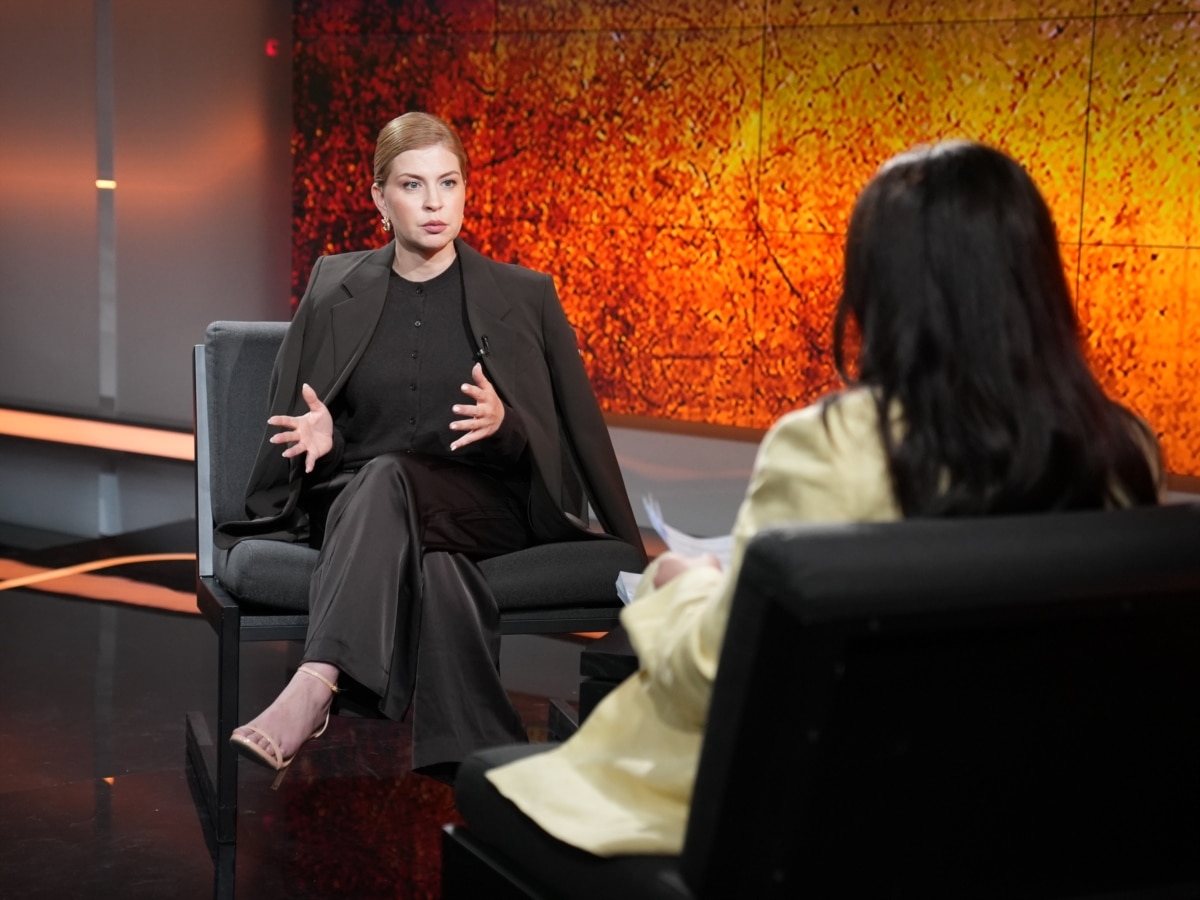
Asked about compensation, Stefanishyna said her salary as a minister was about 47,000 hryvnias and denied ever receiving payments in envelopes. She said she has no advisory or supervisory board roles now that she has left government and public service, and said she can support herself through officially declared private-sector earnings.
The Iryna Mudra case
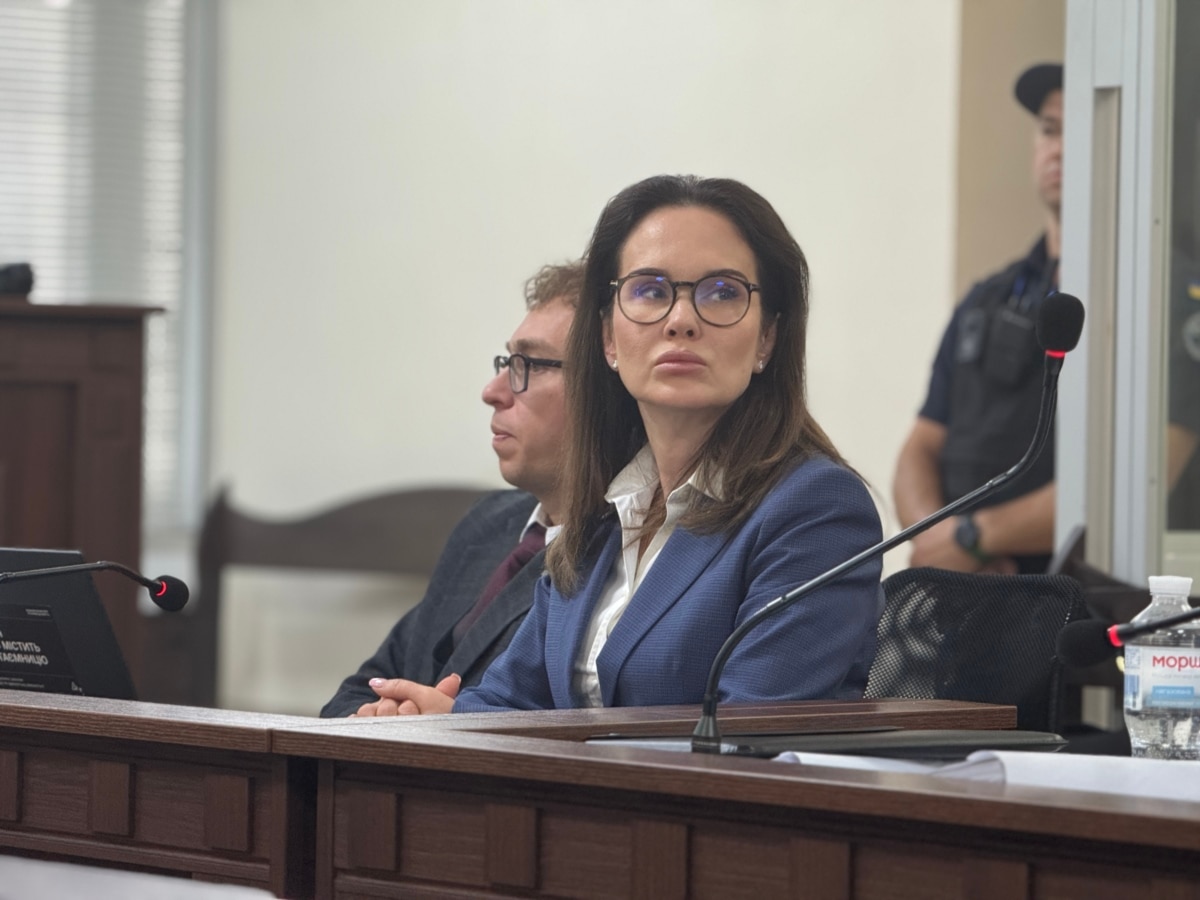
Stefanishyna also addressed leaked recordings involving Iryna Mudra, deputy head of the Presidential Office, who is in pretrial detention over an alleged money-laundering and property-raiding scheme. Stefanishyna said the deputy justice minister heard on the recordings refusing to carry out an unlawful order was someone she herself had appointed while serving as justice minister, and said she had introduced detailed document-verification procedures during her tenure to counter fraudulent notaries and registrars.