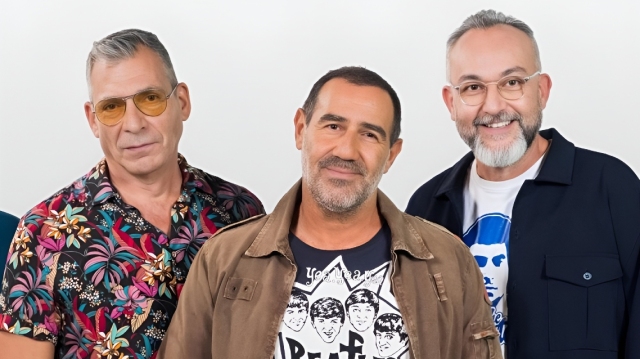


Greek actor and director Stamatis Fasoulis is marking 50 years on stage with The Theatre or Your Life, a personal monologue at the Karolos Koun Art Theatre Basement in Athens. Speaking to journalist Dimitra Zarkou for Newsbeast in an interview photographed by Ismini Vlassopoulou just days before the premiere, Fasoulis said he never believed he was short while on stage despite feeling timid about his appearance in daily life.
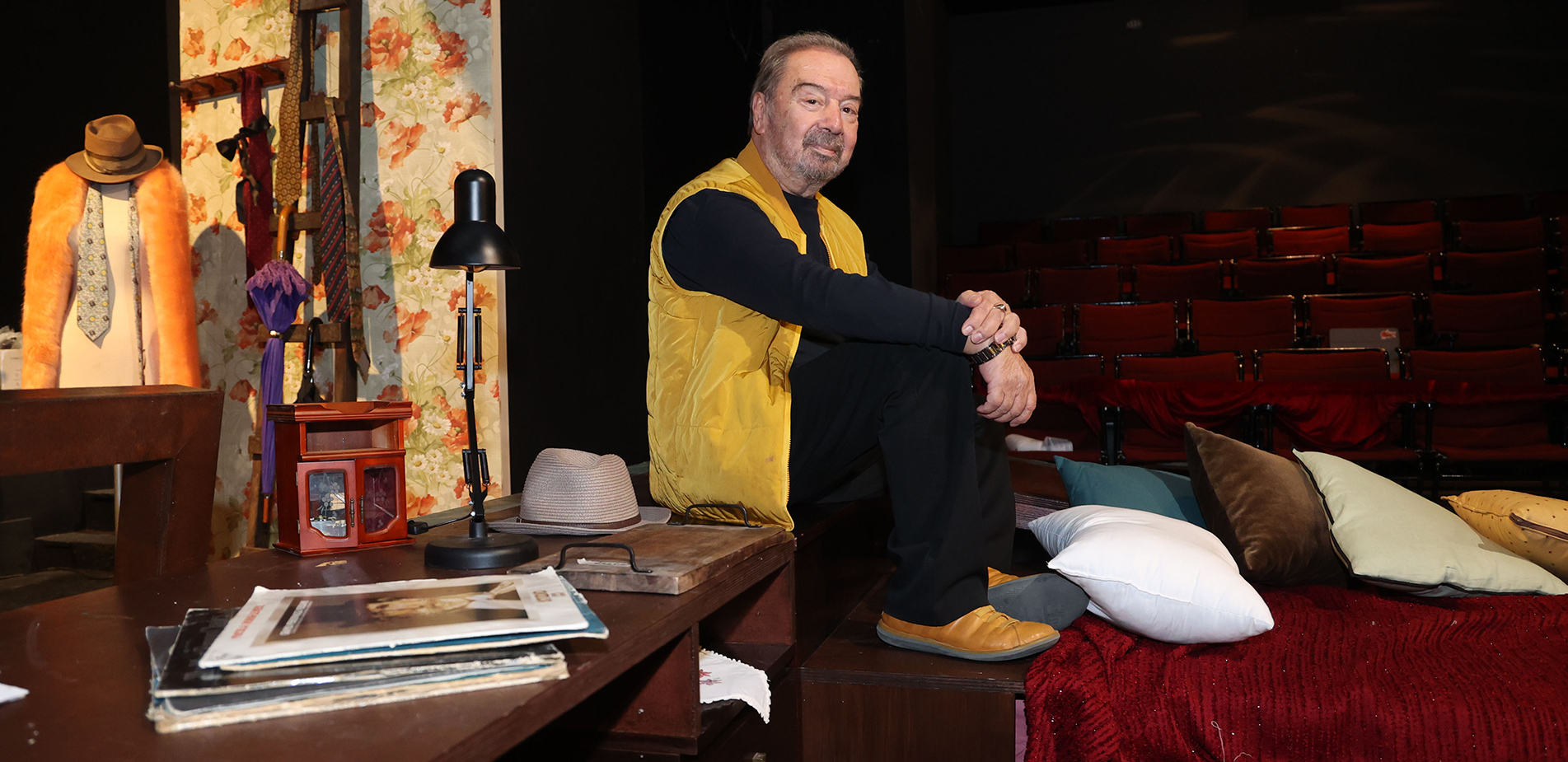
The production, which audiences embraced warmly from its opening at the historic venue on Pesmazoglou Street, traces half a century of Greek theatre through Fasoulis's own career. His solo performance moves from his childhood on the island of Salamina and his first encounter with the musical theatre of singer Sofia Vembo to his student years at the National Theatre Drama School and Karolos Koun's underground stage.
The monologue also recounts the collective explosion of the Free Theatre and Free Stage revues during the Metapolitefsi, the political transition that followed the fall of Greece's military junta in 1974. Along the way, Fasoulis revisits his biggest hits, unexpected verbal slips on stage, painful flops and the celebrated figures who shaped his path, including Dimitris Horn, Elli Lambeti, Melina Mercouri, Aliki Vougiouklaki, Manos Hadjidakis, Yannis Tsarouchis and Marinella.
Stage tension and self-image
Watching Fasoulis check lights, sound and sets during rehearsals, Zarkou remarked on his half-century in the profession, prompting him to laugh that calling it 50 years sounded much better. Asked how he handles stress, Fasoulis said he has not allowed himself to feel anxiety for years because anxiety makes a person passive and helpless. Instead, he relies on creative tension and intense concentration, explaining that tension makes an actor active and ready to strive.
Fasoulis recalled only one or two occasions when sudden anxiety struck him on stage after he spotted someone in the audience and worried about how that person would judge him. Whether performing alone or with a large cast makes no difference to his preparation. He treats a monologue as if it were a play populated by many characters so the audience never feels he is alone, adding that his new show actively seeks and provokes intimacy with the room.
Rather than passing quickly, his five decades in theatre sometimes feel heavy on his shoulders and at other times serve as a springboard for new work. He rejected the idea of a midlife restart at 50 or 60, saying he only fears time as physical or mental decay, such as losing his breath or the ability to run. While he feels exposed walking through a restaurant to find a table and notices his short stature in everyday life, the stage erases those insecurities because being exposed is the entire purpose of acting.
From Kypseli youth troupe to Epidaurus debut
Fasoulis said he never aspired to become an actor as a child because he believed he already was one, telling his mother so at three and a half years old and putting his brother beside him to stage plays at home. By ages 15 and 16, he was leading a troupe of friends at the Institute of American Studies in the Athens district of Kypseli, ambitiously staging a wide repertoire ranging from Tennessee Williams to Eugene Ionesco.
Once he entered the profession, however, he realised how demanding the craft was and spent 15 years trying before he truly felt like an actor. He never considered himself consecrated solely to the stage because he was equally committed to living. During two periods around ages 35 and 36, he sacrificed theatre for his personal life, a choice he remains glad he made even if he feels it is too late to take another path now.
His professional debut came at the Ancient Theatre of Epidaurus while he was studying at the National Theatre, premiering one day before his third-year examination results were released. He played Eumelus, the young son with a small role that included a demanding monologue, in Euripides's tragedy Alcestis alongside Eleni Hatziargyri and Stelios Vokovits. On that first day, awe outweighed stage fright, and rather than nursing grand dreams, he focused only on what he would act in or direct the following year.
Mentors, young actors and poetic truth
Even after half a century, Fasoulis often feels like a student. Co-founding the Dimitris Horn Award in 2000 required him to watch emerging performers, and he said he has frequently been impressed and taught by young Greek actors whose capabilities exceed the productions given to them. He rejected claims that Greek theatre is treated unfairly or that Athens has too many shows, arguing that having 300 to 400 productions is no different from having many cafes, since it employs more people and gives audiences wider choices.
Fasoulis credited actor Dimitris Horn, in whose company he performed, as a decisive influence on his life alongside tragedians Katina Paxinou and Alexis Minotis. Equally formative was Karolos Koun's Art Theatre, where Fasoulis watched every single production from the age of 13 until 1975, when he began working regularly, making the Basement venue a decisive choice for his current monologue.
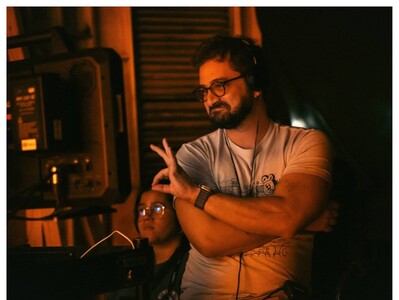
The show was only the second project in his career initiated by a producer. When producer Miltos proposed the idea, Fasoulis asked for time to think because he feared sounding either narcissistic or self-pitying. He explained that raw truth on stage is like watching a grieving mother weep at a funeral, which moves onlookers without offering poetry, whereas applying artistic makeup to the soul turns grief into a broader concept that shakes spectators into active identification.
Baring his soul on stage is redemptive when it succeeds and soul-destroying when it fails. He first achieved that connection during a brief nostalgic moment in a 1973 revue, when director Lakis Papastathis came backstage afterward to ask about the powerful moment that had just reached the audience below. Fasoulis compared that rare feeling to romantic love that technique can later reproduce without the same truth, adding that his new play avoids the pain of nostalgia by resurrecting the past in the present.
Living through crises and staging the production
Told that he bridges different eras across two centuries, Fasoulis joked that he would rather be 25 and bridge nothing at all. He noted that his generation lost its best youth years, from adolescence to age 25, to curfews, deaths and island torture camps under the dictatorship, followed by an extreme transition, the 2012 financial crash and the pandemic. Having collaborated with 800 actors, he never felt wronged and said everyone helped him rise, though he admitted he treated two or three people unfairly while helping many young actors whose progress moves him deeply even when occasional disappointments occur.
Fasoulis credits his youthful spirit to theatre's extroversion and to working across generations, noting that the five people in his current company are all of different ages. Longtime acquaintance Stamatis Kraounakis, whom Fasoulis called Greece's last true theatrical composer in the tradition of Manos Hadjidakis's scores for Koun's productions up to The Birds and the song Paper Moon for A Streetcar Named Desire, wrote two songs and two themes after reading just three or four lines. Outside rehearsals, Fasoulis shuts the door on his profession at home, never discusses theatre privately and keeps mostly non-theatrical friends, naming only Anna Panagiotopoulou and Eleni Kourkoula as close friends from the stage.
Fasoulis chose the title The Theatre or Your Life himself after wondering which one defined the other, concluding that theatre is his life and his life is theatre. Written, directed and performed by Fasoulis, the production features dramaturgy, video and assistant direction by Aimilia Karantzouli, sets by Zoi Molyvda-Fameli assisted by Giannis Tsouchlos, costumes by Claire Bracewell assisted by Eva Kourelia, lighting by Sakis Birbilis and sound design by Antonis Papakonstantinou. Live music is played on stage by orchestrator Panagiotis Tsevas on accordion, Dimitris Kiklis on piano and Myrsini Achalinotopoulou on cello, with performances running Wednesdays at 20:00, Thursdays through Saturdays at 21:00 and Sundays at 18:00 at Pesmazoglou 5 and tickets available via more.com.