Boryslav Oil Company, a Ukrainian producer known by its Ukrainian acronym BNK, has appealed to President Volodymyr Zelensky to review sanctions the company says now threaten drinking water supplies for much of the Lviv region.
The company, registered in Ukraine in 1996, has extracted oil and natural gas from the Stynava field for about thirty years under special permit No. 1211, issued on January 20, 1998, and extended until 2038.
On August 4, 2026, BNK learned that a National Security and Defense Council decision dated July 2, 2026, on personal special economic and other restrictive measures, put into effect by presidential decree No. 704/2026 on August 3, 2026, had applied sixteen types of personal sanctions to the company. As a result, BNK was forced to halt hydrocarbon extraction from August 4 and shut down all flowing wells at the field in an emergency, off-schedule manner.
BNK said it formally notified civil protection authorities, environmental regulators and regional officials of the risk of a technogenic emergency at the Stynava field, and appealed to the President, the Prime Minister and the National Security and Defense Council to revise the sanctions insofar as they make safe operation of the field impossible.
Contractors cut ties despite valid permit
The company said that even though its mining permit remains valid and the State Service of Geology and Subsoil had issued no order on how the sanctions should be implemented, key technological partners cut cooperation the day after the presidential decree was published. Ukrnafta terminated seven production cooperation agreements, closed the central valve receiving the field's output and sealed shut-off equipment on the gas pipeline, while the Gas Transmission System Operator of Ukraine stopped transporting the company's gas.
Because the field's sealed collection system is technologically linked to Ukrnafta facilities and BNK has no storage capacity of its own, the company said it had to shut down all flowing wells that same day, issuing an order and drawing up documentation for each well. A fuel supplier's unilateral refusal to keep providing fuel also halted all technical vehicles needed for staff to monitor wells and infrastructure, the company said. It added that 59 employees and their families have effectively been abandoned, since banks have already frozen the company's accounts and wages are stuck on a correspondent bank account.
The company said the sudden, prolonged shutdown of old flowing wells does not simply pause production but creates critical danger, since pressure in halted wells rebuilds and uncontrolled accumulation of oil and gas directly beneath aquifers risks breaching well casings and allowing hydrocarbons to migrate into drinking-water horizons.
No mothballing plan possible, company says
BNK said the forced shutdown is not equivalent to proper mothballing, which would require a project, approvals, specialized contractors and financing, all of which the sanctions block by preventing both hiring of contractors and payment for their work. The company said it is continuously monitoring wellhead pressures and has activated emergency plans, but said it needs technical and financial capacity, plus staff specialists, to keep doing so.
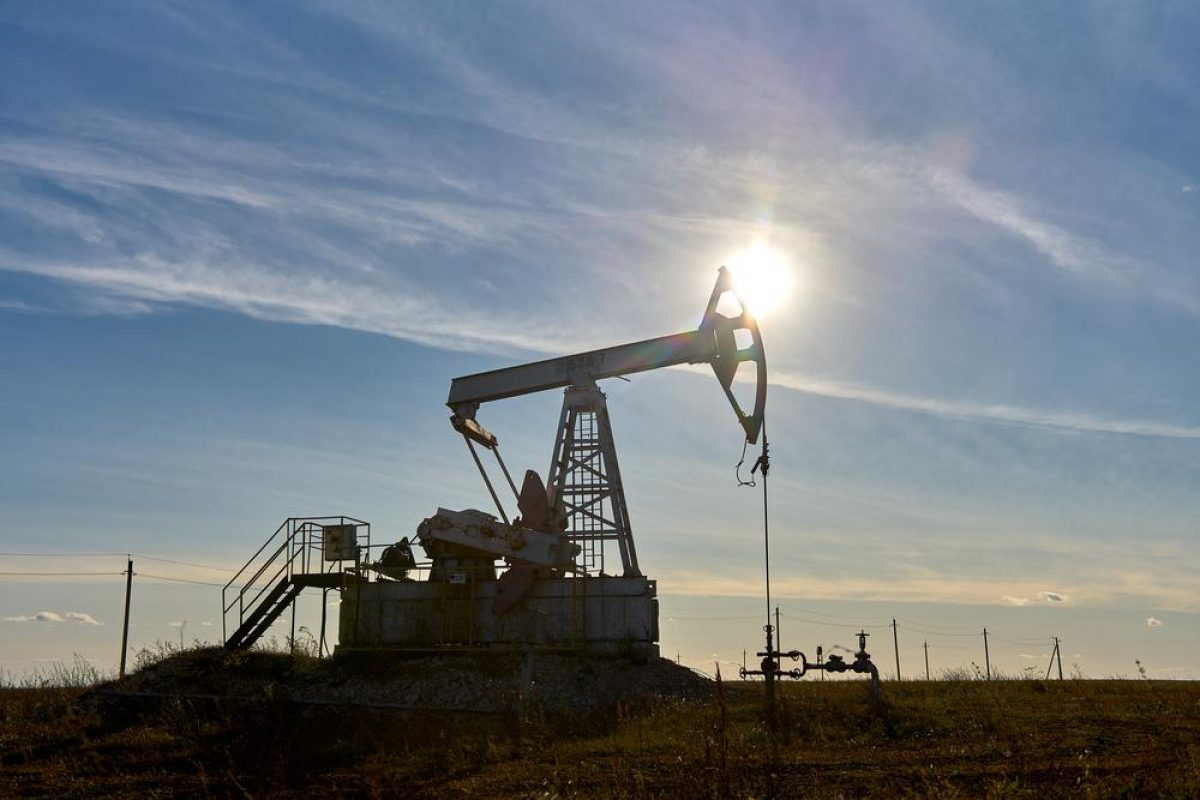
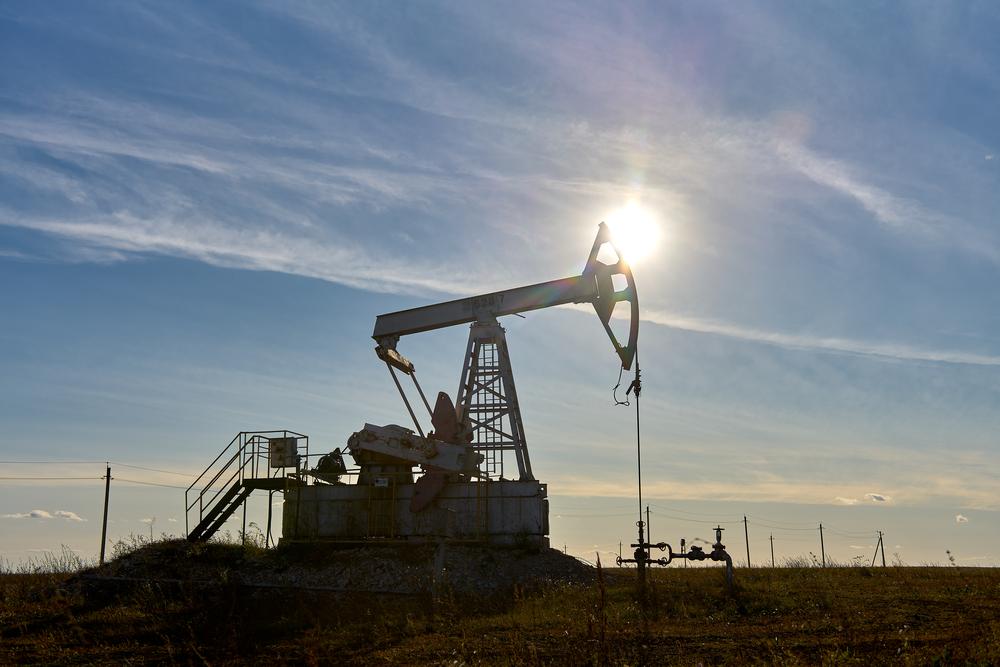
Stynava field wells have operated by natural flow since 1967. Aquifers lie above the productive deposits, and much of the field sits within the second and third sanitary protection zones of the Stryi water intake, which has operational reserves of 210,000 cubic meters per day and supplies drinking water to Lviv, Stryi, Morshyn, Drohobych, Truskavets and Stebnyk. The company said the Council's decision has put the environmental safety of Lviv region communities at risk.
Company disputes grounds for sanctions
BNK said the sanctions decision cites no motive and no reference to any facts regarding the company. It argued that including a Ukrainian company that has conducted open, lawful oil and gas extraction for 30 years on a list aimed at Russian and Belarusian entities does not resemble a considered state management decision, and said the move is already hurting the country's energy resources ahead of the heating season.
The company said it operates openly under continuous state oversight, that Ukrnafta holds a 25.1% stake and has received multimillion-hryvnia dividends from BNK in recent years, that it has completed a state environmental impact assessment, is listed among conscientious major taxpayers, and has paid more than one billion hryvnias in taxes, fees and unified social contributions during the full-scale war while also assisting Ukraine's armed forces. No court ruling has found the company or its officials acted unlawfully, the Security Service of Ukraine sent no request to BNK before July 2, 2026, and the company says it knows of no criminal proceedings against it.
BNK general director Yuriy Shklyar said the company understands the general logic of the state's sanctions policy and does not question it, but said it has a duty to state plainly that in BNK's case the sanctions decision is not only unjustified but critically harmful to state interests and the safety of the region's residents. Shklyar said aquifers supplying drinking water to six cities in the Lviv region lie beneath the halted wells, and that the old flowing well stock can only be safely shut down in a managed way, following a project and with time to carry it out. He said the company has appealed to everyone able to help, from the President to regional authorities.
Appeals sent to multiple authorities
BNK said it sent an appeal to the President as head of the National Security and Defense Council asking that the sanctions review be placed on the agenda of the Council's next meeting; an appeal to the Prime Minister, copied to the Council's staff, asking for amendments to the restrictions halting the production and sales cycle; an appeal to the State Service of Geology and Subsoil regarding implementation procedures and a transition period; an appeal to the Lviv Regional Military Administration; an official notification of the emergency risk to the State Emergency Service's regional department and the State Environmental Inspection in the Lviv region; and an appeal to Ukrnafta as a shareholder holding a 25.1% stake.
The company said all available resources are now being used solely to maintain the safety of its facilities, protect property, monitor pressures and keep records.
In the first half of 2026, BNK extracted an average of about 43 tonnes of oil and 68,000 cubic meters of gas per day and paid more than 1.5 million hryvnias to state and local budgets daily. The company said the state will now lose out on a significant volume of domestically produced oil and gas and substantial budget revenue ahead of the heating season. BNK employs 59 people; Ukrnafta holds a 25.1% stake, while other shareholders include no entities connected to Russia or Belarus, the company said.