

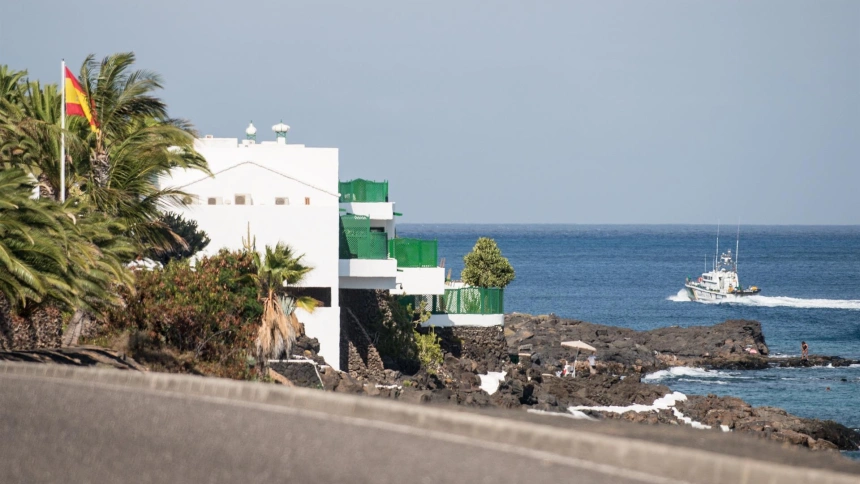
A floating barrier similar to the one installed in the waters off Ceuta, but longer, now protects the beach in the Canary Islands where Prime Minister Pedro Sánchez is spending his holiday. A security operation made up of 20 National Police officers and 40 Civil Guard members, 60 officials in total, is guarding both the beach and the La Mareta palace, the president's holiday residence in Costa Teguise, Lanzarote.
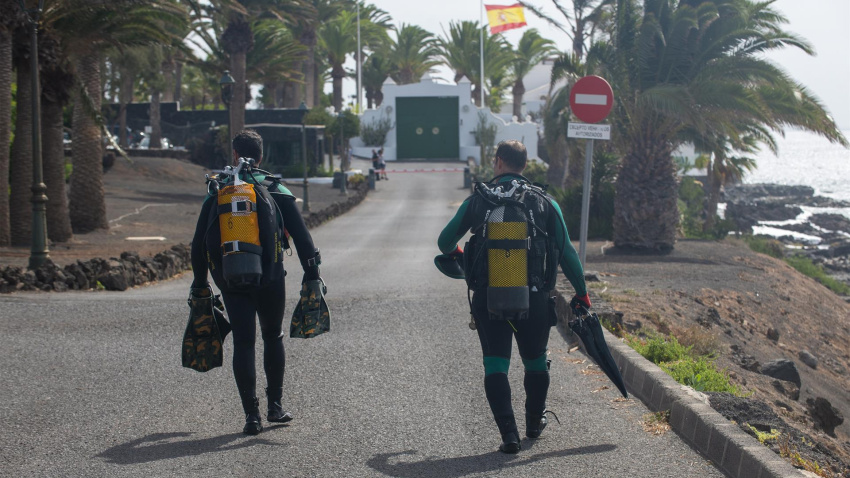
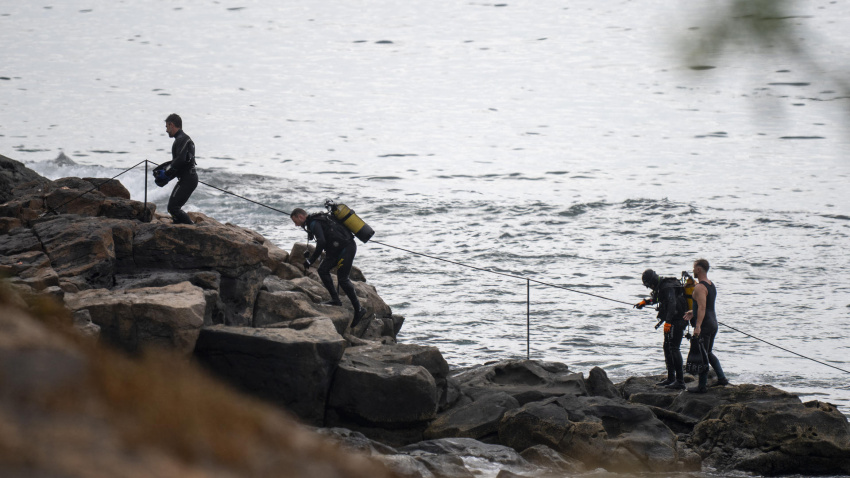
Civil Guard divers from the GEAS special unit inspected the coastline next to the residence ahead of Sánchez's arrival at La Mareta with his family for the holiday.
The measures have drawn scrutiny from broadcaster Luis del Val, who addressed the situation in his segment "La firma de Luis del Val" on the COPE radio program "La Linterna." Del Val questioned the return to normality declared by Interior Minister Fernando Grande-Marlaska, asking whether that normality referred to the crisis in Ceuta or to the president's holiday.
Criticism of the government's handling
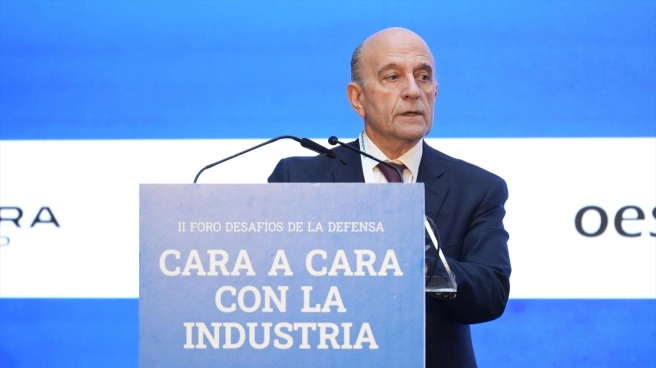
Journalist Zarzalejos, writing in El Confidencial, said Sánchez had not convened the National Security Council over the Ceuta crisis for purely political reasons, which he said amounted to a lack of institutional responsibility.
Del Val pointed to what he called contradictions in the government's response. He said Grande-Marlaska had described the National Intelligence Center, or CNI, as very good, while also saying the government received no warning of the migrant surge that was about to hit Ceuta.
Three days before the crisis began, according to Del Val, the president of Ceuta, Jesús Vivas, already had information about what was coming and tried unsuccessfully to reach Sánchez directly. Vivas eventually spoke with the prime minister's chief of staff, Diego Rubio, who did not treat the matter as important, even though it is unusual for the president to be away from the Moncloa Palace for four weeks.
Del Val also noted that the government's delegate in Ceuta, Miguel Ángel Pérez Triano, expressed anger not over having missed the warning signs, but over visits to the autonomous city by representatives of other political parties.
Despite the criticism over the lack of foresight, Grande-Marlaska defended the government's handling of the crisis. He said Spain had resolved the crisis well, had risen to the occasion, and would not enter what he called a contest of testosterone. Del Val remarked that such words were reassuring coming from a government with high female representation.
Uncertainty over the numbers
Del Val also criticized the lack of clear information from the government. He said the exact number of expelled jihadists who have returned to Ceuta remains unknown, as does the death toll, which he said could range between 72 and 84, or possibly exceed 100.
There is also no certainty about how many migrants remain in the streets of Ceuta, with estimates ranging between 7,000 and 10,000, according to Del Val. He said this pointed to a contradiction: intelligence officials are said to know Morocco extremely well, yet the CNI reportedly did not warn of the crisis.


