

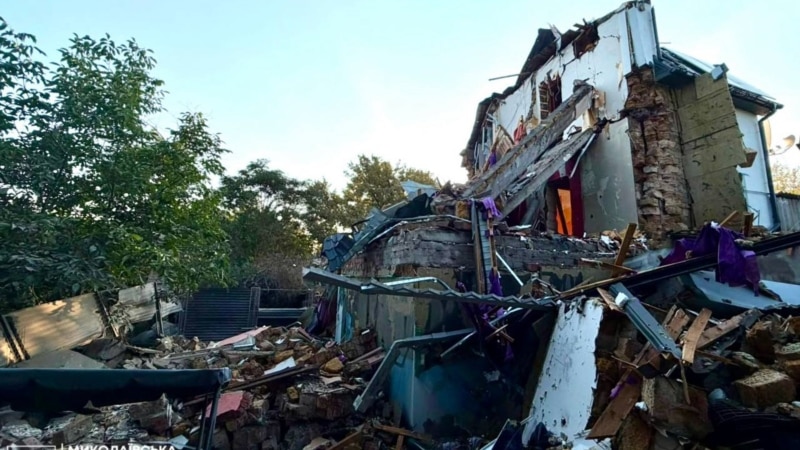
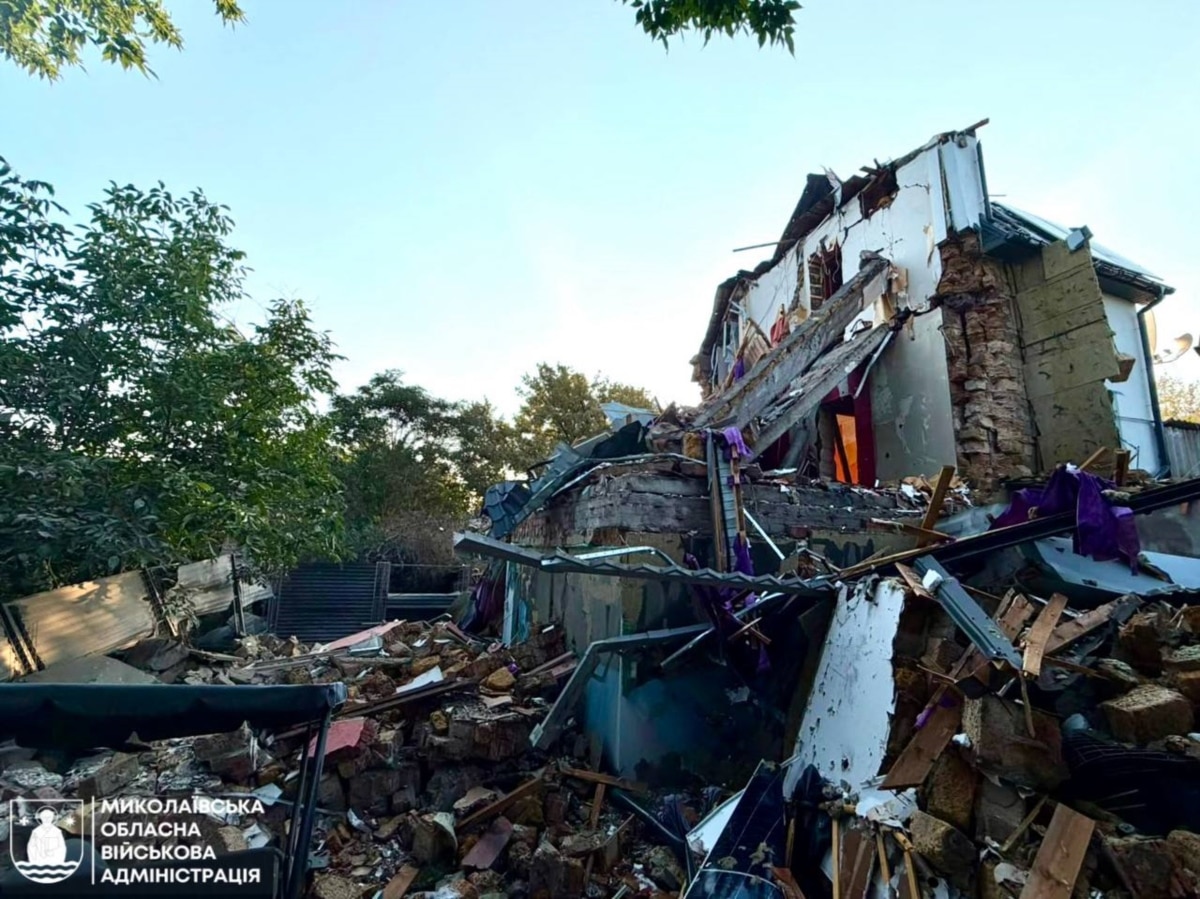
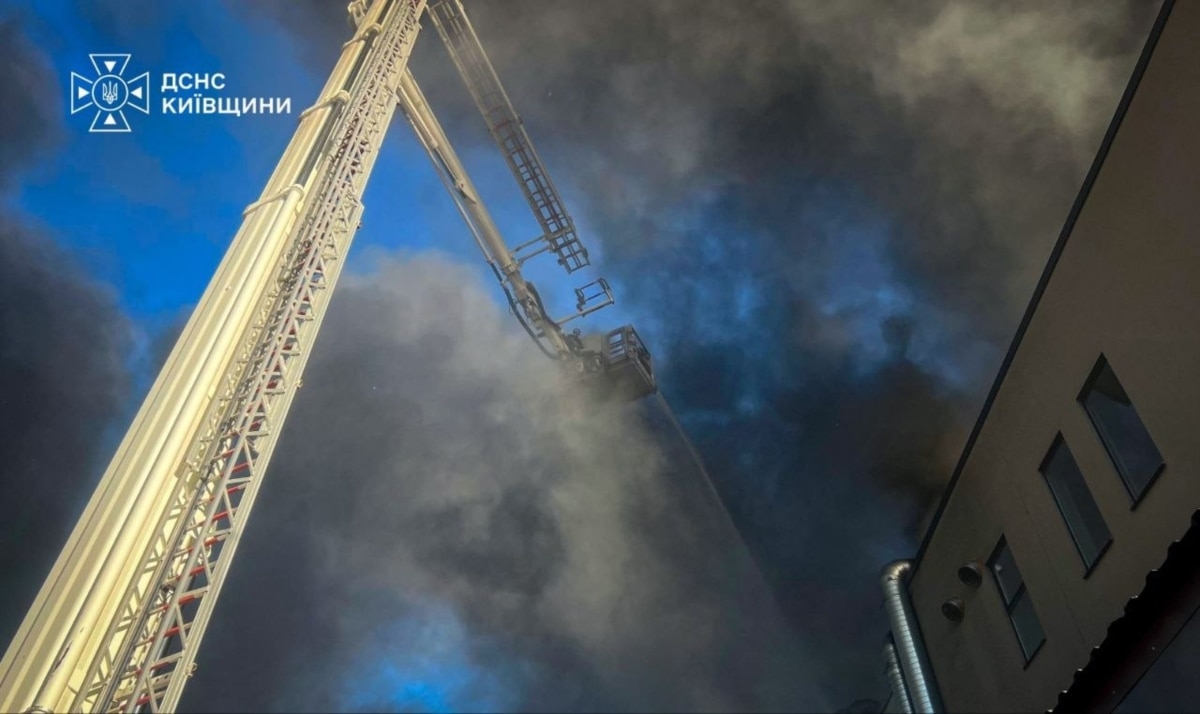
Russian drones attacked a food industry warehouse in Mykolaiv Oblast on the evening of August 29, damaging the facility and sparking a fire.
Heorhiy Reshetilov, the head of the Mykolaiv Regional Military Administration, announced the attack following the evening strike on the industrial site. Emergency services responded after the warehouse sustained structural damage and caught fire.
Mykolaiv Oblast, located in southern Ukraine along the Black Sea coast, is a key agricultural and industrial region known for its grain transport and food processing facilities. Regional military administrations, known locally as OVA, manage civilian defense, oversee regional governance during wartime, and coordinate emergency responses to hostile aerial bombardment.
Targeting of Ukrainian infrastructure
Ukrainian officials reported that the Russian military regularly launches attacks against Ukrainian cities and civilian infrastructure across all regions of the country. These operations employ a wide range of weapons, including strike unmanned aerial vehicles, cruise and ballistic missiles, guided aerial bombs, and multiple launch rocket systems.
Unmanned aerial vehicles, commonly referred to as drones or strike UAVs, are remotely piloted aircraft used for both reconnaissance and explosive attacks. Guided aerial bombs, known as KABs, are heavy aerial munitions fitted with guidance wings to extend their range, while multiple launch rocket systems deploy multiple rockets in rapid salvos.
Ukrainian authorities and international organisations classify these persistent strikes on civilian targets as war crimes committed by the Russian Federation. Official statements emphasize that the destruction of non-military infrastructure is intentional and systematic in nature.
Allegations of genocidal actions and Russian denials
Ukrainian officials also stated that shelling directed at public utility systems and healthcare facilities shows signs of genocidal intent. According to authorities, strikes intended to deprive civilians of electricity, heating, water supplies, telecommunications, and medical care aim to eliminate essential living conditions.
International humanitarian law explicitly prohibits deliberate targeting of essential civilian services, including food storage facilities, power grids, and municipal waterworks. Under international treaties, destroying facilities critical to human survival during an armed conflict constitutes a violation of international standards and can trigger investigations by global judicial bodies.
Damage to food processing plants and distribution warehouses presents immediate challenges for local food supply networks in affected regions. Emergency crews and municipal workers across Ukraine routinely operate around the clock to extinguish fires, clear debris, and stabilize damaged industrial sites.
The Russian leadership denies that its armed forces conduct targeted strikes against civilian infrastructure in Ukrainian cities and villages during the full-scale war. Officials in Moscow maintain that Russian forces do not deliberately kill civilians or target hospitals, schools, kindergartens, energy installations, and water infrastructure.


