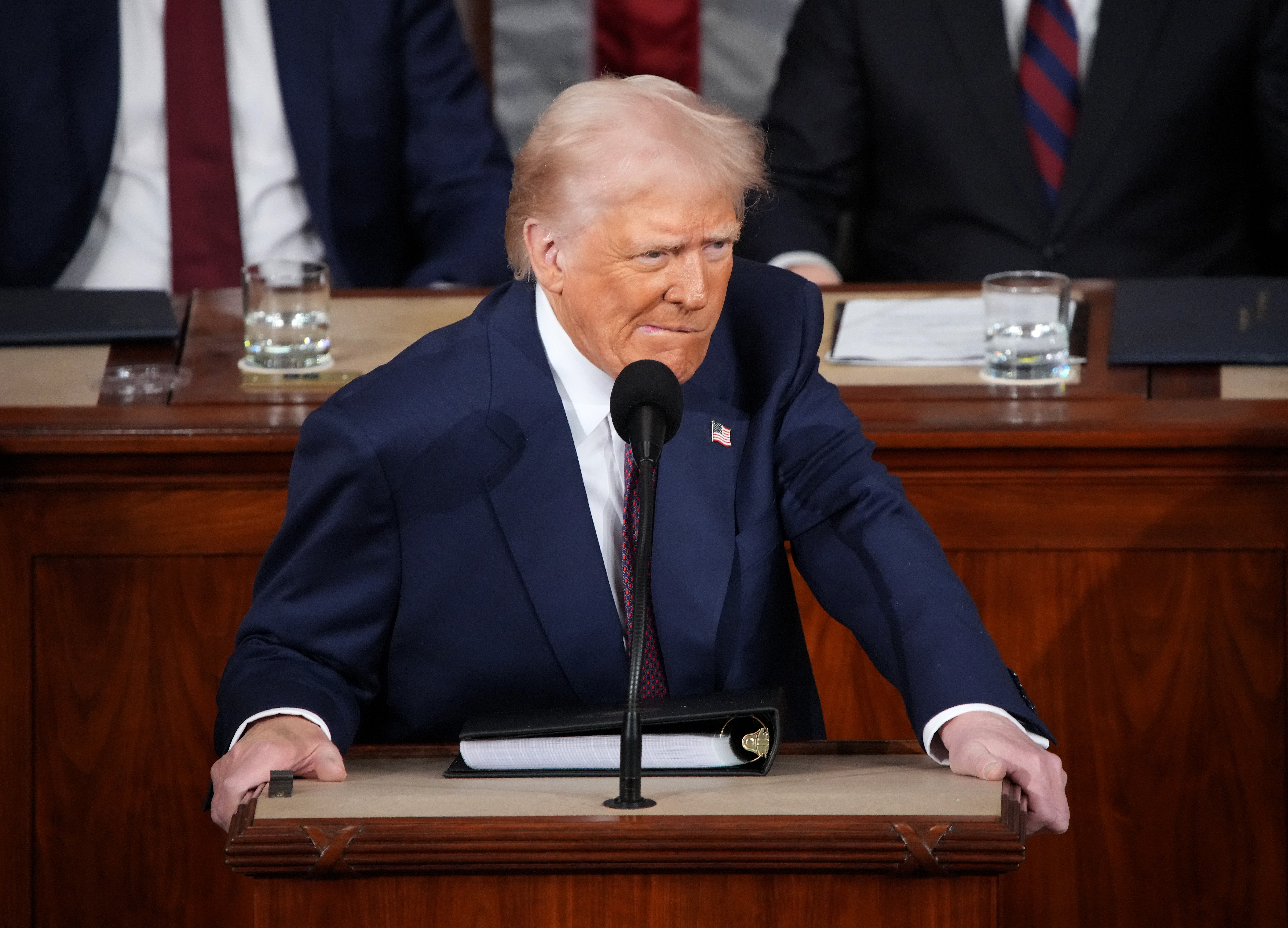
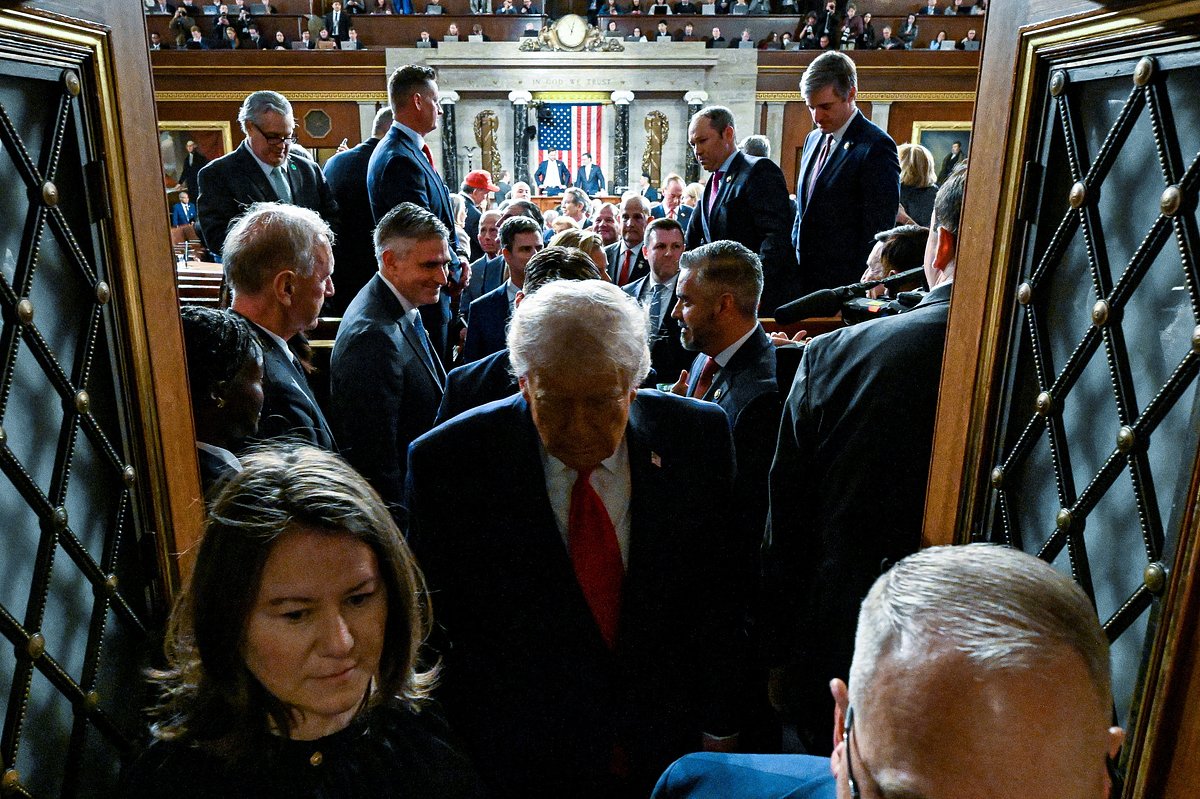
Republicans are at risk of losing control of the US House of Representatives in the November 3 midterm elections, according to American politics analyst and political consultant Pavel Dubravsky, author of the Telegram channel Campaign Insider. Dubravsky told the Russian outlet Lenta.ru that President Donald Trump currently has no clear strategy to prevent the loss.
Dubravsky said ratings for Trump and the Republican Party are falling amid the war with Iran, inflation and a worsening economy. He noted Democrats have not recovered from their loss in the last presidential election and remain deeply unpopular themselves.
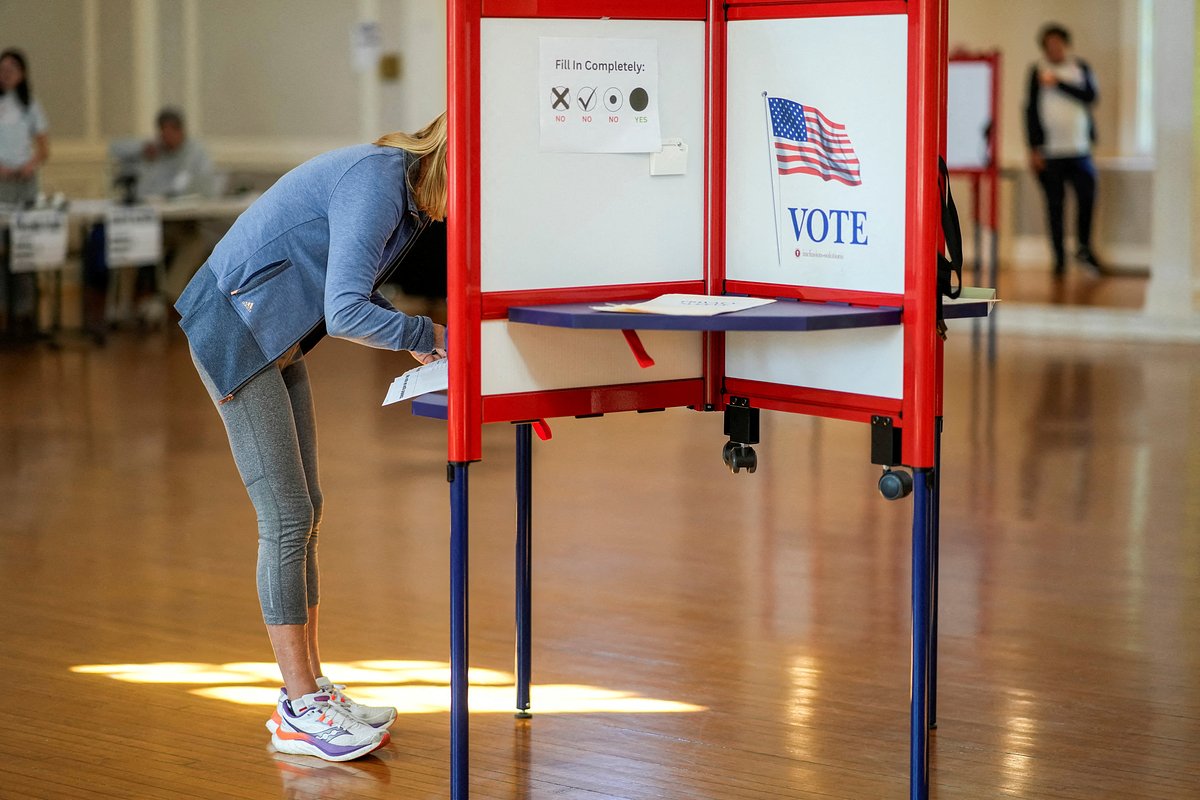
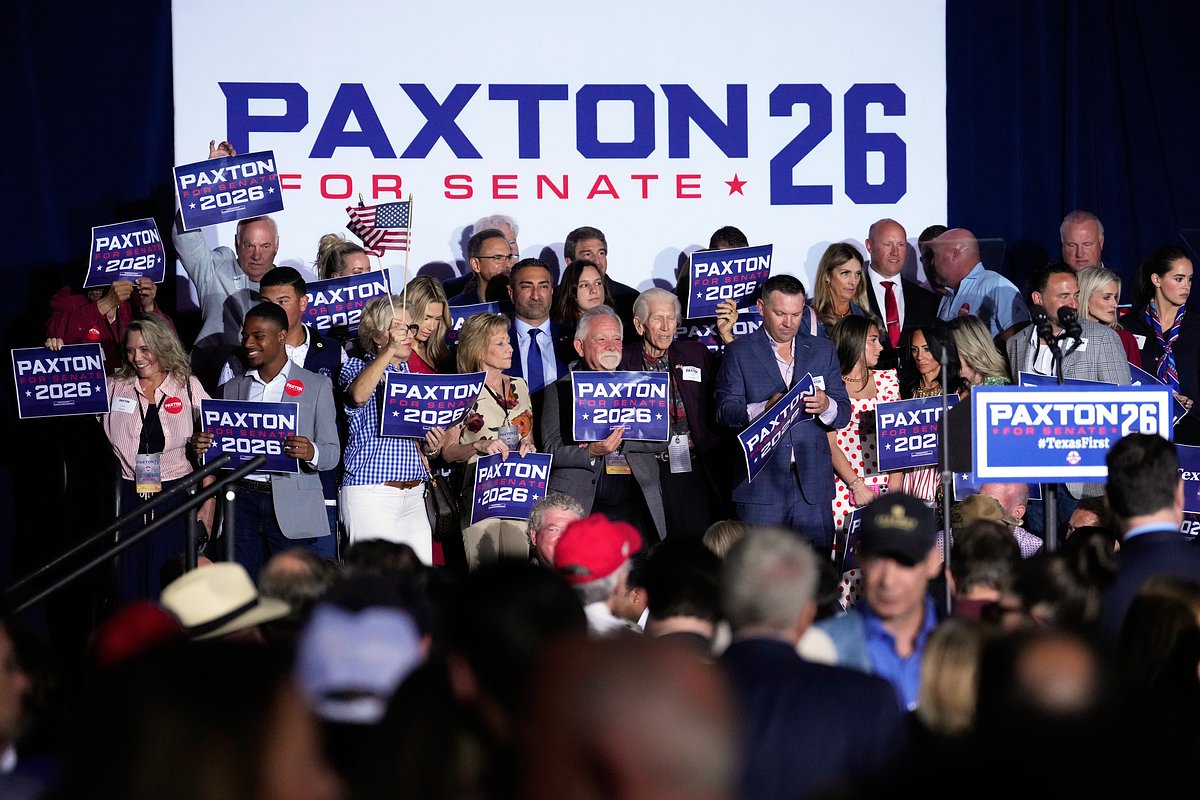
US midterm elections fall halfway through a four-year presidential term. Voters will fill all 435 House seats and about a third of the 100 Senate seats. Governors will be elected in 36 of the 50 states, and winners will serve in the 120th Congress, with House seats allocated based on the 2020 census.
What is at stake
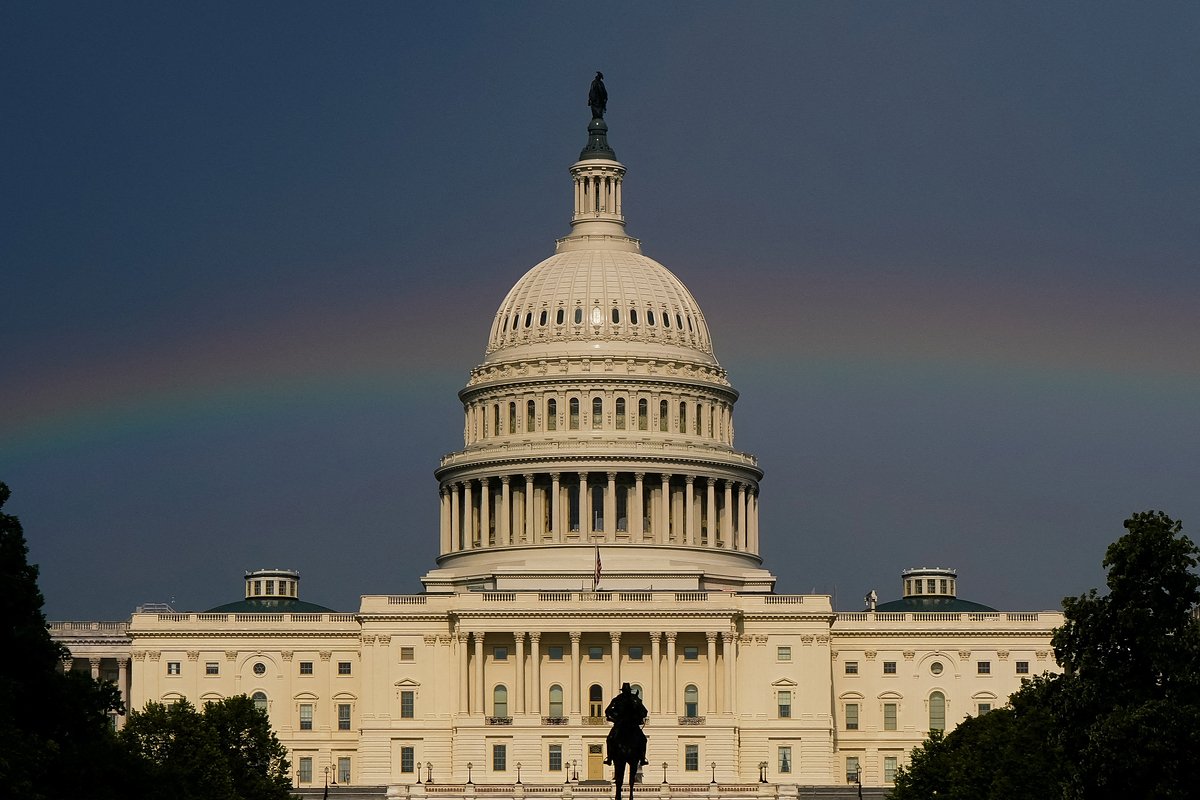
Dubravsky said the vote amounts to a referendum on Trump, and that historically, midterm elections tend to go badly for the party holding the White House. He said the current Congress and the one before it are the least productive in roughly half a century, passing fewer laws than any Congress in that period. He pointed to the Safe Act, aimed at overhauling election procedures, and a housing infrastructure reform as rare exceptions.
Why Congress is gridlocked
Dubravsky said the country's founders deliberately built tension between the House and Senate so that no single party could dominate both the executive and legislative branches. He also pointed to party discipline: Republican Senator Lisa Murkowski of Alaska voted against the Safe Act despite supporting its underlying idea, because about 20 percent of Alaska's population lives in remote areas and depends on mail or remote voting.
Factionalism plays a role too, Dubravsky said. Representative Thomas Massie, a leading intra-party critic of Trump who pushed for full declassification of files related to Jeffrey Epstein, recently lost his primary. Representative Marjorie Taylor Greene, another vocal opponent of Trump within the party, left Congress early.
What the polls show
Dubravsky said polling shows Democrats leading by up to 11 percent among voters who say they will definitely vote, and by about 5 to 5.5 percent among all respondents. He noted that according to the RealClearPolitics aggregator, Republicans' unfavorable rating is only about one percent lower than that of Democrats. He cautioned that national polling doesn't capture district-level dynamics, recalling that 2022 polls predicted a Republican "red wave" that never materialized, leaving the party with only a narrow majority. A recent Supreme Court decision slightly redrew district boundaries in Republicans' favor, which Dubravsky said could bring the party one additional seat.
Trump's political troubles
Dubravsky said Trump had originally planned to build momentum around the 250th anniversary of the United States, including UFC fights near the White House, a military parade, and the 2026 World Cup, alongside foreign policy moves involving Nicolas Maduro and pressure on Cuba. He said those plans collapsed once the war with Iran began. Vice President JD Vance said on Joe Rogan's podcast that the war needed to end because it was hurting both the election and the economy. Dubravsky said inflation is now running at 3 to 4 percent, with food prices rising noticeably, at levels comparable to those under President Joe Biden in 2023, which he said cost Biden the presidency.
Protests and polarization

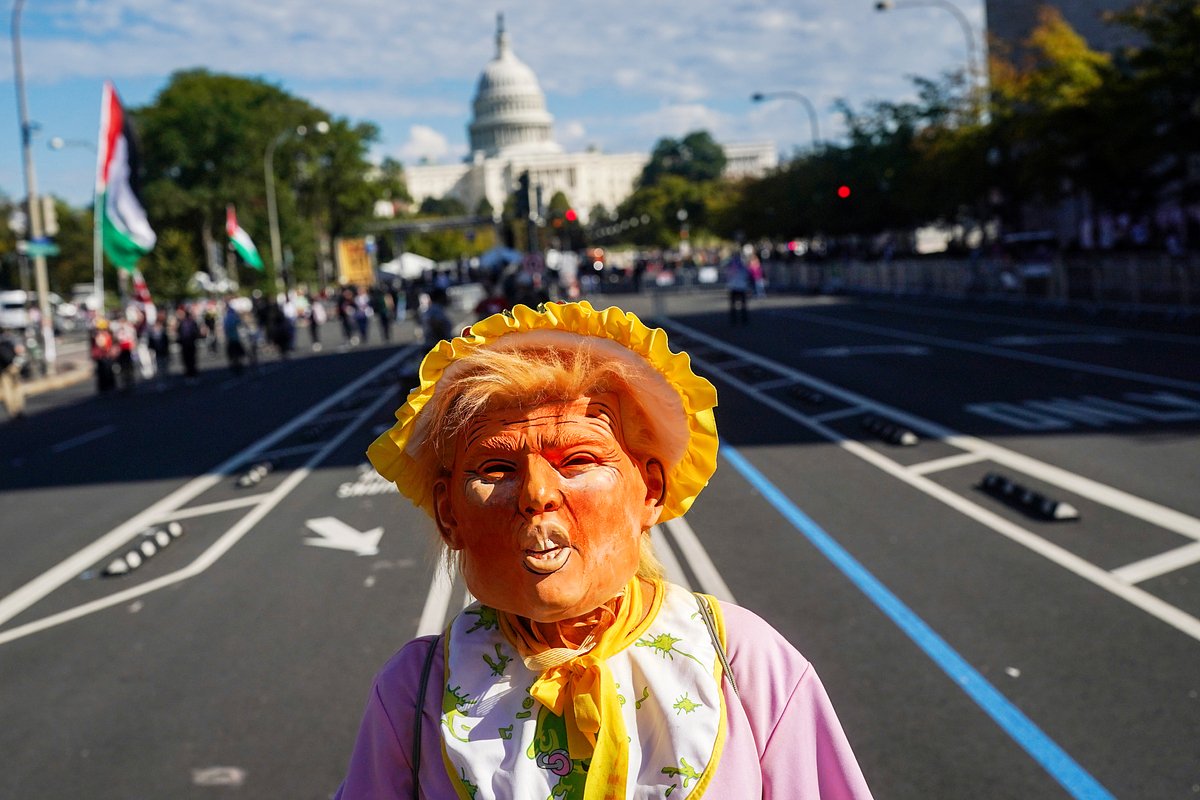
Dubravsky said the No Kings protest movement against Trump drew as many as 9 million people by some estimates, making it the largest anti-government demonstration in US history, surpassing the civil rights movement led by Martin Luther King Jr., the 2016 Women's March, and Black Lives Matter, which drew up to 3 million people.
Democrats shift left
Dubravsky said Democratic leaders including Nancy Pelosi declined to conduct a formal review after the party's presidential election loss, despite Senator Bernie Sanders' calls to engage more with working-class voters. Minority Leader Hakeem Jeffries also avoided public debate over strategy, he said.
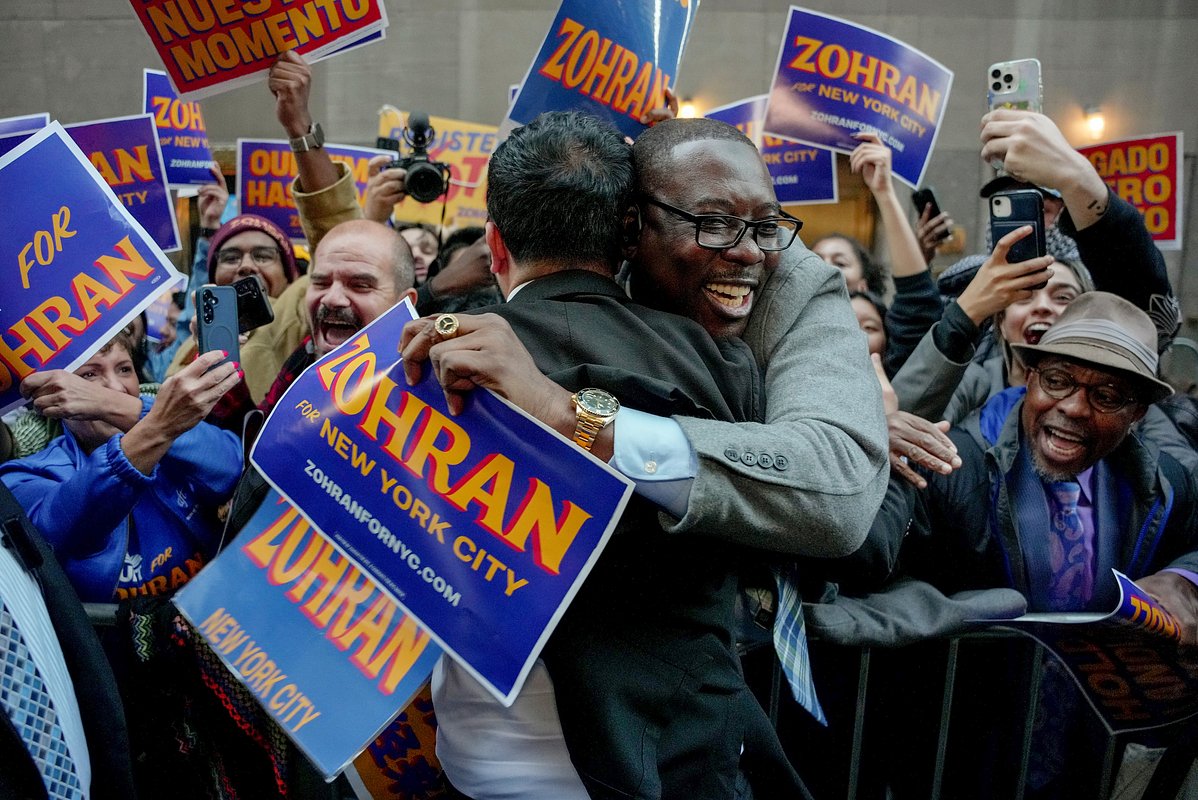
Dubravsky said Zohran Mamdani's win in New York changed the party's direction. California Governor Gavin Newsom had tried a more moderate approach, speaking with conservative commentators Charlie Kirk, Steve Bannon and Ben Shapiro, but shifted after Mamdani's victory. Mamdani's platform included free city buses, a rent freeze on regulated housing, universal preschool and city-run grocery stores. Dubravsky said this validated the model of Sanders, Alexandria Ocasio-Cortez and Maxwell Frost, the Florida congressman elected at age 25. He said liberal commentator Bill Maher has said he is considering voting Republican, arguing the Democratic Party is drifting toward communism.
Isolationism gains ground
Dubravsky said the isolationist wing of the Republican Party, including figures such as Tucker Carlson, Vivek Ramaswamy and Nick Fuentes, is growing in influence, even as most Republicans still support US involvement in the Western Hemisphere under the Monroe Doctrine. He said the party has grown more critical of foreign interventions since the departure of Senator Lindsey Graham.
If Democrats take Congress
Dubravsky said Senate control remains close to an even 50-50 split, meaning the vice president could again cast the deciding vote as under Biden and Kamala Harris, but the House is more likely to flip to Democrats. If Democrats control both chambers, he said Trump's first task would be defending against impeachment efforts targeting ICE immigration raids, foreign policy actions in Cuba, Venezuela and Panama, allegations of power overreach through the DOGE budget restructuring and staff firings, and corruption investigations into the growth of cryptocurrency assets held by Trump and his son.
Impact on Ukraine, Iran and Israel
Dubravsky said the president retains control over negotiations, but Congress controls funding. He said lawmakers could pass a resolution condemning the Iran war, though it would be non-binding and would need a supermajority to override a presidential veto. He said the bipartisan consensus on Ukraine funding that existed in 2022 is gone, with Republicans reluctant to allocate money and even some Democrats, including Pennsylvania Senator John Fetterman, questioning deeper US involvement. He said the Israel issue divides both parties amid the Iran war and events in Gaza.
Trump's fraud claims
Asked about Trump's recent claims that China, Iran and Russia are prepared to interfere in the midterms, Dubravsky said he believes Trump is trying to discredit the process in advance so he can later contest results in states such as California. He recalled that after the 2020 election, Trump filed 64 lawsuits alleging fraud and lost all of them, and that a recording exists of Trump pressuring Georgia's top election official to "find" 11,000 votes.
Dubravsky said recently published documents allege Venezuela could influence the Dominion voting system used in the US, though CIA Director John Ratcliffe's report found no evidence for this. Another claim alleges China obtained personal data on 200 million American voters, but Dubravsky noted such data is legally sold on the open market by numerous companies. He said claims of Russian interference also lack documentary evidence.
Dubravsky said American politics has a concept called the "October surprise," an event shortly before an election that upends the race. He said this year's surprise already happened: the war with Iran, which he said Trump largely brought on himself. Without it, he said, the question of Republicans losing the House would likely not even be on the table.