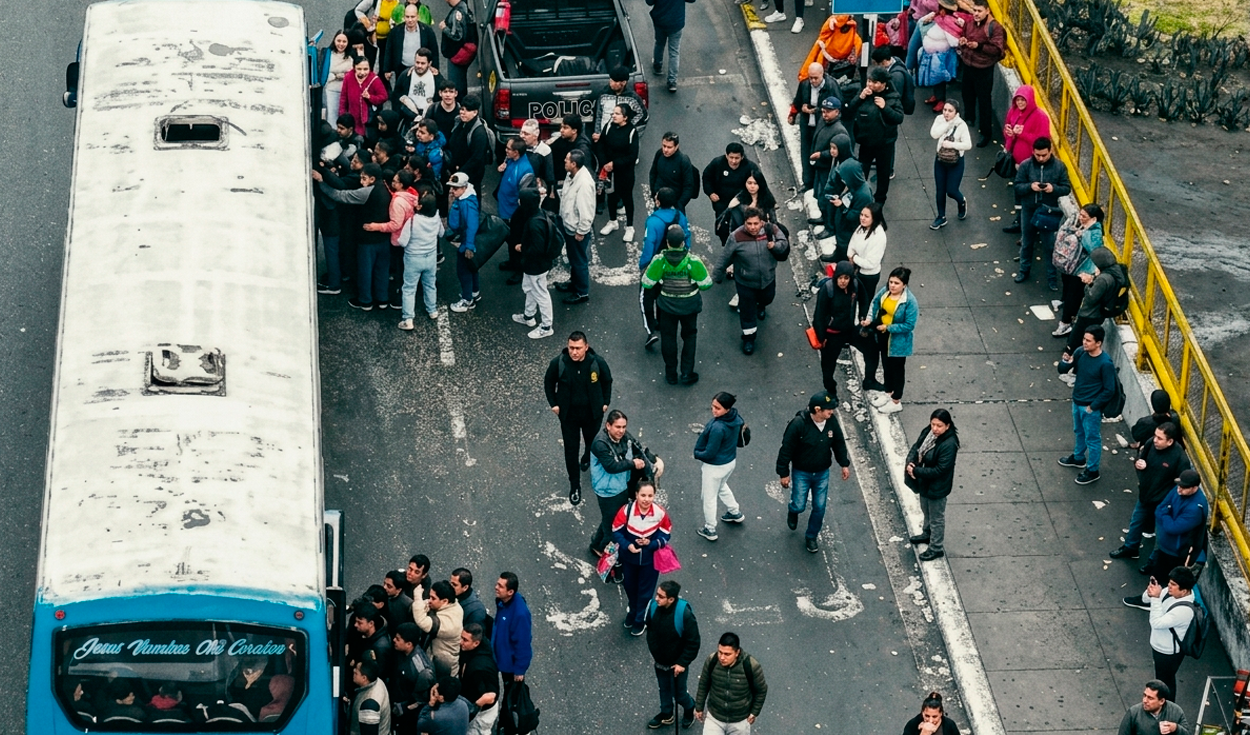
Peruvian transport unions have called a nationwide strike for August 25, presenting President Keiko Fujimori, who took office less than a month ago, with her first major confrontation with the transport sector, according to columnist Mirko Lauer.
Lauer wrote that the motives behind the strike echo those that marked the presidency of Dina Boluarte: anger over the government's indifference to extortion and attacks targeting transport workers.
A rise in fuel prices could have added to the grievances, Lauer wrote, but Fujimori's government moved to soften the impact with a 20% subsidy lasting three months. Even so, he said outrage over the government's inaction on crime against drivers has not gone away.
The strike call also serves as a demand for the government to meet with transport union leaders before August 25, according to the column.
Lauer said it was very likely that such a meeting would take place and could defuse the strike, at least for a time, though the outcome would depend on what Fujimori's government could offer beyond the subsidy already granted. He wrote that no convincing proposals were yet in sight to deal with extortionists and hitmen operating in the transport sector.
A history of strikes that did not work
Over the past three governments, two of them provisional, transport strikes were relatively frequent but failed to bring change, Lauer wrote. He said the executive branch remained indifferent to attacks on drivers, producing only cosmetic changes within the police force.
Dina Boluarte led Peru's government after the ouster of Pedro Castillo in December 2022, a period that saw repeated transport stoppages tied to extortion rackets targeting bus and taxi operators.
Lauer argued that officials passing through government at any level lack the capacity to offer even partial solutions to criminality in transport and other sectors. He said this meant strike organizers would need to demand far more than meetings with leadership structures he described as empty.
The columnist questioned why unions keep striking when the tactic produces no results, suggesting it may be a way for leaders to show their members they are taking action, even if that action angers transport passengers. He warned that passengers themselves have become targets for extortionists and their hitmen, and said Fujimori was quickly approaching the level of unpopularity reached by Boluarte, a comparison he said did not initially seem to fit her.
Tension inside the cabinet
Lauer's column also pointed to other frictions within the government. He wrote that the Interior Minister has resisted replacing the national police chief, while the Justice Minister sent an open letter to the Presidency demanding changes. Fujimori and the Transport Minister were also said to disagree over trains purchased in California.
Keiko Fujimori, leader of the Fuerza Popular party and daughter of former President Alberto Fujimori, had run in several previous presidential elections before this one.