
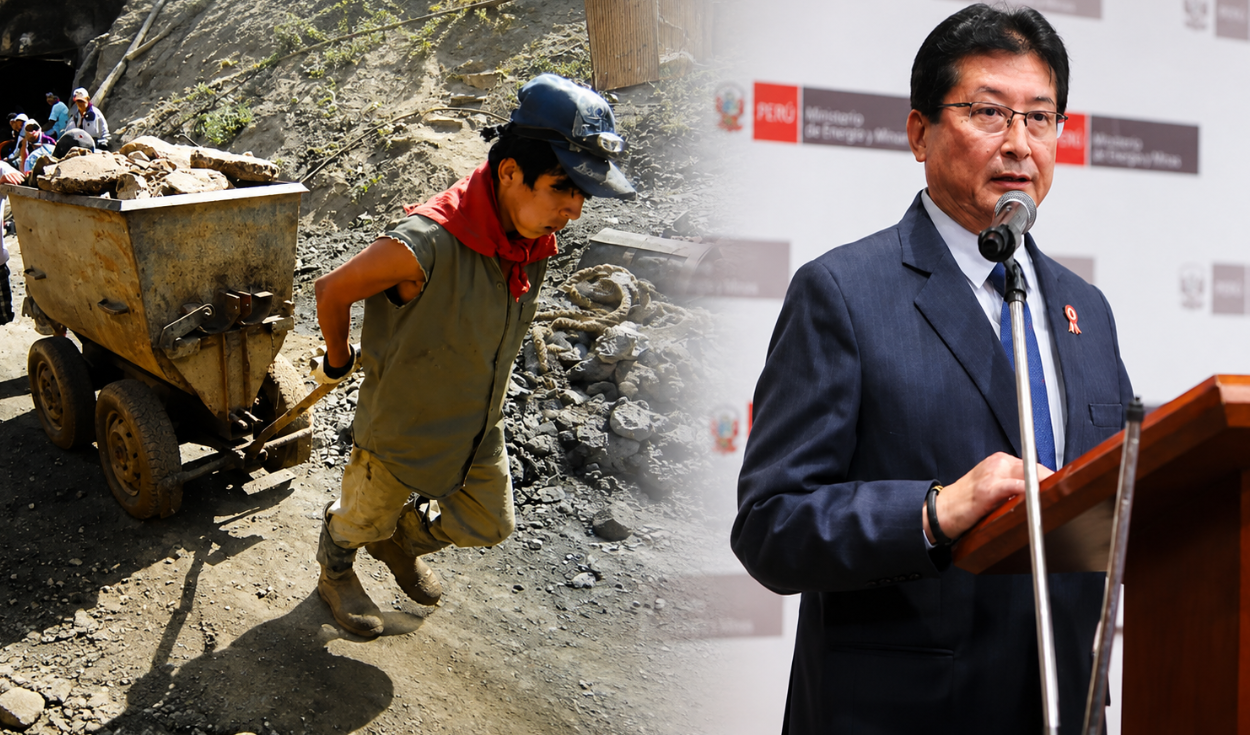
Peru's Minister of Energy and Mines, Guillermo Shinno, has announced that the executive branch will present a new small-scale mining bill in November 2026.
The proposed Small-Scale Mining and Artisanal Mining Law, known as the Ley MAPE, aims to replace the current formalisation scheme while the government evaluates the future of the Comprehensive Mining Formalisation Registry, known as Reinfo.
The announcement modifies the regulatory outlook for miners remaining in the regularisation process. Instead of granting a simple registration extension as the sole resolution, the executive branch proposes addressing the status of registered producers under the rules of a new law that is currently under preparation.
Government officials face a strict timeframe to define their approach before the end of the year, as the current Reinfo system is set to expire on December 31, 2026. Because the Ministry of Energy and Mines, known as Minem, expects to finish the draft in November, the debate over the new regulation will be closely linked to its legislative progress in parliament.
Small-scale and artisanal mining forms a major part of Peru's informal economy, particularly in mineral-rich Andean and Amazonian regions. The Reinfo registry was established as a temporary mechanism to allow informal miners to continue operating while taking steps to comply with environmental, safety, and tax regulations.
Internal ministry commission
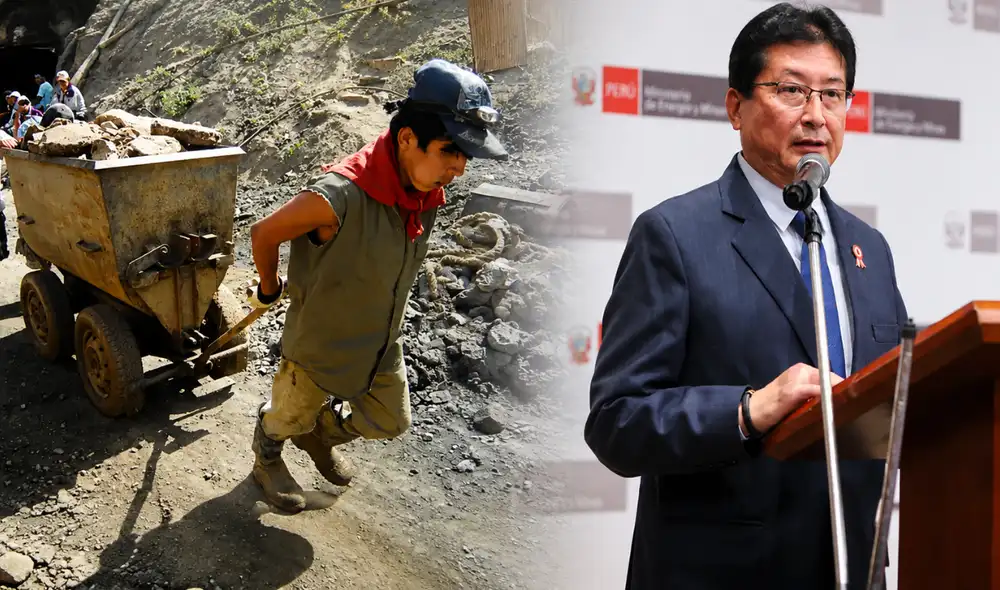
Shinno reported that Minem has formed an internal commission to draft the new legislative proposal over the coming weeks.
The commission is charged with establishing updated rules for small-scale and artisanal mining operations and defining how the formalisation process will continue for miners who are already moving toward regulatory compliance.
The minister emphasised that the updated framework must account for the specific operational characteristics of small-scale activity. He noted that the new rules should avoid subjecting small producers to administrative demands designed for large-scale industrial mining operations.
Speaking to the Peruvian financial newspaper Gestión, Shinno said that from a formalisation perspective, the ministry aims to provide better space and attention to producers who have already made progress through Reinfo so that they can conclude their regularisation.
The internal working group will continue its drafting work over the coming weeks, with the expectation that the draft bill will be completed in November. The deadline is critical because the current adaptation process expires on December 31, 2026.
Future of Reinfo registration
The Peruvian government has not confirmed an automatic extension for miners enrolled in the Reinfo system. Shinno avoided declaring that the registry would continue automatically, linking its eventual status directly to the provisions established in the new Ley MAPE.
The scenario being evaluated by the executive branch does not assume that all registered miners will remain under the same administrative mechanism. The new legislation could set specific conditions allowing miners who demonstrate documented progress in regularisation to remain in the system, while applying different measures to cases where no progress has occurred.
The proposed reform will affect small-scale miners remaining in the regularisation process following a comprehensive administrative cleanup conducted in 2025.
Minem reported that 31,560 small-scale and artisanal miners remained eligible to continue in the formalisation process after the 2025 purge of the official registry.
Congressional approval timeline
The executive branch faces significant calendar constraints to secure parliamentary approval for the legislative reform before current rules expire.
Although Minem expects to have its draft bill ready in November, the text must be submitted to the Congress of the Republic of Peru for committee review and voting as an executive legislative initiative.
That process leaves a narrow window of only a few weeks between the introduction of the bill in November and the expiration of the current formalisation framework on December 31.
Shinno acknowledged that the remaining time is limited for Parliament to debate and pass a new legal framework before the year ends.
The government proposal overlaps with existing legislative initiatives already introduced in Congress to modify the legalisation process. Some parliamentary proposals advocate extending Reinfo's validity while the new Ley MAPE is approved, meaning congressional debates will determine whether a transitional period is created between the current regime and the new law.
New rules for formalisation
The initiative under development at Minem goes beyond deciding the immediate fate of the Reinfo registry. The executive branch intends to revise the underlying conditions under which small producers advance toward formal status, establishing differentiated requirements based on the type and scale of mining activity.
Officials are also evaluating how to address miners who were previously excluded from the registry but still have active administrative appeals or procedures underway. Minem is considering specific legal provisions for these cases within the new legislation rather than keeping the administrative roster open indefinitely.
To establish more precise operational data, the government plans to conduct a national census of registered miners. The census will serve as a key tool to clean up administrative records and determine who is actively pursuing formalisation.
Beyond registry management, Minem plans to strengthen regulatory oversight of mineral processing plants, known as plantas de beneficio, and improve mineral traceability systems to clearly distinguish production originating from regularisation-track operations from material linked to illegal mining.