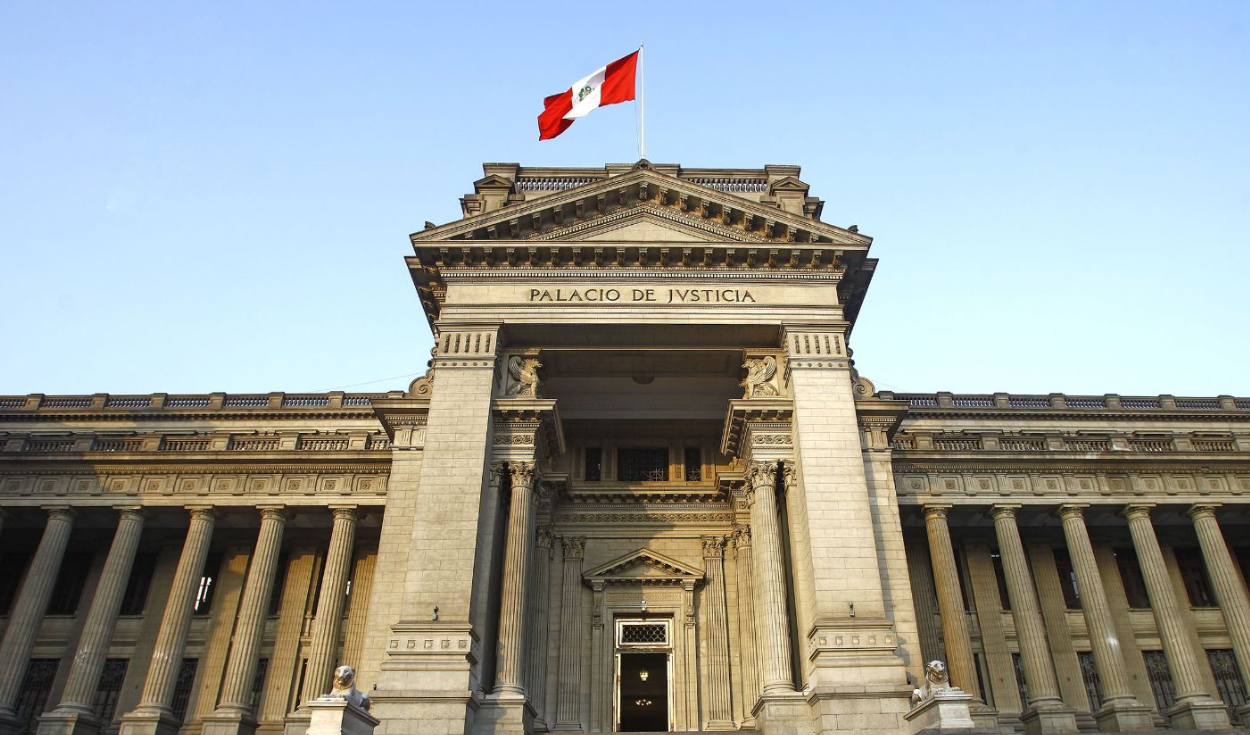
The president of Peru's Judicial Branch, Dr. Janet Tello, has reiterated that dismissing judges simply because a political authority disagrees with their rulings eliminates judicial independence and places democracy and the constitution at risk.
Her warning comes amid ongoing daily pressure and political persecution faced by Peruvian judges who choose not to apply what legal analysts call a legislative framework of impunity.
The contested legal framework passed by the Peruvian Congress includes a law imposing a statute of limitations on crimes against humanity, an amnesty law protecting human rights violators, and a measure expanding the definition of military duty offenses so military and police tribunals can assume jurisdiction over potential human rights violations.
Numerous judges across the country are putting their professional careers on the line in an act of decency to fulfill their duties rather than subordinating judicial principles to political interests, according to legal commentator Julissa Mantilla in an article published by 247 News Agency.
Application of international human rights doctrine
To resist the congressional laws, members of the judiciary are applying the doctrine of conventionality control established in Inter-American human rights jurisprudence. The legal principle requires national judges to ensure domestic laws conform to international human rights treaties ratified by the state.
The precedent dates back to 1995, when Peruvian Judge Antonia Saquicuray used conventionality control to block amnesty laws passed by Congress to shield human rights violators from prosecution. The Inter-American Court of Human Rights explicitly backed her decision in its 2001 judgment in the case of Barrios Altos vs. Peru.
The Inter-American Court of Human Rights, based in San Jose, Costa Rica, is an autonomous judicial institution of the Organization of American States. Its binding rulings set legal standards across Latin America, requiring member nations like Peru to uphold international treaty commitments over conflicting national statutes.
Historical precedent of congressional dismissals
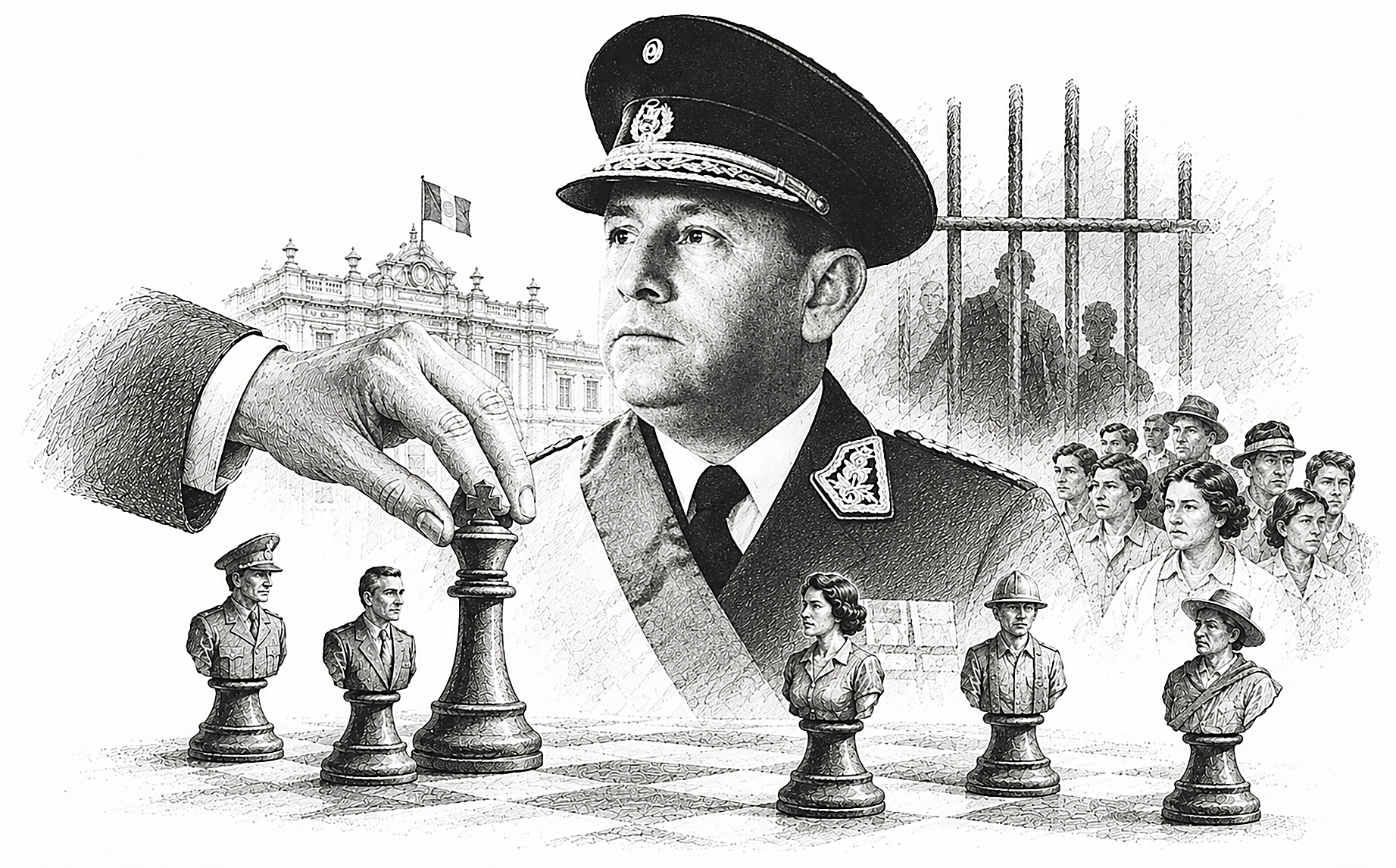
The current confrontation between congress and the judiciary mirrors events from 1997, when the Peruvian Congress removed three Constitutional Court magistrates: Manuel Aguirre Roca, Guillermo Rey Terry, and Delia Revoredo Marsano.
Lawmakers impeached the three constitutional judges over their stance against Law 26657, known as the authentic interpretation law. Congress enacted the statute to clear a legal path for the presidential re-election of Alberto Fujimori, who led the country during the 1990s.
The ousted judges appealed to the Inter-American Court of Human Rights, which ruled in a landmark 2001 judgment that the independence of every judge must be guaranteed in a state governed by the rule of law. The international court determined that the legislative branch lacked the necessary independence and impartiality to conduct political trials against Constitutional Court magistrates.