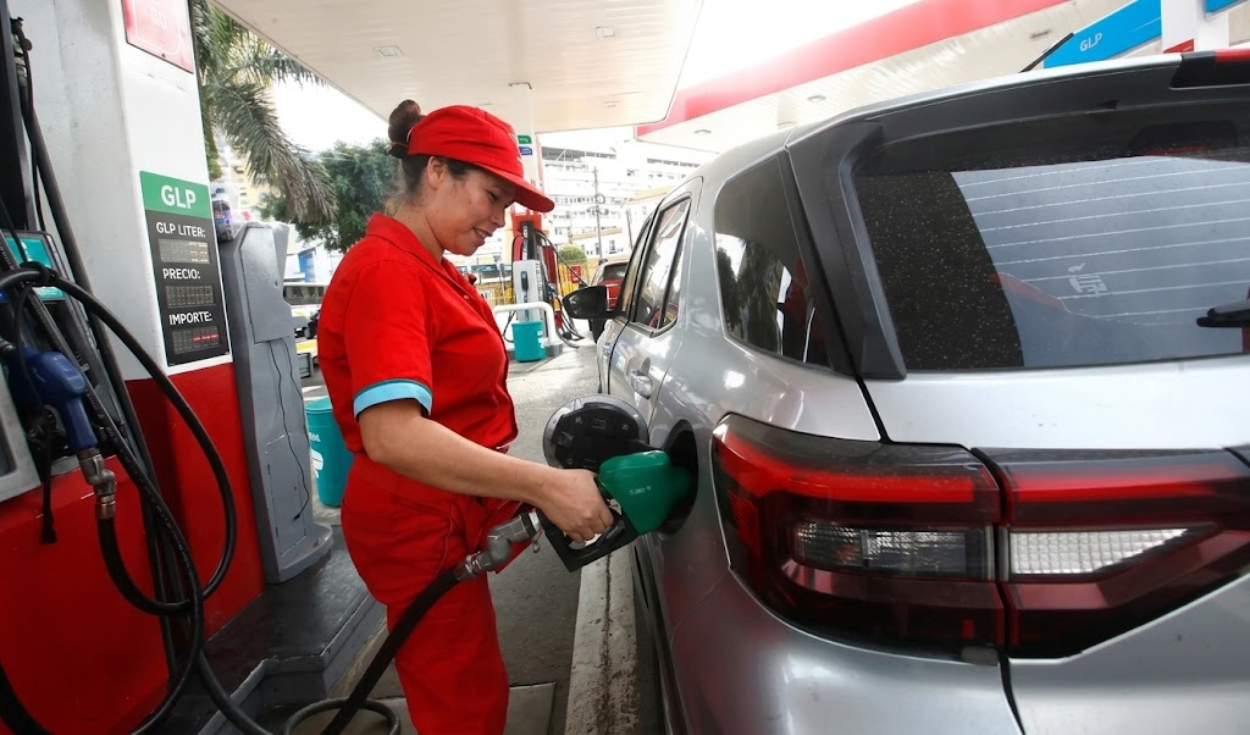
The Peruvian government has introduced a 105 million Peruvian sol public transport fuel subsidy in an effort to absorb rising crude oil prices and prevent ticket fare increases for passengers.
The three-month cash measure comes as transport operators face growing financial pressure from international crude price volatility linked to shipping developments in the Strait of Hormuz.
While the subsidy aims to shield commuters from immediate fare hikes, transport operators and political analysts say the modest fund fails to address the ongoing wave of extortion and violence targeting bus drivers across Peru.
Extortion and Rising Crude Costs
Bus drivers and transport owners previously staged widespread strikes to demand effective action from former President Dina Boluarte following a series of violent attacks and driver murders along transit routes.
Although security threats remain high throughout the country, rising fuel prices that eat into driver profits have temporarily pushed economic concerns to the forefront of transport disputes.
Columnist Mirko Lauer noted in an analysis for 247 News Agency that the government measure provides only temporary relief. He stated that a three-month subsidy will resolve neither economic instability nor criminal violence, though it gives the administration time to test security strategies beyond its first 100 days in office.
Challenges for Fuerza Popular
The subsidy comes during the early days of a new government administration involving Keiko Fujimori and her right-wing Fuerza Popular party, as crime figures remain elevated nationwide.
As part of initial security adjustments, the government has removed National Police of Peru General Óscar Arriola. However, Lauer stressed that replacing high-ranking officers is insufficient on its own to curb transport violence.
Lauer stated that transport safety cannot be achieved by putting passengers in the line of fire during shootouts. He argued that restoring order requires eliminating corruption within the police force before authorities can successfully penetrate major extortion rings, adding that police interrogations of criminal figures yield valuable intelligence for transport security.
Risk of Renewed Strikes
Transport drivers and vehicle owners have expressed dissatisfaction with the announcement, describing the 105 million sol allocation as modest and the three-month duration as overly short.
Because the underlying criminal threats remain unresolved, Lauer warned that renewed transport strikes cannot be ruled out and that the government may be forced to extend the subsidy.
He added that distracting transport workers with cash payments is neither a lawful nor an effective method to resolve driver deaths.