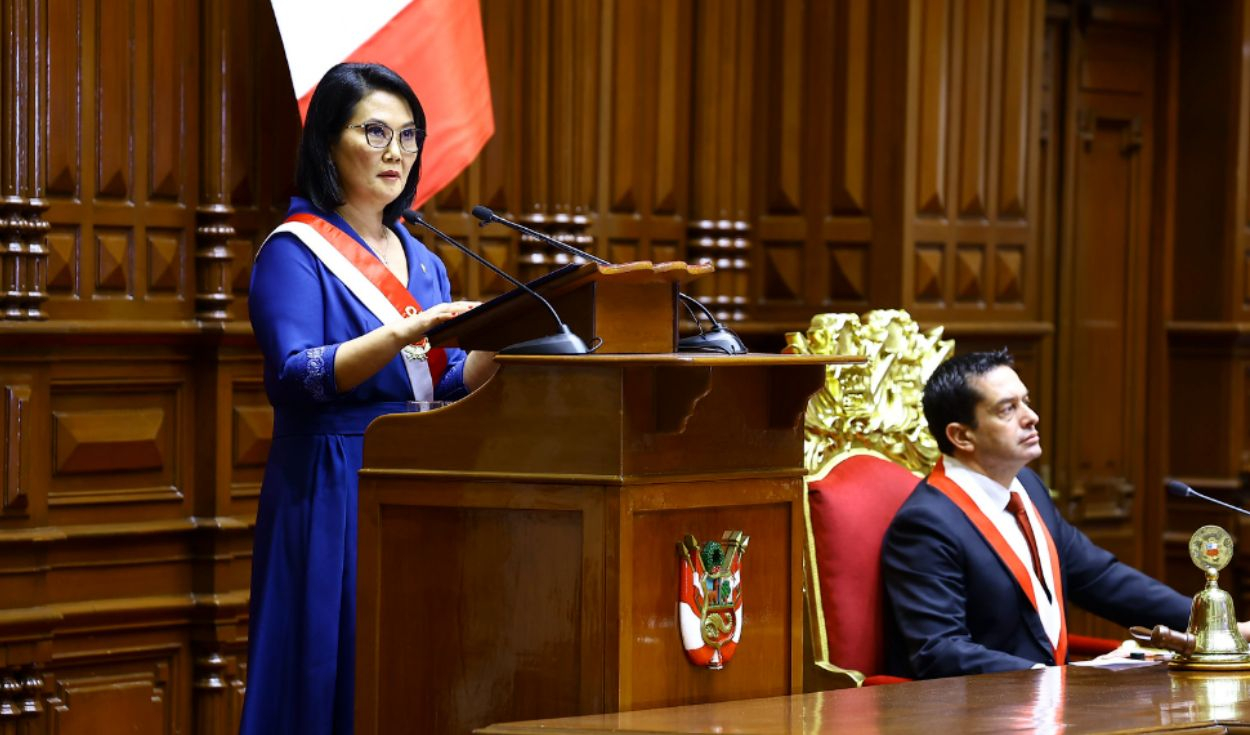
The Peruvian executive branch has prepared a draft request for delegated legislative powers to present before the unicameral Congress of the Republic in Lima. Legal analyst Emilio Noguerol Uceda warned that the document requires substantial corrections to avoid widespread unconstitutionality across subsequent legislative decrees.
Cabinet Minister Vinelli announced several days ago that the draft proposal is undergoing final revisions before submission to lawmakers. The document currently spans seven declared subject areas, more than 40 sub-clauses, and three final complementary provisions, creating what Noguerol described as a regulatory shock.
Writing in an analysis for Peru Legal, Noguerol, an administrative law scholar, stated that the broad scope of the text threatens to compromise all legislative decrees issued under its authority if Congress approves it without modifications.
Constitutional limits and subject specificity
Under Article 104 of the Peruvian Constitution, congressional delegation of lawmaking powers to the executive must satisfy a strict standard of specific subject matter. The executive branch in Peru periodically requests delegated powers from Congress to enact legislative decrees on specialized topics without undergoing full parliamentary debate.
Although the draft text declares only seven central axes, its detailed provisions introduce unannounced sectors including the environment, protected natural areas, natural resources, mining, hydrocarbons, electricity, water resources, the financial system, personal data protection, cultural heritage, road tolls, and judicial and constitutional processes. Noguerol cited constitutional scholar Pedro Grández, who previously warned in this newspaper that such structural delegation violates the constitution by turning executive decree-making into the primary rule of lawmaking rather than an exceptional measure.
The draft proposal also touches upon matters that the constitution reserves exclusively for organic laws passed by Congress. Under Peruvian constitutional law, organic laws require an absolute majority vote in the legislature to regulate constitutional rights, state institutions, and natural resource allocation.
Article 66 of the Constitution specifies that rules governing natural resource usage and concession grants to private entities, such as mining concessions, require organic laws. Similarly, Article 200 reserves regulations on constitutional guarantees, including amparo and habeas corpus petitions, for organic legislation. Because Article 104 explicitly prohibits delegating matters reserved for the congressional Standing Committee, which includes organic laws, Noguerol noted that any decrees issued on unmentioned or non-specific topics would face judicial challenges for exceeding delegated authority.
Exemption from public consultation and regulatory analysis
The final section of the draft proposal seeks to exempt legislative decrees and their implementing regulations from early agenda requirements, public consultation, and Regulatory Impact Analysis (AIR). The proposal also seeks to repeal Legislative Decree 1565, which established Peru's Regulatory Impact Analysis framework to evaluate the social and economic effects of regulations before enactment.
By omitting a defined deadline for producing implementing regulations, the draft creates an indefinite exemption from evidence-based decision-making and administrative efficiency mechanisms. Eliminating public consultation on major regulatory reforms violates the constitutional right of citizens to participate in public affairs.
Noguerol emphasized that internal reports and explanatory statements offered by the executive as substitutes are internal proponent documents that cannot collect external feedback or objections. He highlighted the contradiction of claiming to improve regulatory quality while bypassing modern oversight tools designed for that purpose.
Omitting ex-ante evaluation mechanisms for measures involving forestry, water, mining, and protected natural areas that affect indigenous communities also violates prior consultation obligations. These obligations derive from Convention 169 of the International Labour Organization (ILO) and Peruvian Law 29785. ILO Convention 169 is an international treaty binding Peru to consult indigenous groups before adopting measures affecting their lands or rights. Bypassing prior consultation risks causing severe social conflict similar to the 2009 Bagua clashes, which resulted in 34 deaths after decrees were issued without consultation, and triggering international state liability.
Environmental rules and international legal obligations
The draft proposal further seeks to establish mechanisms allowing public entities to participate in constitutional lawsuits to which they are not original parties if judicial rulings could affect concessions, public-private partnerships, or contract-laws. Noguerol noted that altering constitutional procedural rules violates the prohibition against delegating organic law matters.
In environmental matters, the proposal introduces positive administrative silence and a presumption of veracity for environmental management instruments, while inverting the precautionary principle in protected natural areas. Under positive administrative silence, regulatory applications are automatically approved if an agency fails to act within a set timeframe. Noguerol warned that an environmental impact study approved due to administrative inaction remains unevaluated and useless.
Advisory Opinion OC-23/17 from the Inter-American Court of Human Rights defines environmental impact evaluations as a mandatory state obligation of prevention rather than an administrative procedure subject to tacit approval. The Inter-American Court, based in San Jose, Costa Rica, is the principal judicial body enforcing the American Convention on Human Rights, and its rulings are binding on Peru.
The proposal also restricts state authority to review or revoke environmental permits when new information or subsequent damage emerges. Requiring scientific certainty before restricting activity allows operations to continue during uncertainty, contradicting environmental protection standards. Noguerol referenced the 2024 Inter-American Court ruling in Habitantes de La Oroya v. Peru, which ordered the state to strengthen environmental protection frameworks and oversight capabilities following severe industrial pollution in the Andean mining town of La Oroya. Reversing these standards would create compliance issues with the international judgment.
Regarding urban environments, the proposal introduces automatic approval and positive silence for construction on public spaces protected under Law 31199 as essential elements for urban quality of life. Noguerol questioned whether this measure aims to harm citizens by stripping away public land enjoyment.
Penal system reforms and military involvement in prisons
In security matters, the draft seeks to delegate legislative power over the entire criminal justice system, including substantive penal law, criminal procedure, and sentence execution, alongside military and police regulations, without identifying specific laws to be amended. The document enables the Armed Forces to direct penitentiary facilities.
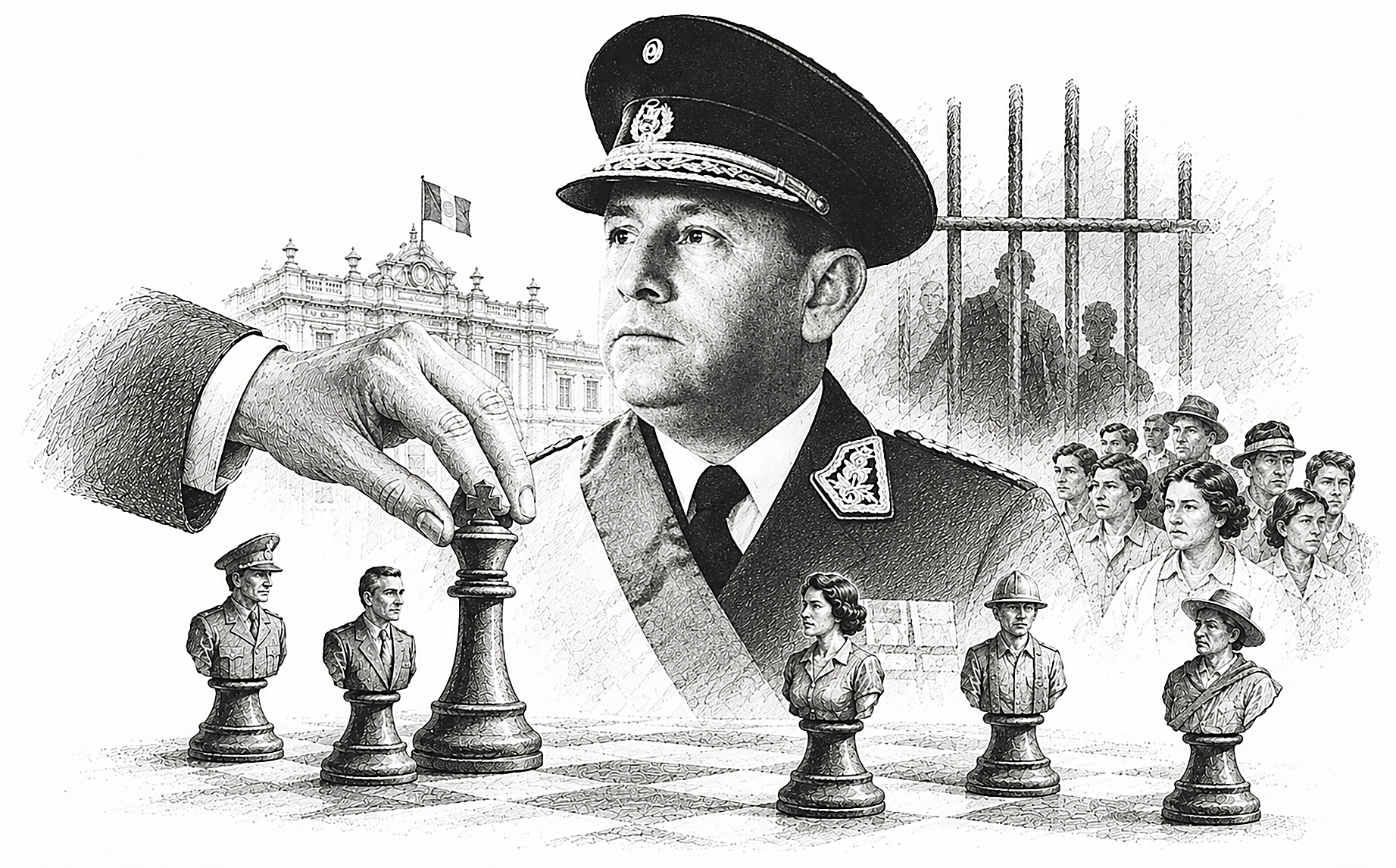
Outside declared states of emergency, internal public order falls under the National Police of Peru, while prison custody belongs to the civilian National Institute of Penitentiary Administration (INPE). Noguerol recalled that the Inter-American Court condemned Peru in the Neira Alegria et al. case in 1995 and the Durand and Ugarte case in 2000 after military forces assumed control of prison facilities, leading to extrajudicial executions during the suppression of prison riots in 1986.
The draft proposal also allows private sector participation in prison management through public-private partnerships and private investment promotion mechanisms. Noguerol warned that while private management might seem attractive to professionalize administration, contracts tying private compensation to prison occupancy rates create incentives that counter the resocializing purpose of criminal sentencing during structural overcrowding.
Noguerol concluded that while the draft is not unconstitutional in its entirety, the enabling law fails specificity standards under Article 104, covers organic law subjects, and removes vital public consultation mechanisms. He suggested the executive framed the broad proposal to project reform capacity and political resolve, but its success relies on congressional cooperation, allowing the administration to blame opposition lawmakers if promised reforms falter.