

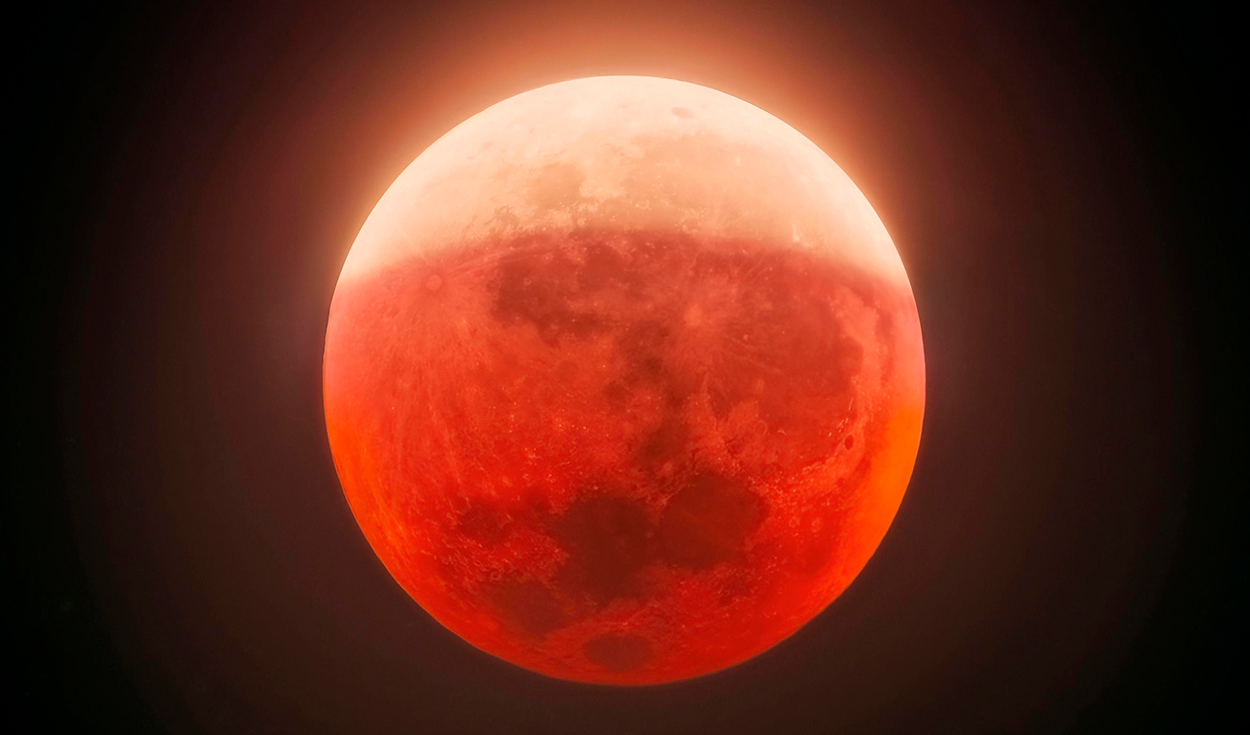
A deep partial lunar eclipse will darken and redden the full Moon on the night of August 27 to 28 across North America, South America, and Europe.
At the peak of the event, about 96.2 percent of the lunar disc will sit inside Earth's darkest shadow, known as the umbra. Although the event falls just short of a total eclipse, its magnitude makes it the deepest partial lunar eclipse visible worldwide until a total lunar eclipse occurs on December 31, 2028.
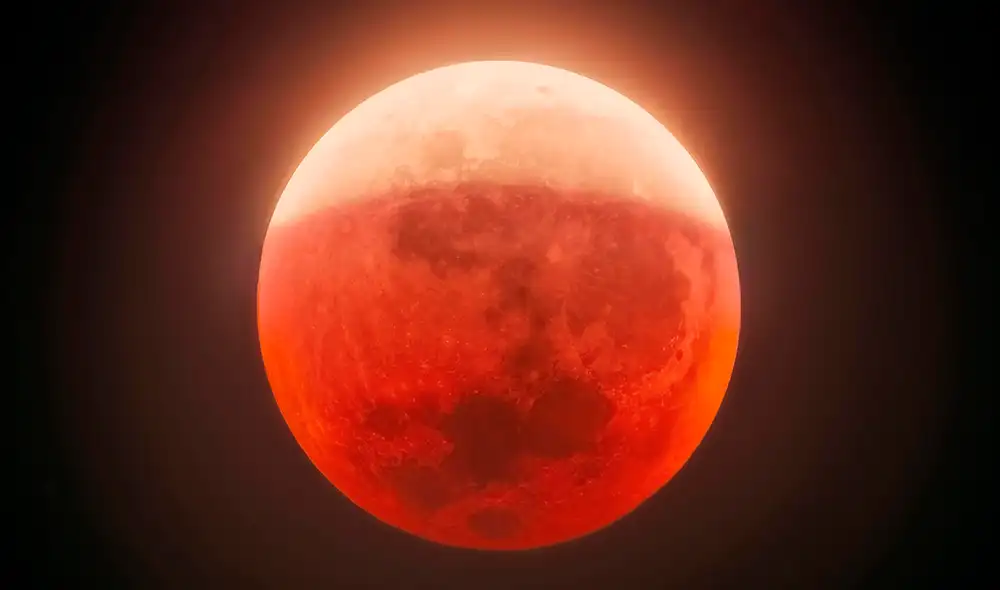
As the Moon enters the umbra, it will acquire a copper or reddish hue, a phenomenon popularly referred to as a Blood Moon.
The reddish tone is caused by Earth's atmosphere during an alignment where Earth passes directly between the Sun and the Moon. Sunlight passing through Earth's atmospheric envelope loses shorter wavelengths, such as blue light, through atmospheric scattering. Longer red wavelengths penetrate the atmosphere and refract toward the lunar surface. Atmospheric conditions, such as concentrations of dust, volcanic ash, and other airborne particles, can alter the intensity and exact shade of red.
Viewing schedule across the Americas and Europe
Skywatchers will not need protective glasses or special equipment to observe the event, as looking directly at the Moon is entirely safe. Visibility will depend primarily on local weather conditions and whether the Moon remains above the horizon during major phases.
In Peru, the initial penumbral phase begins at 8:23 p.m. local time on Thursday, August 27, followed by the start of the partial phase at 9:34 p.m. Maximum coverage occurs at 11:13 p.m. when most of the lunar disc lies within the shadow. The Moon will begin exiting the umbra at 12:52 a.m. on Friday, August 28, and will clear the penumbra completely at 2:03 a.m.
In Argentina, timing varies slightly depending on location. In Buenos Aires, the penumbral phase begins at 10:24 p.m. on August 27, with entry into the umbra starting at 11:33 p.m. The eclipse reaches its peak at 1:13 a.m. on August 28 with coverage near 93 percent of the disk. The Moon exits the umbra at 2:52 a.m. and ends the penumbral phase at 4:01 a.m.
In Europe, the eclipse takes place mainly before dawn. Observing opportunities will depend on geographic location and the time the Moon sets below the horizon.
Observation tips and live stream broadcasts
While binoculars or a telescope offer a clearer view of Earth's shadow creeping across lunar surface features, unassisted viewing is sufficient. Experts recommend choosing a location with a clear horizon and low light pollution for the best viewing experience.
For those unable to watch the eclipse outdoors, live online video feeds will broadcast the event, including a stream hosted by the astronomical tracking platform Time and Date.


