


Spanish Transport Minister Óscar Puente has come under fire after claiming the Royal Household erred gravely over King Felipe VI meeting a controversial journalist.
Former Socialist politician Tomás Gómez accused the minister of devaluing the Spanish political system and risking the stability of democratic institutions to settle personal grievances.
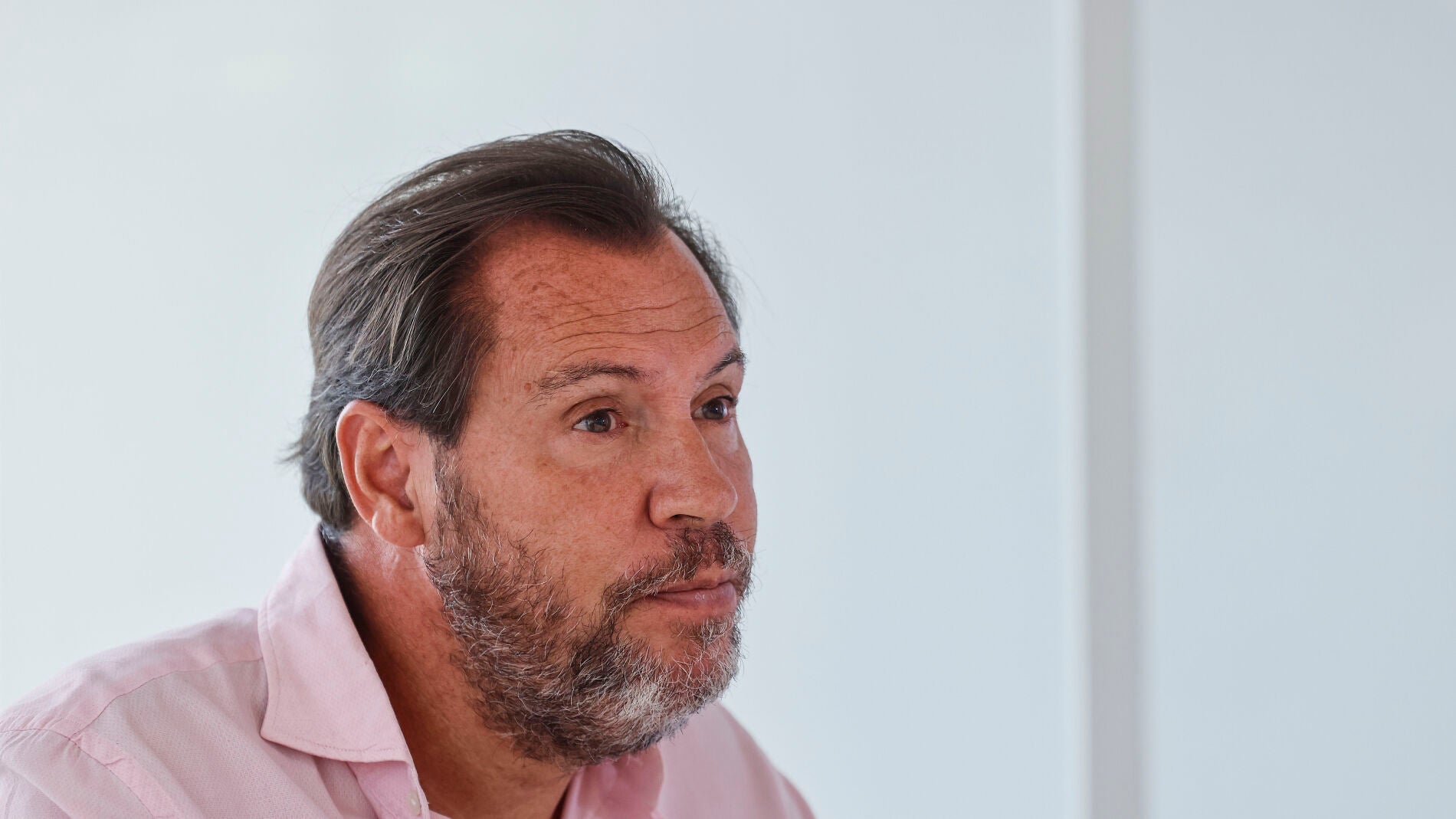
The dispute arose after Puente publicly criticized a photograph showing King Felipe VI alongside journalist Javier Negre during a recent event.
Puente initially described the photograph as an ignominy before expanding on his criticism two days ago. He stated that the Royal Household had erred gravely and remarked that the head of state he envisioned would not touch Negre even with a stick.
The transport minister also acknowledged during his public comments that relations between Spain's Royal Household and the government were tremendously delicate.
Minister accused of personal grudge
Writing in an opinion article on Thursday, Gómez argued that Puente lacked the political and intellectual solvency required for a member of the Council of Ministers.
Gómez stated that the minister lacked intuition regarding the gravity of holding a cabinet portfolio. He added that Puente confused left-wing ideology with using state institutions to settle private grudges.
The conflict stems from prior clashes between the minister and Negre. The journalist previously published photographs of Puente's daughter while she was a minor, alongside other actions described by Gómez as highly reproachable.
However, Gómez stressed that a government minister cannot transform a private grievance into a public standard for who is permitted to greet the monarch. He noted that a minister's personal enemies do not automatically become enemies of the state.
Constitutional role of the Spanish monarchy
Gómez warned that using personal disputes to erode fragile government relations with the crown risked initiating a wider campaign against the monarchy. Such a campaign, he wrote, would jeopardize the core pillars of Spain's political framework.
Addressing fellow social democrats, Gómez acknowledged the long-standing republican traditions held by sections of the Spanish left.
He emphasized that Spain's 1978 Constitution established a parliamentary monarchy, appointing King Felipe VI as the democratic head of state. Defending the monarch's institutional role is therefore a matter of upholding constitutional rules rather than taking a right-wing or left-wing political stance.
As head of state, Felipe VI represents all citizens, journalists, and organizations, including those that the government finds deeply unpleasant. Gómez added that the monarch is not required to interact only with individuals favoured by Puente, Prime Minister Pedro Sánchez, or the opposition People's Party.
Standards for democratic discourse
Gómez concluded that genuine democrats must maintain clear boundaries between political disagreement and constitutional representation.
He wrote that criticizing the government does not make a citizen an enemy of Spain, and criticizing the King does not outlaw a person from royal contact. Furthermore, having a dispute with a cabinet minister should not exclude anyone from Spain's public institutions.
King Felipe VI acceded to the Spanish throne in June 2014 following the abdication of his father, King Juan Carlos I. Under Spain's parliamentary constitutional monarchy, the sovereign acts as a neutral head of state. Óscar Puente serves as Minister of Transport and Sustainable Mobility in the cabinet of Socialist Prime Minister Pedro Sánchez, while Tomás Gómez previously served as secretary general of the Socialist Party of Madrid and mayor of Parla.


