


Osakidetza has treated 200 people for eye discomfort in the Basque Country following the total solar eclipse on August 12.
According to the Basque Department of Health, all cases registered so far are mild or very mild. The affected individuals suffered primarily from minor eye irritations that resolved without complications.
Health spokespersons for Osakidetza explained that the reported eye issues required minimal medical intervention, with symptoms resolved at most through the application of eye drops. No serious eye injuries or lasting sequelae have been detected across the healthcare network.
Osakidetza is the public healthcare provider serving the Basque Country, an autonomous region in northern Spain. Viewing a solar eclipse directly without certified protective eyewear can expose eyes to severe radiation damage, but health officials stated that the low severity of reported cases indicates most spectators adhered to safety guidelines during the astronomical event.
Regional Consultation Breakdown
Regional newspaper El Correo reported that 71 patient consultations occurred between Friday and Saturday. Out of those consultations, 30 took place at primary care health centers, while 41 patients were attended to at hospital emergency services.
Patient distribution varied significantly across the three provinces of the Basque region. Bizkaia recorded the highest number of medical visits with 59 people treated, while Alava registered five cases. In Gipuzkoa, seven people sought medical care, with all of their cases handled entirely within primary care settings.
Medical consultations have arrived in a steady, staggered flow since the eclipse took place on August 12. Primary care and emergency services operated without experiencing sudden demand spikes or system saturation during the post-eclipse period.
Health Authority Assessment
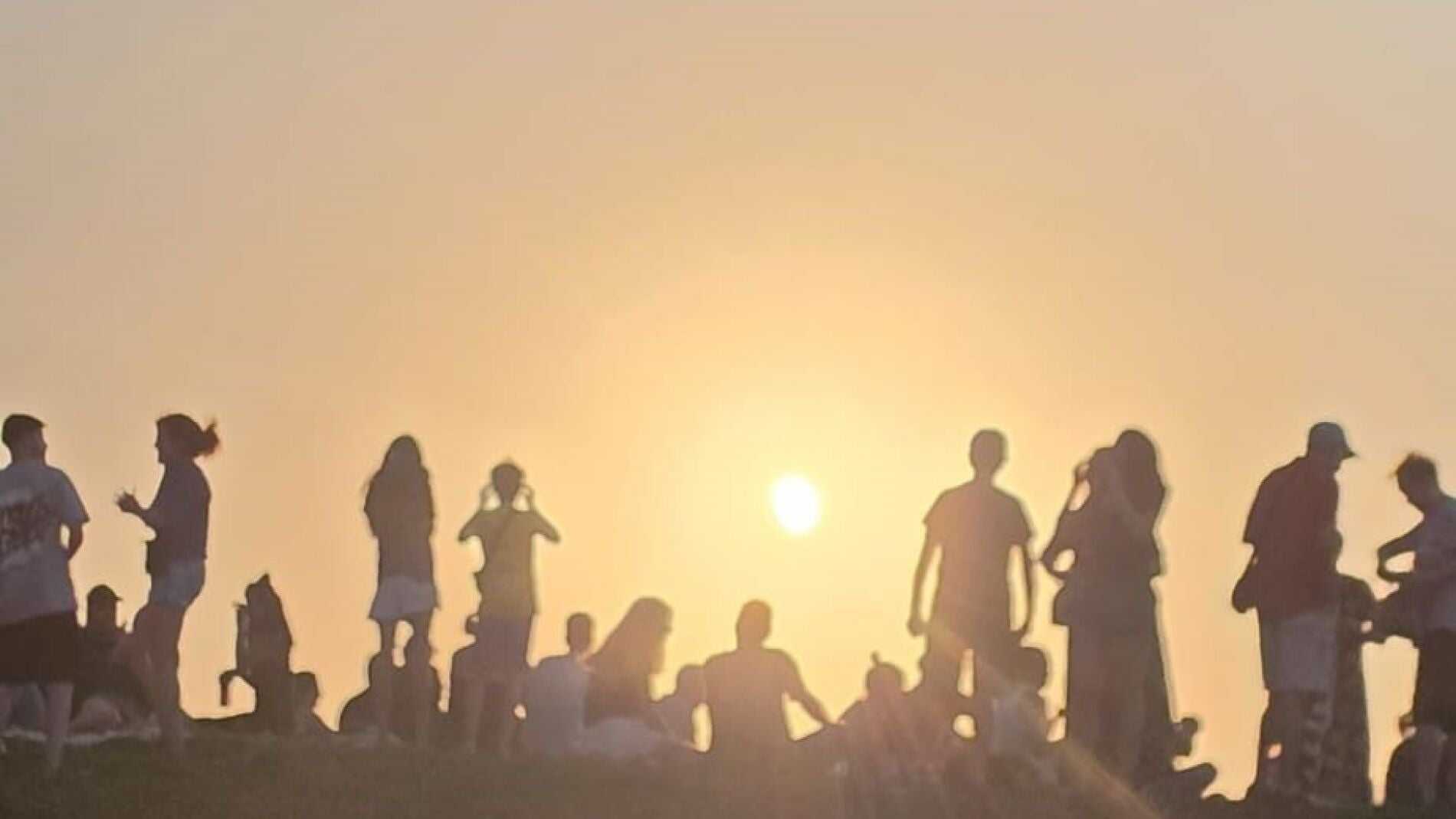
The Basque Department of Health described the overall consultation numbers as reasonable given the scale of the event. Thousands of residents and visitors gathered across the region to watch the total solar eclipse, creating a massive public turnout.
Health authorities highlighted that preventive public messaging was effective in preventing permanent eye damage. They noted that the public acted responsibly during the phenomenon, ensuring that the health impact of the eclipse remained minimal throughout the region.


