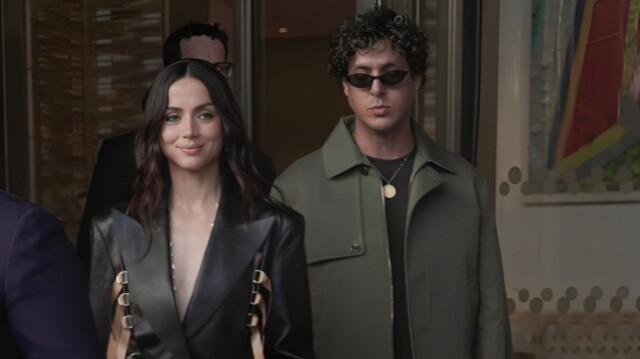
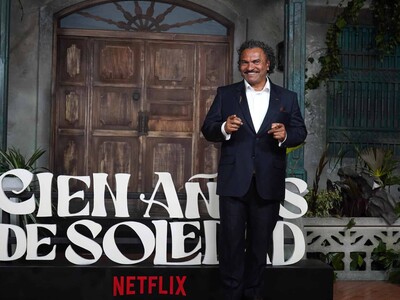
The second part of the Netflix television series One Hundred Years of Solitude premieres this Wednesday following a red carpet launch in Bogotá, Colombia, presenting a seven-episode portrait of the fall of Macondo and the end of the Buendía lineage.
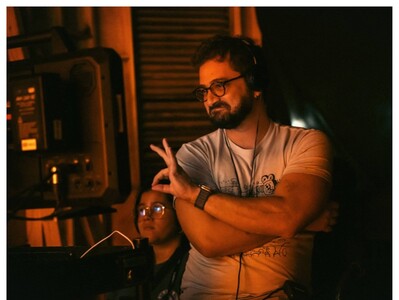
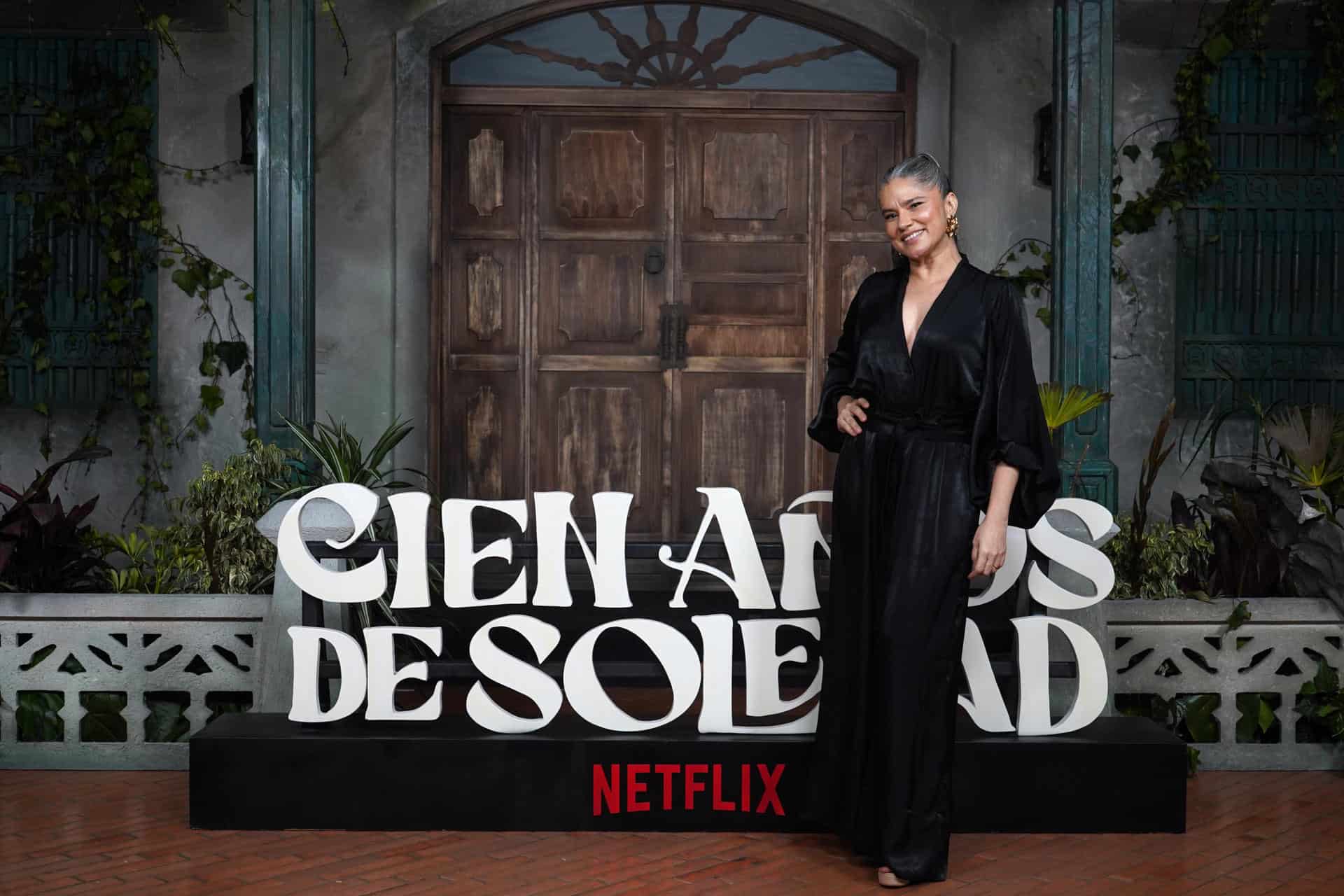
Lead director Laura Mora and co-director Carlos Moreno joined cast members in the Colombian capital on Tuesday ahead of the release, with Mora describing the surreal experience of filming in a town constructed specifically for the adaptation.
Mora told news agency EFE during the premiere that it remained unbelievable to the production team that they had brought the ambitious screen project to fruition, adding that every day spent working on the custom-built set felt surreal.
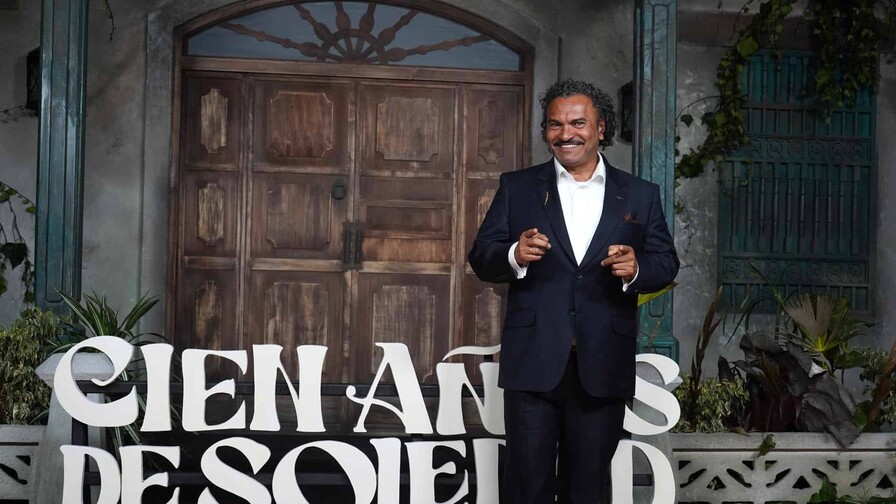
The first installment of the series achieved global success by depicting the origins of the story, following cousins José Arcadio Buendía and Úrsula Iguarán as they marry against the wishes of their superstitious parents.
Their union triggers a tragedy that forces the couple to flee their home accompanied by friends, wandering for months between the mountains and the coastal swamps before founding the mythical village of Macondo.
Author Gabriel García Márquez published the landmark novel in 1967, weaving real Colombian history with fantastical elements to create the literary masterwork that helped secure his 1982 Nobel Prize in Literature. The Netflix adaptation represents one of the streaming platform's most ambitious Spanish-language projects, bringing to life a narrative long regarded as challenging to adapt for the screen.
The Fall of Macondo
The new seven-episode arc picks up the narrative with the signing of the armistice that ends the civil wars waged by Colonel Aureliano Buendía, followed by the arrival of the railroad to the isolated settlement.
The train opens the doors of Macondo to a foreign banana company, unleashing economic and social forces that ultimately precipitate the complete ruin of the town.
The narrative turn fulfills the haunting curse pronounced by matriarch Úrsula Iguarán, who warned that families condemned to one hundred years of solitude would not receive a second chance on earth.
Mora explained that while the Buendía family served as the primary protagonist of the first season, the second part focuses on Macondo itself as a social and political entity. She noted that the new episodes portray the arrival of foreign interests, rapid growth, and the complex societal problems brought by industrial capitalism.
Co-director Carlos Moreno observed that the narrative addresses fundamental social injustices through the lens of magical realism, warning that modern events often echo the tragic trajectory of the fictional town. Moreno told EFE that all Colombians should read the original book and watch the screen adaptation to reflect on its underlying historical message.
The arrival of foreign corporate enterprise depicted in the narrative reflects historical industrial shifts in early 20th-century Colombia. In literary traditions, magical realism incorporates surreal and mythical occurrences into realistic settings without breaking the internal logic of the world.
Living Magical Realism
Actress Marleyda Soto faced one of the production's most demanding roles in portraying Úrsula Iguarán, the family matriarch who witnesses both the rise of Macondo and the ultimate demise of the Buendía line.
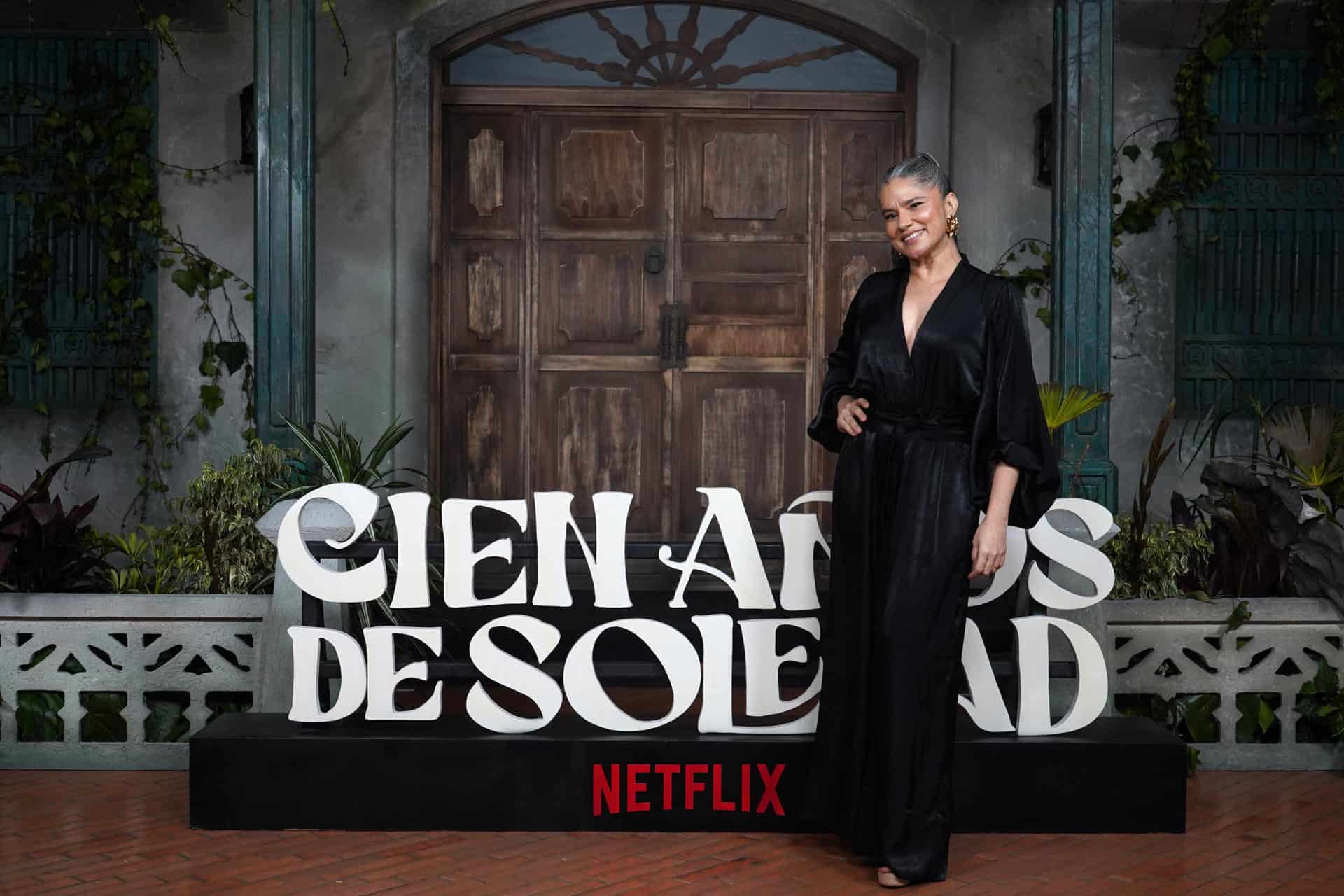
Soto explained that her character is now elderly and frail, struggling with the internal conflict of lacking the physical vitality required to protect her family and town from unfolding disasters.
Describing the filming experience as deeply moving, Soto told EFE that playing Úrsula gave her the opportunity to experience her own version of magical realism as an actress. She praised the artistic team for constructing the set of Macondo in a rural district of Tolima, a central Colombian department known for its agricultural valleys and terrain.
Actress Margarita Rosa de Francisco, who joins the second part as Fernanda del Carpio, emphasized that the series should be appreciated as an independent piece of art alongside the original novel.
De Francisco remarked that while García Márquez's writing remains an unattainable literary achievement that readers must experience for themselves, the television adaptation captures memorable moments of the book with poetic reverence and visual beauty.
The Series Finale
The current release leads directly into the final chapter of the adaptation, designated by the production team as the Grand Finale of the Colombian Nobel laureate's masterpiece.
Scheduled to arrive on streaming screens on August 26 under the title One Hundred Years of Solitude, the upcoming broadcast will bring a close to Netflix's multi-part visual interpretation of Macondo.