

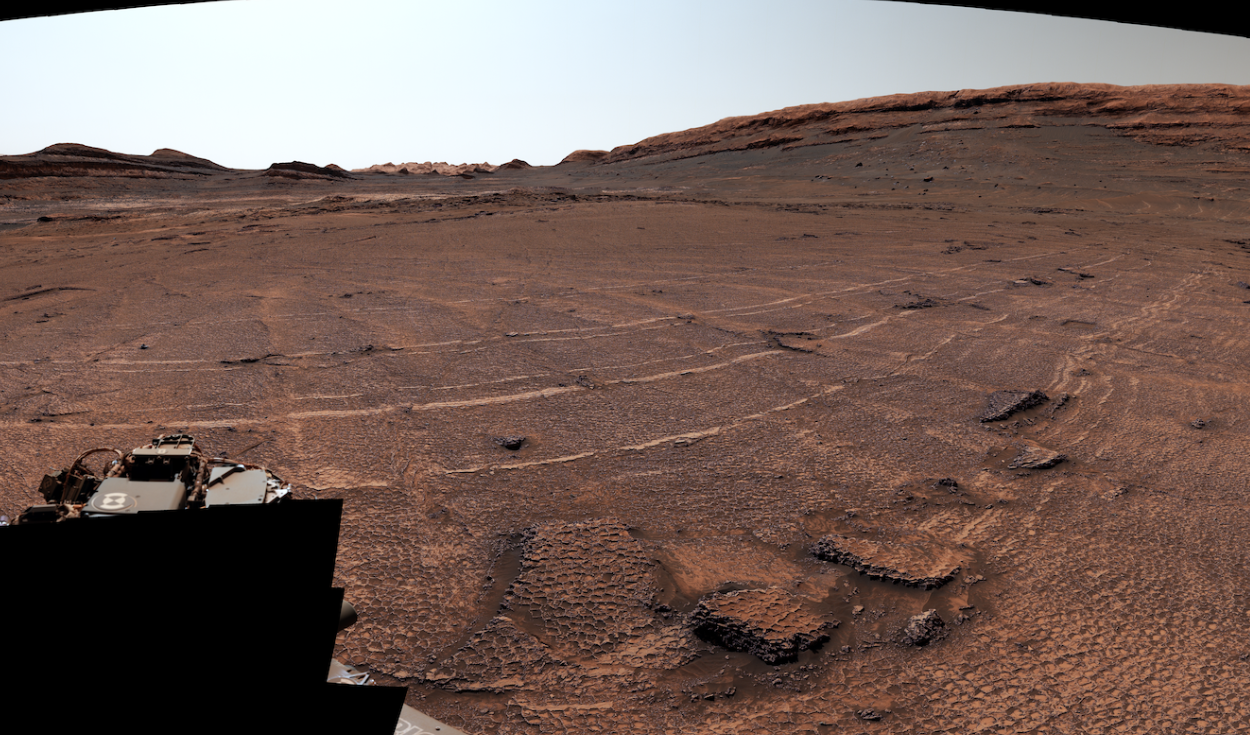
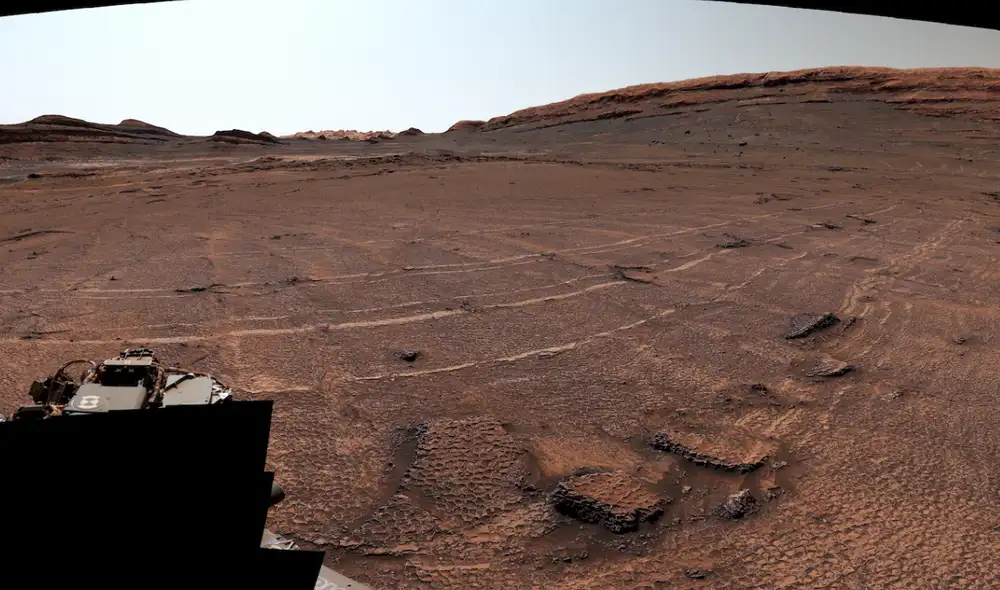
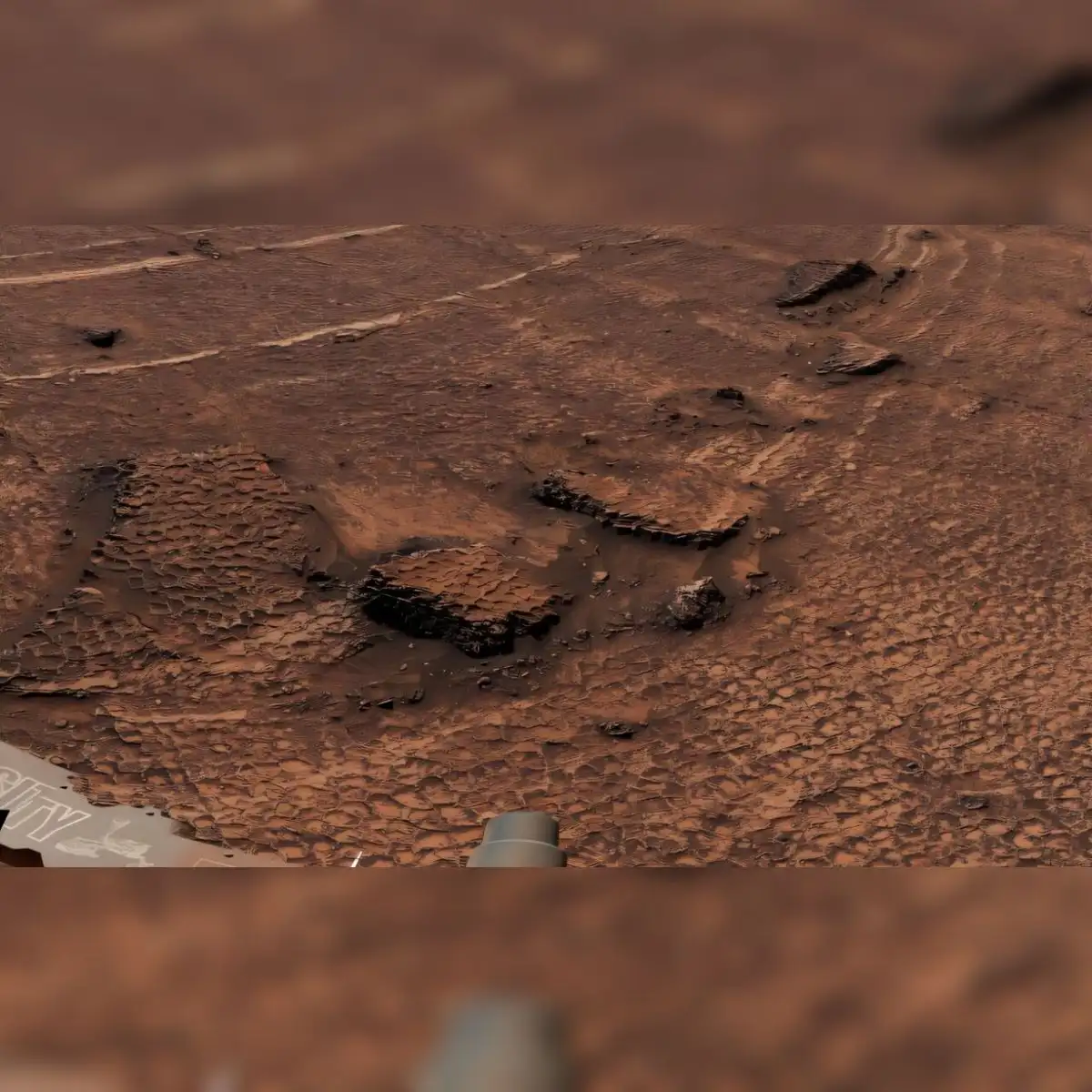
NASA's Curiosity rover has discovered a vast field of irregular polygonal structures featuring honeycomb textures inside Gale Crater on the surface of Mars.
The small geometric formations measure between four and eight centimeters in diameter, marking a novel terrain finding for the robotic vehicle in this type of Martian landscape.
Unlike Earth, where active plate tectonics and widespread volcanic activity constantly reshape terrain, the surface of Mars lacks these dynamic processes. As a result, the Red Planet preserves some of the oldest physical evidence in planetary history, maintaining landscape features formed billions of years ago.
The science team examining the landscape paid close attention to the irregular shapes and conducted detailed analyses of both the polygonal patterns and their chemical composition. Ashwin Vasavada, Curiosity mission scientist at NASA's Jet Propulsion Laboratory, highlighted the striking visual impression the polygon-covered terrain made on the research team.
Ancient desiccation cracks and climate cycles
Researchers believe the primary hypothesis for the origin of the polygons is a physical process similar to what occurs when mud loses water and cracks as it dries. This mechanism would indicate the presence of ancient surface moisture that evaporated over time.
This explanation aligns with a 2023 scientific study published in the journal Nature, which connected similar polygonal fracture patterns in Gale Crater to intense, repeating cycles of wet and dry conditions. Curiosity has been exploring Gale Crater since its landing in 2012 to investigate the environmental history of Mars.
The 2023 study proposed that certain desiccation cracks developed during the transition between the Noachian and Hesperian geological epochs, roughly 3.8 billion to 3.6 billion years ago. During this transitional era, climatic conditions on Mars may have been significantly more similar to those found on early Earth.
However, the science team responsible for the latest finding emphasized that additional data and further analyses are necessary before determining precisely how these specific polygons were created.
Comparison with orbital polygon observations
Scientists note that not all geometric structures on Mars necessarily share a single origin. Alternative formation mechanisms for Martian polygons include freeze and thaw cycles, tectonic stresses within the crust, or volcanic activity.
Geometric polygon networks are also known to exist elsewhere on Mars, though on a far larger scale. The High Resolution Imaging Science Experiment, known as HiRISE, mounted on NASA's Mars Reconnaissance Orbiter spacecraft since 2006, has identified giant polygon patterns measuring between 15 meters and more than 350 meters in diameter.
HiRISE has mapped these massive orbital polygons across several prominent Martian regions, including Hellas Planitia, Noachis Terra, and Margaritifer Terra.
Direct ground-level observations by Curiosity offer scientists a rare opportunity to examine small-scale polygonal patterns up close on the surface. Researchers can now compare these detailed surface fractures with the much larger formations observed from orbit, helping unravel the complex geological past of Mars.


