

Scientists backed by NASA have discovered that microgravity slows digestion and alters gut bacteria, explaining why astronauts frequently suffer from constipation in space.
The study, published in the journal Nature, analyzed more than 400 blood samples from 52 astronauts who spent over two months aboard the International Space Station between 2006 and 2018.

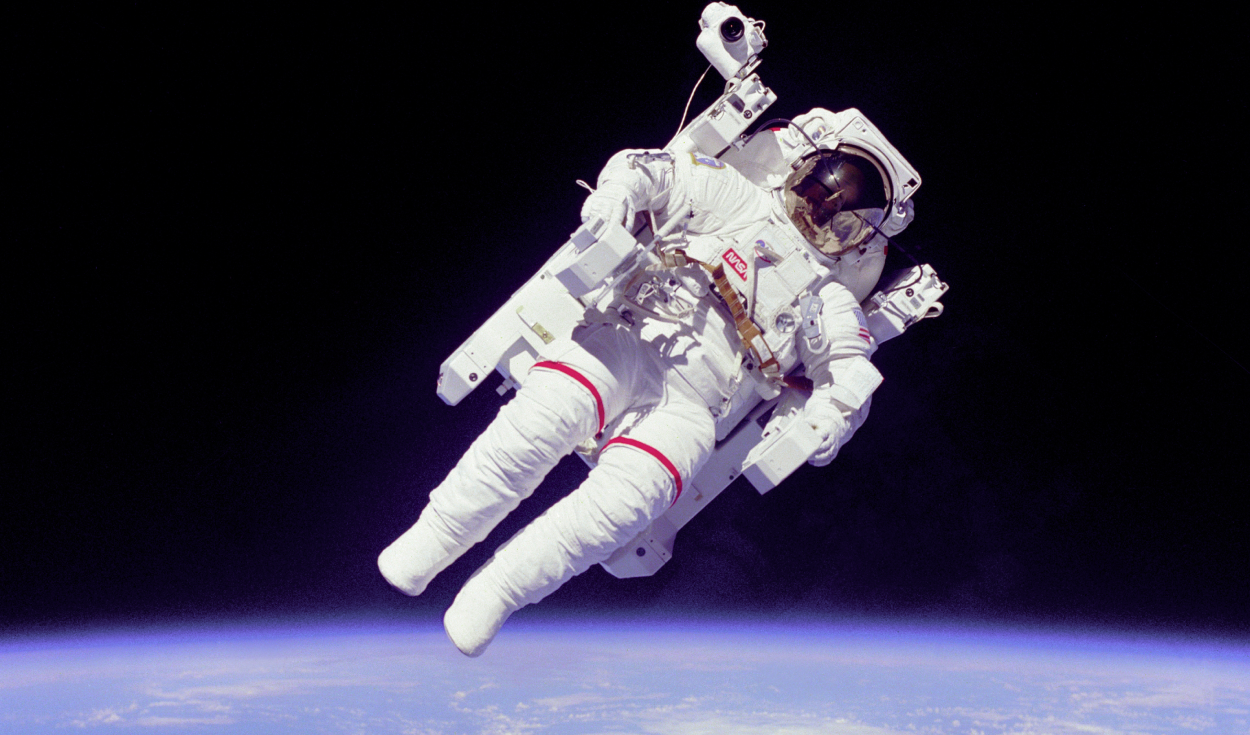
The International Space Station is a low-Earth-orbit research laboratory operated by international space agencies. In orbit, astronauts live in microgravity, a continuous state of weightlessness where gravity feels almost non-existent. This weightless environment alters how fluids and internal organs function compared to normal conditions on Earth.
Digestive changes in microgravity
Researchers concluded that the absence of gravity is the primary cause behind digestive slowdowns in orbit. Henrik Roager, a co-author of the study and head of the Microbiome group at the University of Copenhagen, explained that the lack of gravity probably causes food to move more slowly through the intestines. Roager said this delayed movement can favor constipation, a discomfort that several astronauts treat by using laxatives.
The research team examined whether changes in space station diets caused the digestive issues. Variations in caffeine, fish, and fat consumption accounted for less than a third of the observed changes in blood markers. Because dietary shifts played a secondary role, the authors identified microgravity as the predominant factor.
Protein fermentation in the gut
By examining metabolites, which are chemical compounds produced during biological processes in the body, the team identified 40 compounds linked to intestinal changes. The human gut microbiome relies on trillions of bacteria to digest nutrients. In space, these gut bacteria showed signals pointing to a higher fermentation of proteins than normal.
Giorgia La Barbera, a professor at the University of Copenhagen and first author of the study, said gut bacteria begin fermenting proteins to a greater extent than usual. La Barbera noted that this metabolic change appears a few weeks after arrival in space and can remain until astronauts return to Earth.
Under typical conditions on Earth, gut bacteria primarily rely on complex carbohydrates such as dietary fiber for energy. When microgravity slows intestinal transit, bacteria have more time to degrade carbohydrates. With carbohydrates depleted, the microbes turn to proteins as an additional resource.
Health risks for future Mars missions
The increase in protein fermentation creates compounds that could pose health risks during extended spaceflight. Lars Ove Dragsted, a co-author of the study, warned that certain products of protein fermentation have been associated with negative consequences, such as kidney damage, mood alterations, or reduced concentration capacity. Dragsted emphasized that these findings do not prove astronauts suffer from these problems through this mechanism, but they highlight potential long-term risks.
Among the compounds identified in the study were ammonia and hydrogen sulfide. Researchers consider these substances to represent a limited risk during standard missions, but warned that prolonged exposure could require preventive action.
Addressing these metabolic changes will be critical for future long-duration missions to Mars. To counter digestive issues on multi-year journeys, La Barbera suggested several preventive measures, including diets higher in fiber, probiotic supplements, and strategies to promote peristalsis, the wave-like muscle contractions that move food through the digestive tract, using massages or medication.


