
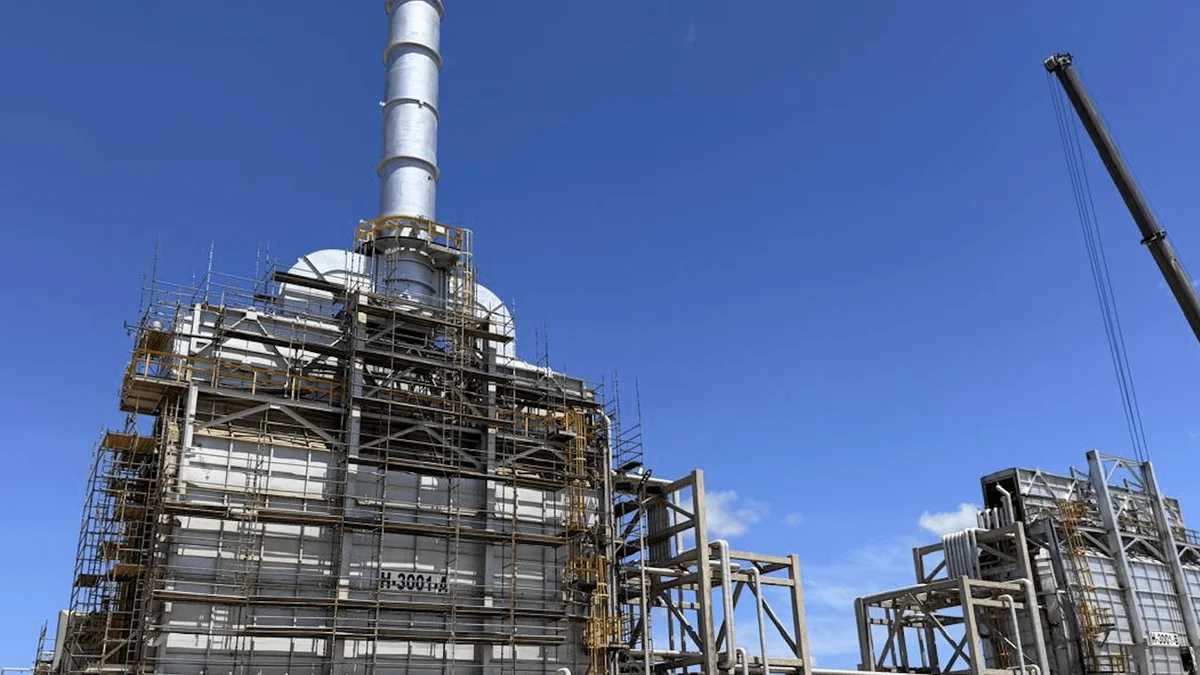
Energy producer North American Blue Energy Partners has restarted an Orinoco belt furnace, boosting its daily crude oil output by up to 10,000 barrels.
The recommissioning of the unit at the Zuata 2 installation within the Petrocedeño complex ended five years of inactivity. The company expects the furnace to generate between 8,000 and 10,000 barrels of oil each day.
Over a full year, that production translates into an additional 2.92 million to 3.65 million barrels of crude oil. At current market prices, the output from this single piece of equipment represents hundreds of millions of dollars in total value.
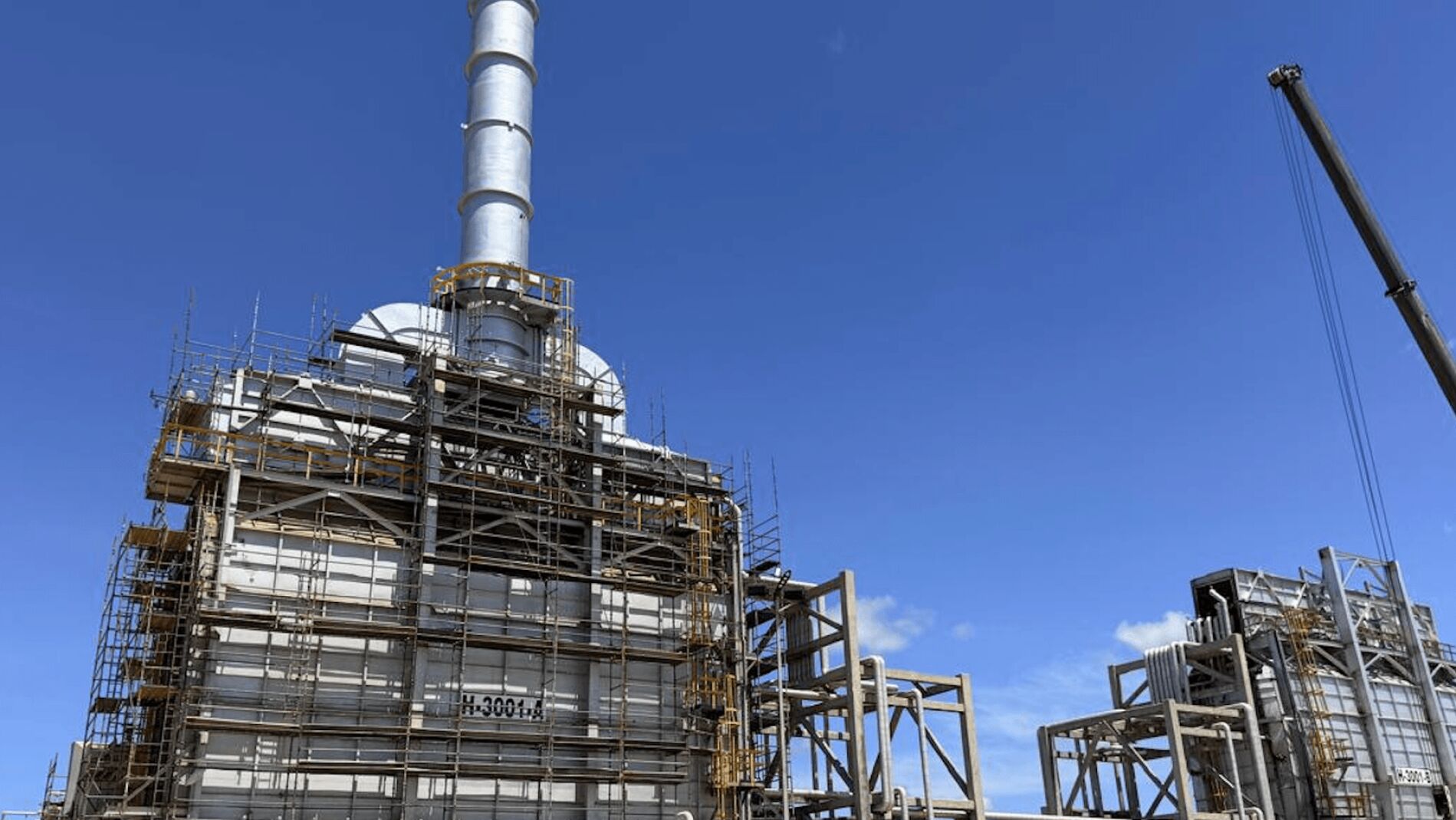
The furnace supplies one of the central processing lines at the Zuata 2 facility. Its primary industrial role is heating crude oil produced across the site until it reaches the specific temperature required for subsequent processing stages.
Crude emerges from underground deposits mixed with significant amounts of water. Commercial oil markets enforce strict quality thresholds requiring that petroleum sold to buyers contains less than 2 percent water, making thermal separation an essential operational requirement.
Nabep conducted technical inspections, mechanical testing and structural repairs before officially returning the furnace to active service on October 31. The restored processing line can now handle approximately 210,000 barrels of crude per day, creating room for sustained production expansion across the Zuata 2 site.
Technical Processing and Separation
Industrial furnaces of this kind serve a critical function in heavy oil extraction. Underground petroleum often forms tight emulsions with reservoir brine during extraction, as intense pressure and turbulence mix oil and water into micro-droplets that resist natural gravity separation.
Applying sustained heat lowers the viscosity of the heavy crude, breaks interfacial tension, and enables water droplets to coalesce and settle out in treatment tanks. Without sufficient heating capacity, crude cannot meet export pipeline standards or refinery reception criteria.
Pipelines and ocean tankers impose rigid limits on basic sediment and water because excess moisture increases transportation weight and accelerates internal pipe corrosion. Saltwater in unrefined crude also creates severe hazards during downstream distillation, where residual salts hydrolyze into hydrochloric acid that corrodes refinery units.
Alejandro Betancourt, the chief executive of Nabep, said that production capacity that had sat idle for years was functioning again in Venezuela thanks to the efforts of the company's team in the eastern part of the country.
Betancourt said that two years ago the company was producing about 18,000 barrels per day. He stated that this furnace helped add roughly half of that previous total to its overall volume, noting that improvements of this kind accelerated corporate growth and would put Venezuela back on track.
Orinoco Belt Reserves and Recovery
The Orinoco Oil Belt, situated along the northern banks of the Orinoco River in eastern and central Venezuela, holds the largest known concentration of hydrocarbon resources in the world. The basin spans roughly 55,000 square kilometers and is characterized by massive deposits of extra-heavy crude and natural bitumen.
Extra-heavy crude has high density and low API gravity, meaning it moves like thick syrup at surface temperatures. Handling these grades requires specialized surface upgraders, dilution systems, and dedicated heaters to keep the fluid moving toward coastal export terminals.
Petrocedeño is one of the premier joint ventures established in the Junín and Zuata sectors of the Orinoco basin. Originally constructed to pump extra-heavy crude and upgrade it into commercial grades, the complex has undergone extensive rehabilitation to restore operating capacity after years of infrastructure strain.
Venezuela holds the world's largest proven oil reserves, yet national production suffered steep declines over the past decade due to equipment deterioration and international trade restrictions. Reviving existing industrial units allows operators to recover throughput without the higher capital costs of drilling new fields.
United States Supply Agreement
Nabep reached a total production rate of 223,509 barrels of oil on October 19, up from 200,000 barrels per day recorded in August.
That August milestone arrived as Nabep finalized formal negotiations with the United States Department of Defense to increase Venezuelan oil production significantly. The initial one million barrels delivered under that bilateral arrangement arrived in Texas on October 27.
Refining complexes along the United States Gulf Coast in Texas are among the few worldwide equipped with heavy crude cokers designed specifically for Venezuelan oil. These facilities depend on heavy, sulfur-rich crude feedstocks to optimize their complex refining units and produce refined fuels.
Crude shipments departing terminals along Venezuela's Caribbean coast typically travel across the Caribbean Sea and the Gulf of Mexico, reaching deepwater ports and refining terminals in Texas within five to seven days. The geographic proximity of the two regions historically made Venezuela a natural crude supplier to Gulf Coast refining hubs before trade disruptions reduced bilateral flows.

Corporate Expansion and Production Targets
Nabep controls marketing rights to more than 65 billion barrels of proven P1 oil reserves in Venezuela. In petroleum classification systems, P1 reserves signify proven reserves with at least a 90 percent statistical probability of commercial extraction under current economic conditions and extraction methods.
Holding commercial access to 65 billion barrels of P1 reserves places Nabep in control of one of the largest certified hydrocarbon asset bases held by an independent operator in Latin America.
The company has set an operational target to produce more than one million barrels of oil per day by 2028. Reaching that milestone would establish Nabep as one of the dominant oil producers operating in the Western Hemisphere.
Over the past two years, the producer has raised its daily production from 18,000 barrels to more than 200,000 barrels per day. The expansion has been supported by one billion dollars of internal corporate investment directed into field infrastructure.
Capital expenditure in heavy oil provinces is heavily front-loaded toward equipment rehabilitation, power generation, and specialized processing infrastructure. Rebuilding field gathering networks, compressors, and thermal separation units requires substantial sustained funding to convert idle capacity into continuous daily commercial output.
The company maintains a direct workforce of 5,000 full-time employees in Venezuela and provides work to more than 10,000 additional workers through temporary service contracts across the region.