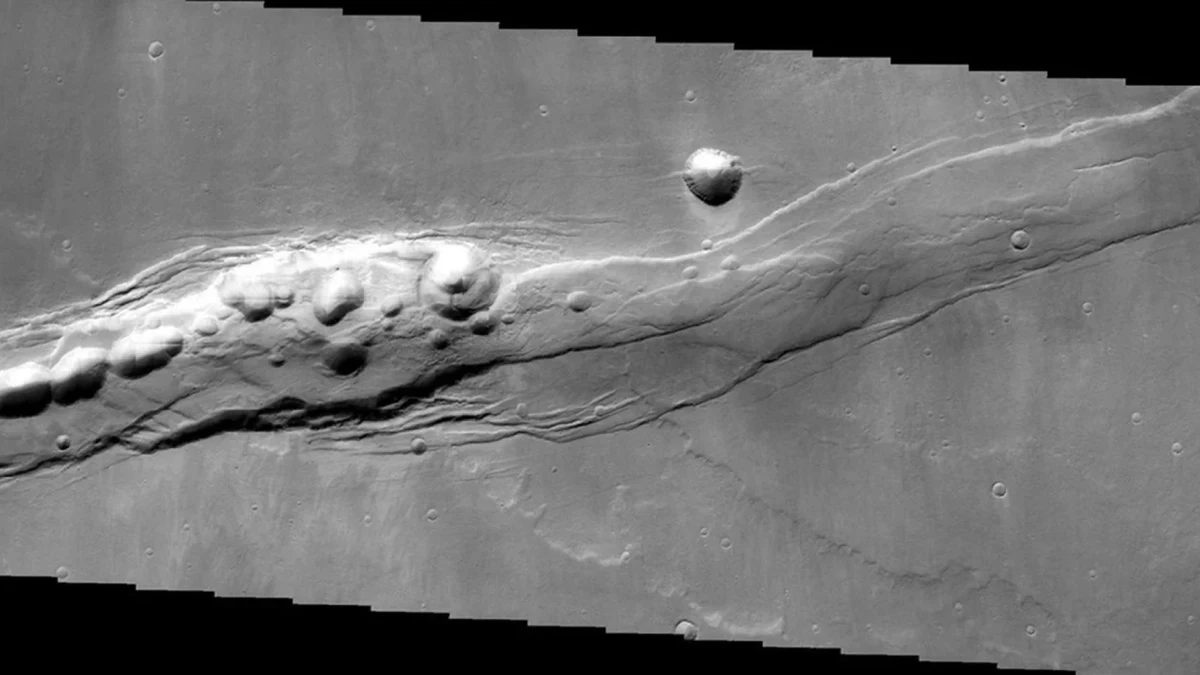
A study published in the journal Science Advances, with participation from the Institute of Astrophysics of Andalusia (IAA-CSIC) in Spain, has found that hydrogen chloride detected over the Martian volcano Alba Mons may be escaping from hot magma underground, raising the possibility that Mars is still volcanically active.
The hydrogen chloride was first detected in 2021 in the Alba Mons region. On Earth, that compound is known to escape from magmatic conduits, which prompted researchers to investigate whether the same process could be happening on the red planet.
Juan Alday, a researcher at the IAA-CSIC, said Mars has an extensive volcanic history, but cautioned that it is still not known whether that activity continues today. He said the new evidence opens a path to investigate the case further and determine what is actually happening on the volcano.
Alba Mons is one of the largest volcanoes on Mars, a planet long studied for its dormant but geologically rich volcanic past.
A seasonal anomaly
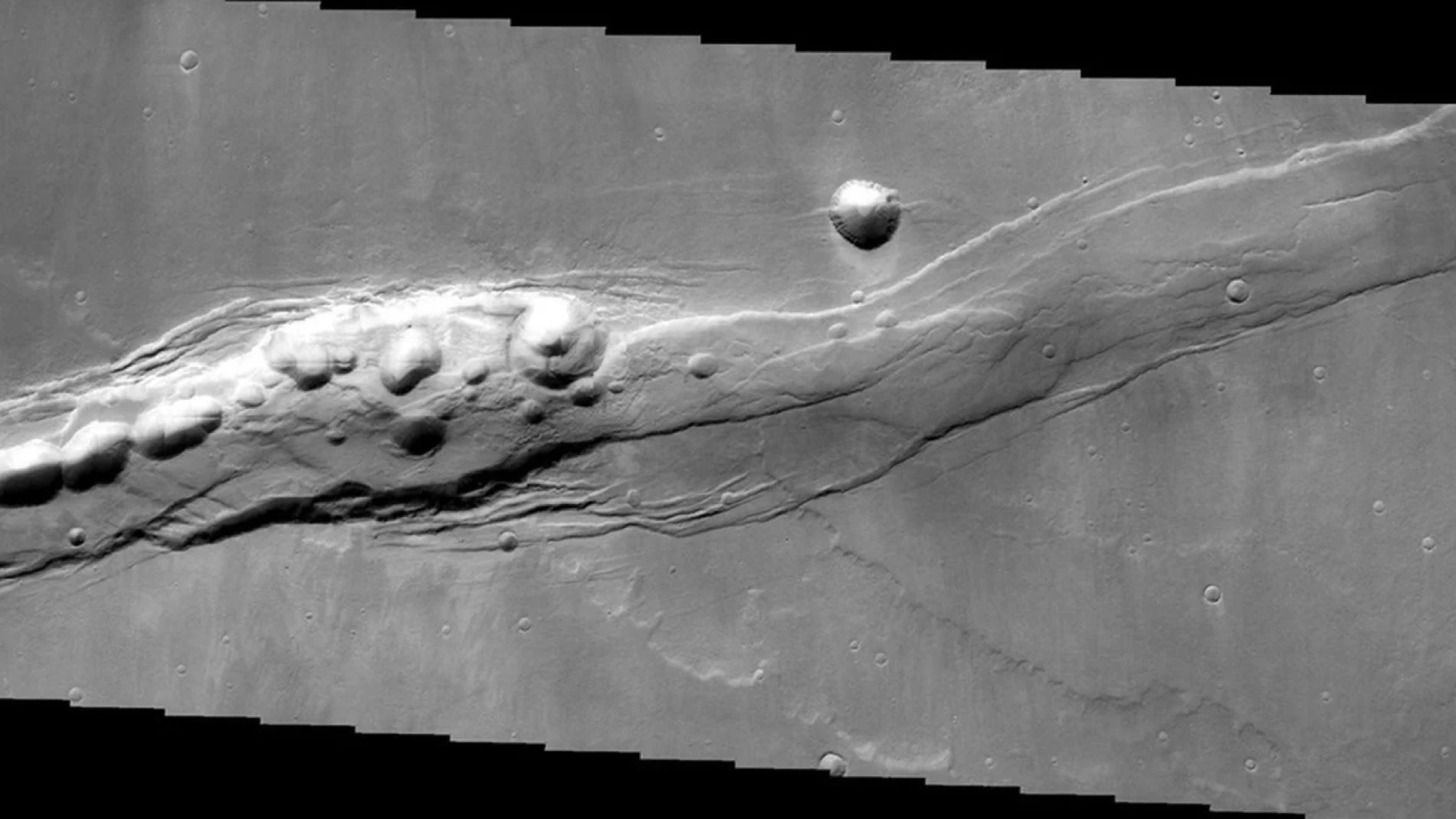
Everything points to this being an anomaly in the gas's seasonal cycle. By analysing how the gas changes over the course of the Martian year, the research team found that concentrations rise during the northern hemisphere's winter and fall to almost nothing in summer, a variation linked to the planet's dust and water cycles.
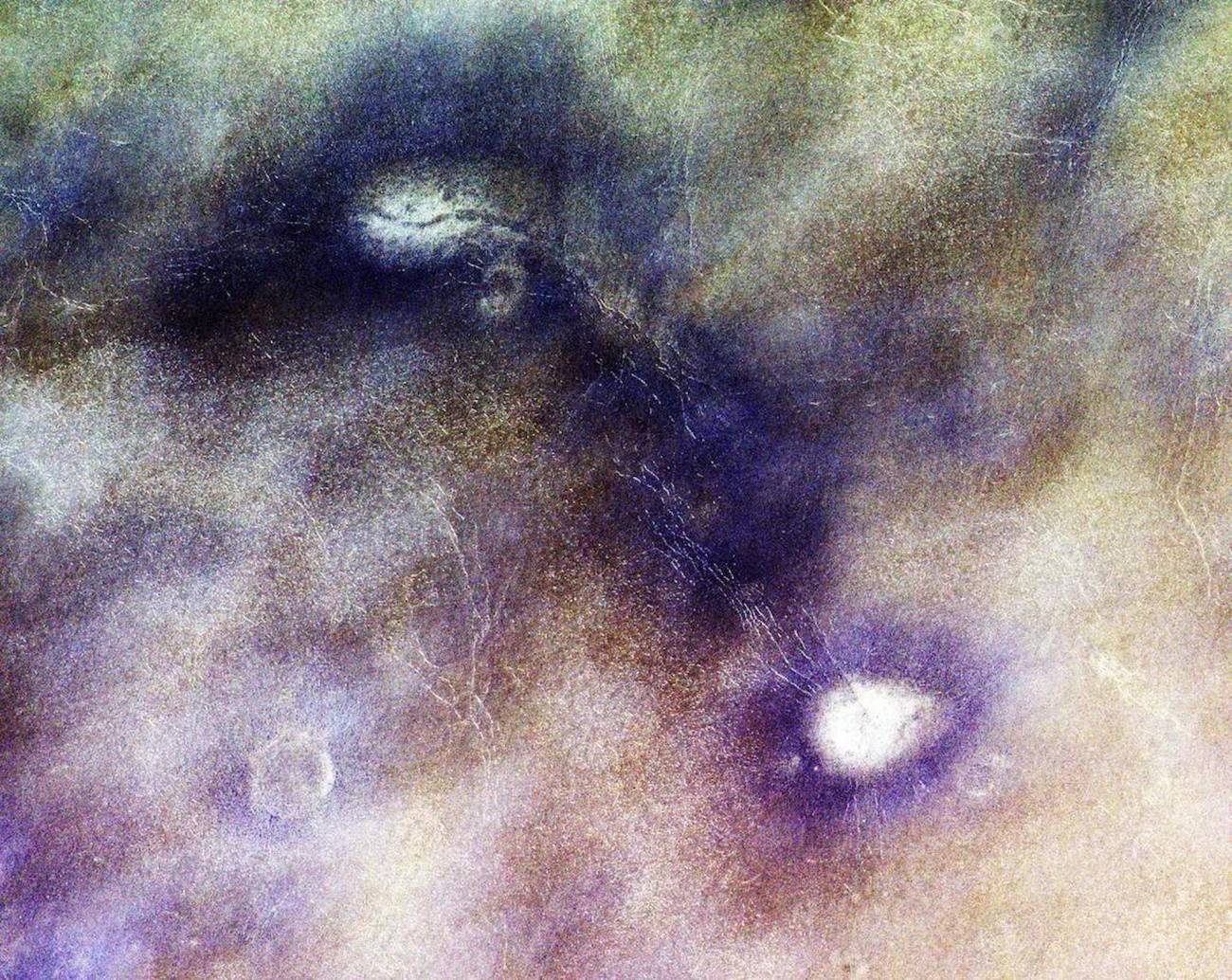
At the start of the northern hemisphere's summer, when dust is scarce and hydrogen chloride is normally absent, the gas appeared repeatedly over one specific zone of Alba Mons. To trace the source of this repeated signal, the team cross-referenced data from the Atmospheric Chemistry Suite (ACS) instrument with images from the CaSSIS camera, both carried on the same satellite, the Trace Gas Orbiter.
That comparison revealed narrow fissures on the slopes of Alba Mons, some hundreds of metres long, along with changes in the colour of the surrounding terrain.
Fissures and fumaroles
The research team proposes that these fractures act as outlets for gases from beneath the surface, possibly signalling the presence of magma rising through old volcanic conduits. Ice that accumulates in the cracks during winter, when temperatures on Alba Mons fall to around minus 120 degrees Celsius, would seal in the gas. When warmer temperatures return, the ice would sublimate and allow the gas to escape.
The colour changes seen in the fissures could be signs of deposits similar to those left by fumaroles on Earth, consistent with a case of latent volcanism, according to the team.
What happens next
The IAA-CSIC is leading new observation campaigns from Earth to search for compounds that would complement the hydrogen chloride signal, such as sulfur dioxide. That gas is currently difficult to detect, but researchers hope it will help them pin down the precise origin of the emissions coming from Alba Mons.
What happens next
The IAA-CSIC is leading new Earth-based observation campaigns to search for compounds such as sulfur dioxide that could help pinpoint the exact origin of the emissions.
Test yourself
What gas did researchers detect repeatedly over Alba Mons?
Which spacecraft provided the data used to study the gas and fissures?
What did researchers find on the slopes of Alba Mons using the CaSSIS camera?
Have your say
Do you think Mars is still volcanically active today?