


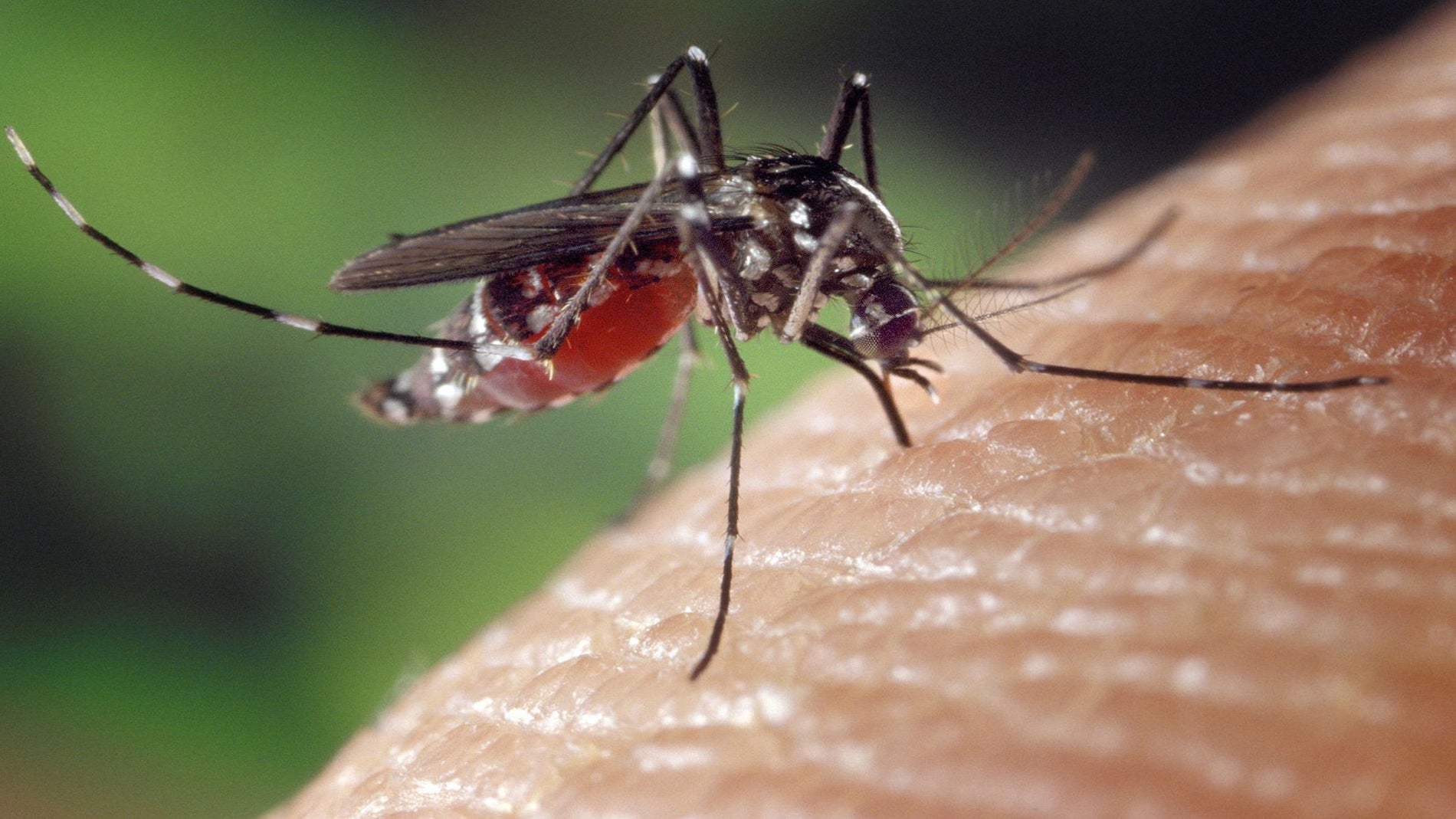
A laboratory experiment found that 2.09% of female Aedes aegypti mosquitoes survived a diagnostic concentration of the insecticide alpha-cypermethrin.
Zoologist Rohit Lakhwani said the survival rate is an early sign of possible resistance. Lakhwani and five other researchers published the findings in the journal Frontiers in Tropical Diseases.
The researchers exposed adult female mosquitoes to twelve different concentrations of alpha-cypermethrin. The diagnostic concentration was 10 micrograms per bottle, and the team recorded a mortality rate of 97.91% twenty-four hours later.
The research team considers a population susceptible if mortality is above 98%, and resistant if it falls below 90%. A value between 90% and 98% enters the zone of possible resistance and requires confirmation. The trial result sits just inside this border.
Laboratory colony origins
The researchers conducted the trial using a mosquito colony maintained in a laboratory in India. The population came from a strain obtained in 2009 and reinforced in 2017.
The mosquitoes had faced no recent pressure from insecticides. The authors requested further studies using field populations, noting that the laboratory origin limits extrapolating the results to the outside world.
The trial does not prove this survival rate would repeat in Spain, in the rest of India or in wild populations.
The researchers also calculated the concentrations required to kill 50% and 90% of the specimens. The mortality rate increased with the dose, reaching 100% at the highest concentration tested.
Biochemical defense response
The study analyzed five enzymes related to detoxification. The researchers found that beta-esterase provided the most striking response.
At the lethal concentration for half the population, beta-esterase activity increased from 11.14 to 238.59 nanomoles per minute per milligram of protein. This represents a 21.41-fold increase in activity.
The team combined bioassays, biochemical analysis and molecular docking simulations. They found that beta-esterase showed the strongest binding affinity with alpha-cypermethrin. An enzyme from the CYP450 group showed the second strongest affinity.
The researchers proposed that these proteins help the mosquito process the toxic compound. This mechanism helps explain how resistance could start before a product loses widespread effectiveness.
Lakhwani said the research does not state that the entire species is resisting the product, nor does it set a date for when the insecticide will stop working. He said the speed of resistance changes between populations and depends on insecticide use, the environment and local control practices.
Managing incipient resistance
The researchers noted that monitoring is valuable because incipient resistance can be managed before it spreads. They said rotating compounds and eliminating breeding sites reduces constant pressure on a single tool.
At home, limiting stagnant water matters more than arbitrarily increasing the use of products. The authors noted that heat favors mosquito activity, but temperature and resistance are different problems. Domestic measures to contain heat do not replace breeding site control or health monitoring.
The study authors said the finding presents an opportunity to act. Alpha-cypermethrin still killed almost the entire population subjected to the diagnostic dose. Biochemical resistance can reverse if the pressure from the compound disappears, provided the indiscriminate use of insecticides does not accelerate the problem.


