


The US Food and Drug Administration (FDA) has authorized Aletta, a robotic system that can locate a vein and carry out a blood draw almost entirely on its own, making it the first independent robot of its kind cleared for use in the United States.
Getting blood drawn is rarely anyone's favorite part of a medical visit, and finding the vein, placing the needle and filling several tubes has traditionally been a job left entirely to a trained professional. Aletta is designed to take over most of that process for adult patients.
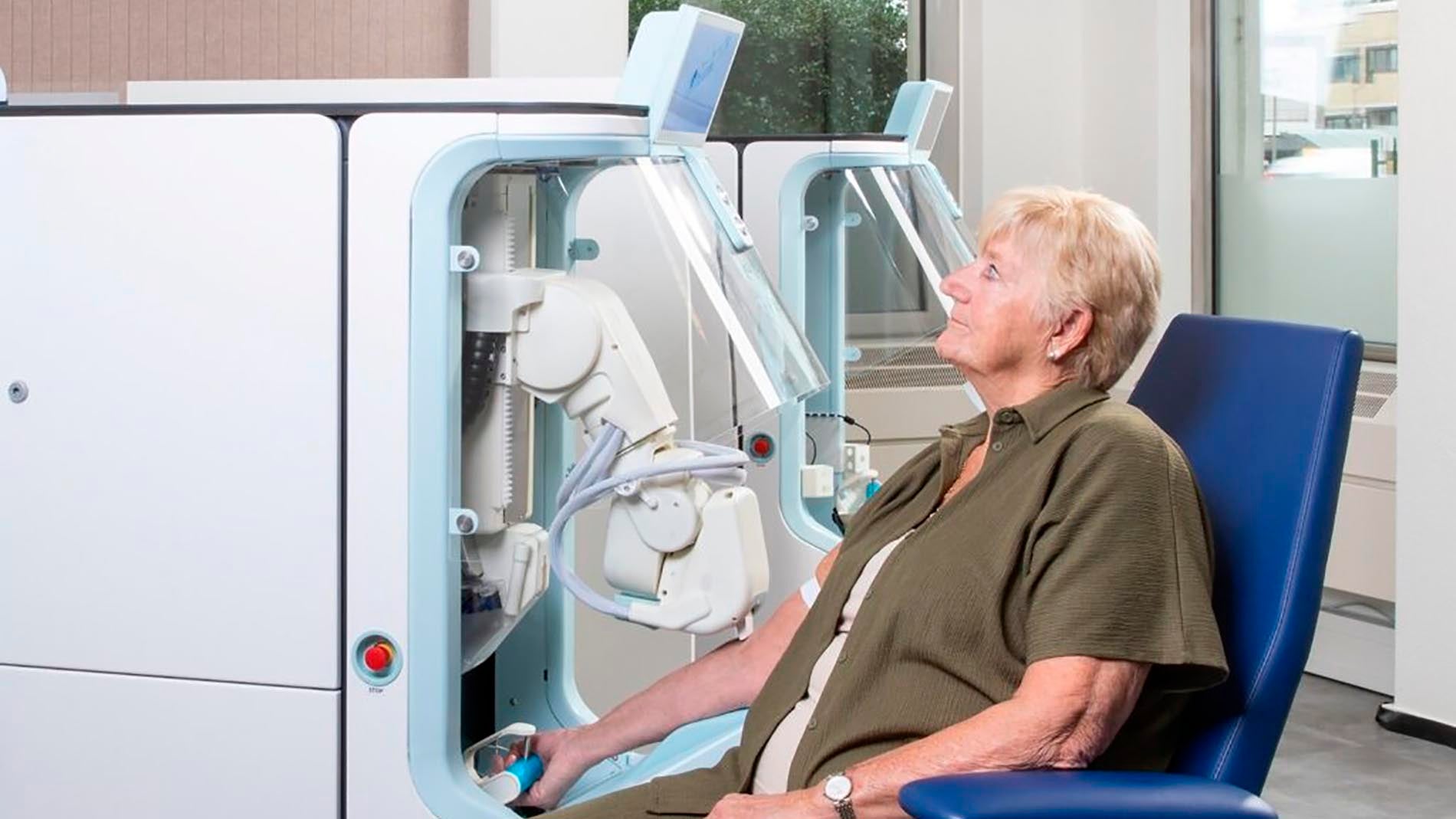
The robot can find a vein, apply the tourniquet, insert the needle, switch out the collection tubes and finish by applying a bandage, all without a person physically carrying out the procedure.
How the robot finds a vein
Before starting, Aletta tells the patient how to position their arm correctly. It then uses infrared light and ultrasound to locate a suitable vein and to confirm it is not mistaking a vein for an artery. If it cannot identify a safe point to puncture, it simply does not attempt the draw.
Once a vein is located, the system prepares the skin, applies the tourniquet and inserts the needle. It also removes and disposes of the needle afterward, changes the tubes as needed, and applies the bandage once the draw is complete. That level of autonomy echoes other recent developments in medical robotics, such as surgical robots that can now be operated remotely within the European Union.
According to the FDA, trials showed that when the robot successfully located a vein and attempted the draw, its accuracy rates matched or exceeded those achieved by trained professionals. In one of the published reports, Aletta achieved a successful first-attempt puncture in 94.5% of cases.
A trained professional must still supervise
Despite those results, the authorization does not allow a facility to install one of the robots and let it treat patients without anyone present. A professional trained in blood draws must start the procedure, supervise it throughout, and afterward confirm that the tubes have filled correctly.
The advantage, the FDA says, is that a single supervisor can oversee up to three of the machines at once. The agency believes this could help ease the current shortage of trained phlebotomists in the United States.
Built-in safety measures
Aletta also includes safeguards for moments when a patient becomes nervous or shifts position. If a patient moves too much during the draw, the needle automatically detaches and the procedure stops. Other sensors can halt the robot if they detect a situation judged unsafe.
Robotics is steadily moving into more everyday tasks. Some companies already offer humanoid robots that clean homes for 25 euros an hour, though letting a machine insert a needle into a vein likely demands a far greater level of trust from patients.
The FDA authorization marks only the first step. It may still be some time before Aletta becomes a common sight in medical centers across the United States.


