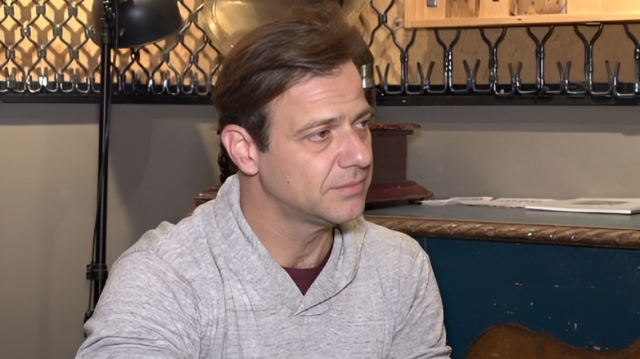
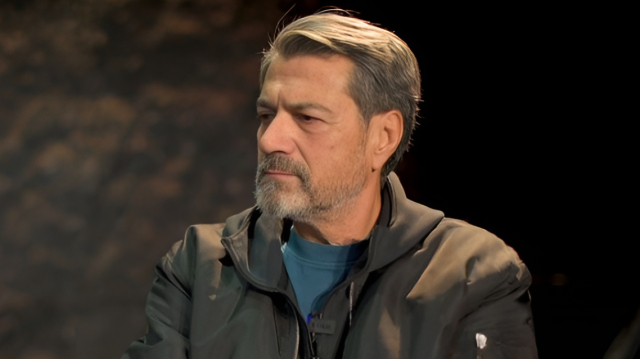
Greek actor Kostas Falelakis said meeting his partner, Minas Chatzisavvas, was the turning point that stopped him worrying about whether people could tell he was gay, crediting Chatzisavvas with lifting the shame he had carried.
Falelakis made the comments in an interview with the Greek television programme Studio 4, broadcast on Thursday, November 12, 2026. In the same interview he spoke about life after losing his partner and about how his family reacted when he decided to pursue acting.
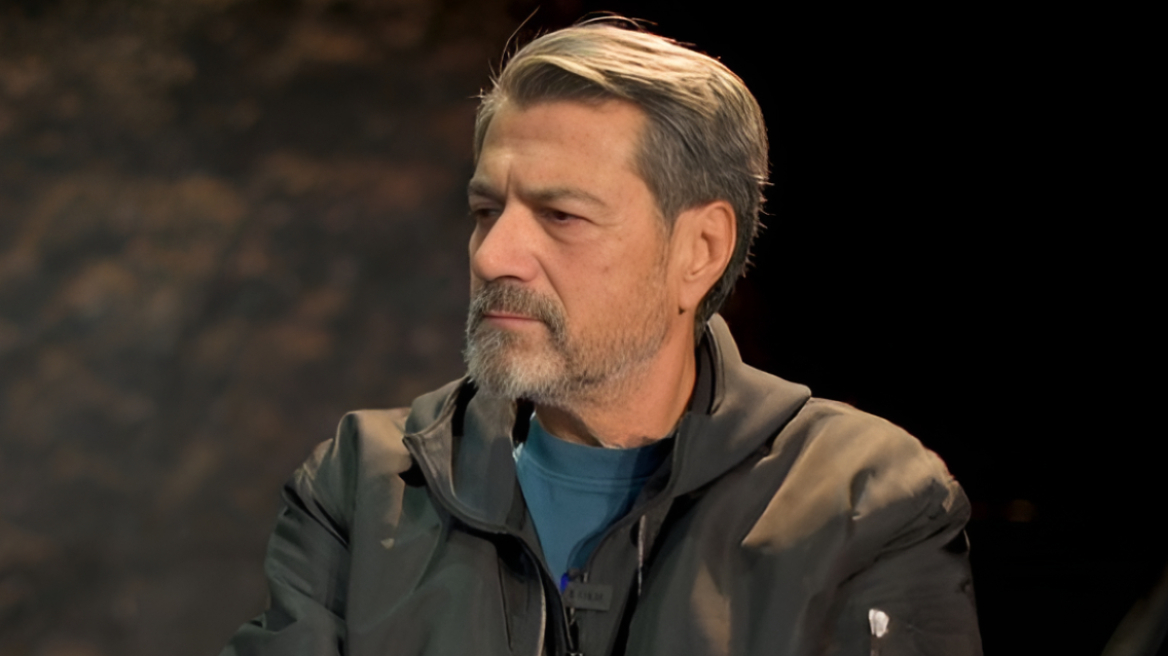
He explained that a certain masculinity he had carried earlier in life had kept other people from suspecting he was gay, and that he himself used to try to make sure it did not show. He said that after he met Chatzisavvas and moved to Athens, he stopped caring at all whether it showed, and started saying it openly himself. He said Chatzisavvas helped him enormously with this and took away the guilt he had felt.
Twenty-five years together, then loss
Falelakis and Chatzisavvas spent 25 years together before Chatzisavvas died, a loss Falelakis described as having felt unbearable at the time.
He recalled that, in his despair, he asked the poet Kiki Dimoula how an unlivable life could ever become livable again. He said she told him it would happen by itself, without him doing anything, and pointed out that she herself had gone on living 35 years after the death of her husband, the poet Athos Dimoulas, so he would survive too. Falelakis said her words proved true, and that life has mechanisms of its own for helping people cope, pointing to a line from Euripides's Orestes about how humans can endure anything, however much more hardship is sent their way.
Growing up in an isolated Cretan village
Falelakis also described his family's wish that he stay in Crete, where he grew up, to inherit the family's small property. He said he never told anyone he wanted to become an actor, and recalled growing up in what he called an almost medieval setting, in an isolated village with no electricity, no running water, no public transport and no cars.
He said that after he finished the third year of gymnasio, the Greek equivalent of secondary school, his father told him he should stay in the village to take over what little property the family had. He stayed a year, he said, before he could not bear it any longer.
Falelakis said he holds nothing against his parents, explaining that they loved him deeply and did what they believed was best for him. He said they were in a sense proven right, recalling that after he moved to Athens his father would ask on the phone whether he had found a job. When Falelakis replied that he had found work at a particular theatre on a particular production, he said his father answered that this was not a real job, only a hobby. He added that his parents lived long enough to see him perform on stage, though he said they were not especially proud of it.
"I am a very ridiculous person"
Falelakis closed the interview by saying that although he comes across as closed off and unapproachable, he is nothing like that in reality. He suggested this impression may explain why he is often cast on television as rough, intimidating characters, saying something about his appearance must suggest that.
He said that underneath, he is in fact a very gelios, or ridiculous, person, explaining that in Crete, when people want to say someone is funny, they say they are "very ridiculous." He said he accepts that description of himself.