

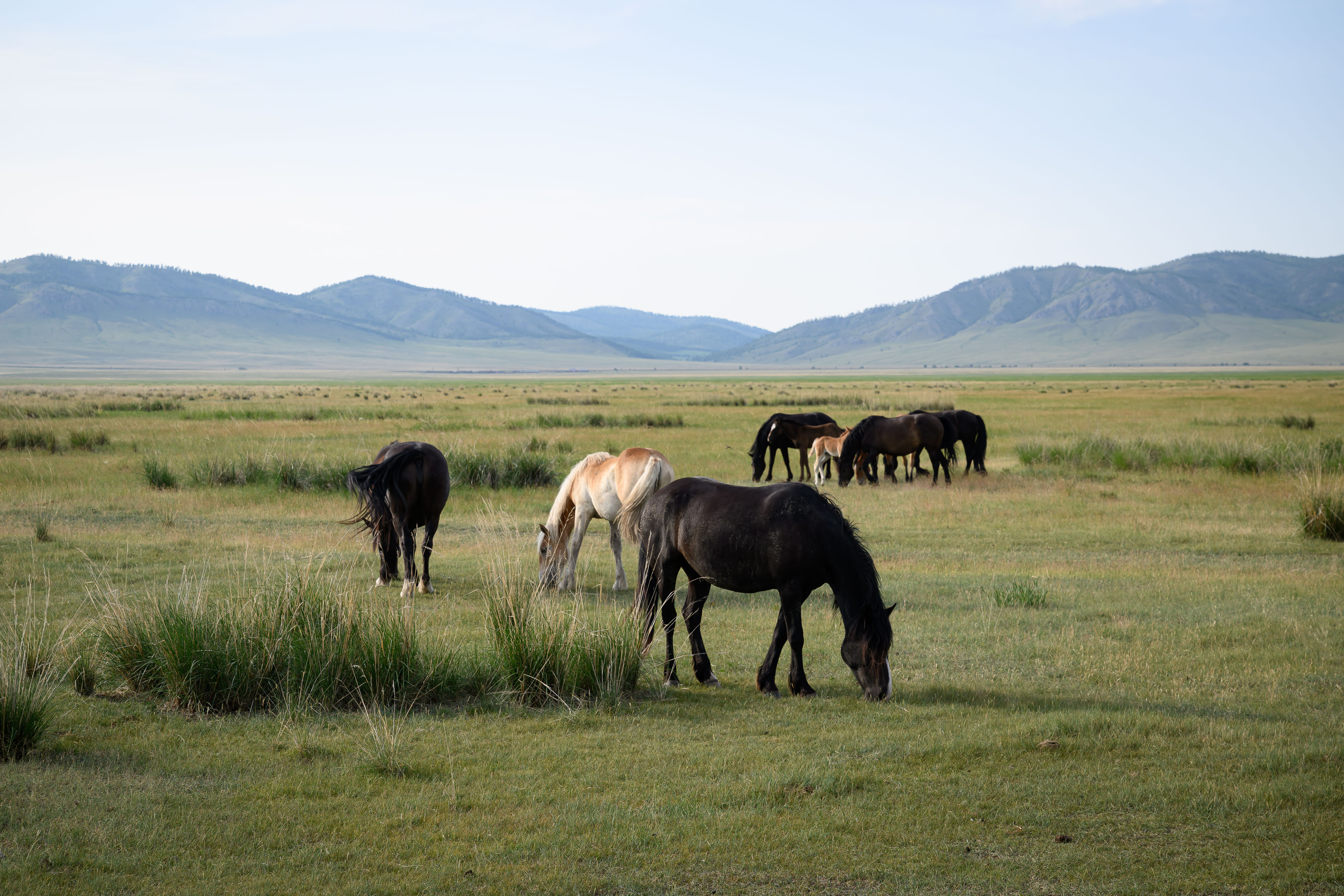
The Republic of Khakassia recorded the highest rate of tourism growth among Siberian regions in 2026 as Russian travelers continue exploring new domestic destinations. The region features steppes, mountain ranges, wild taiga, hundreds of lakes, and major rivers. A correspondent for Lenta.ru traveled across the republic to examine its historic sites, travel routes, and regional culture.
Russian President Vladimir Putin and former Defense Minister Sergei Shoigu previously discussed the natural beauty of the Siberian taiga during a conversation at a remote forest lodge. While the exact location of their meeting remains unconfirmed, observers note that it was likely situated in Khakassia or neighboring Tuva.
Travel Routes to Abakan
Air travel offers the fastest route into the region. Abakan Airport, the only major air gateway in Khakassia, is situated a ten-minute drive from the city center and receives two daily direct flights from Moscow. The flight from the capital takes approximately five hours.
Train travel from Moscow requires three to four days. Rail journeys from Novosibirsk take about one day, while travel from Krasnoyarsk lasts between 11 and 12 hours.
Driving from Moscow involves a 4,200-kilometer journey along the M-12 Vostok toll highway to Yekaterinburg, continuing through Tyumen, Omsk, and Novosibirsk before taking the Siberia and Yenisei highways to Abakan. The road trip requires roughly three days of pure driving time, incurring 8,600 rubles in toll fees alongside fuel costs.
2>Museums and Ancient Monuments
The L.R. Kyzlasov Khakass National Museum of Local Lore in Abakan serves as a modern federal cultural center for visitors starting their tour of the region. Its central attraction is the Hall of Stone Statues, which displays dozens of ancient menhirs alongside hundreds of historic ornaments, weapons, and sacred objects.
Visitors can spend two hours exploring the museum before walking through the adjacent city park. The park area includes kilometers of paved paths for walking and cycling, pedal boat rentals, active sports areas, and a free beach for swimming and sunbathing.
Located 240 kilometers from Abakan, the Sunduki mountain ridge consists of five low mountains featuring ancient rock drawings, astronomical observation sites, and panoramic views. Named after a mountain peak shaped like a chest, the first Sunduk is tied to a local legend about gold locked beneath a closed rock lid.
Tour guide Olga Zhernakova noted that an acoustic feature in the ravine at the first Sunduk allows two people at the top and bottom of the cliff to hear each other clearly without a microphone. Zhernakova stated that researchers consider Sunduki the oldest astronomical observatory in Asia, where visitors make wishes under low-hanging clouds.
Along the nearby Bely Iyus River, the Togyz-Az ridge hosts the Ancestors Trail hiking route. Zhernakova explained that the trail offers views of mountain river gorges, rock massifs, grottos, petroglyphs, and medieval inscriptions created before the emergence of Kievan Rus.
Burial Mounds in the Valley of Kings
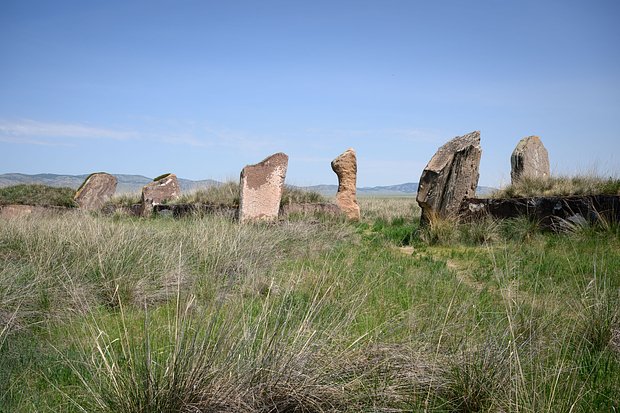
Ancient burial mounds, known as kurgans, form a defining element of the Khakass countryside. Zhernakova stated that builders 2,500 years ago utilized advanced techniques to preserve royal mummies using skull trepanation, natural herbs, and timber vaults.
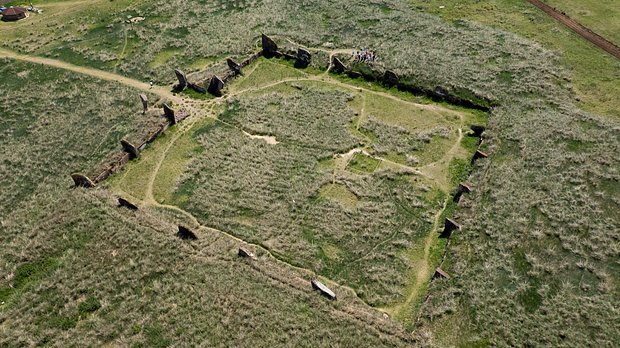
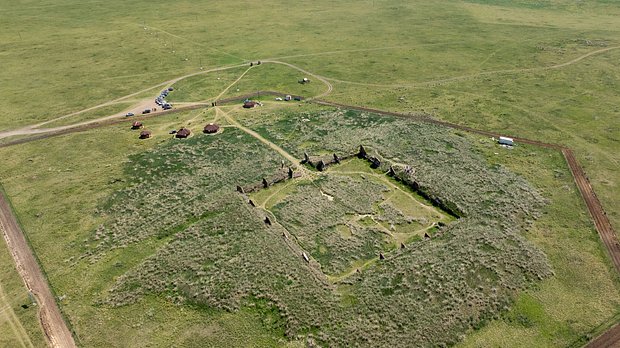
The Great Salbyk Kurgan is located 70 kilometers from Abakan in the center of the Valley of Kings. Before archaeological excavations in the 1950s, the mound reached over 11 meters in height and originally stood 30 meters tall, equivalent to two five-story residential buildings stacked together.
Ancient builders transported massive stone blocks across tens of kilometers to build a colossal stone boundary around the Salbyk site. Local history suggests that each allied tribe presented a stone block for the burial of a powerful chief, with larger stones reflecting greater respect.
Siberian researcher Gerhard Friedrich Miller recorded that 12 workers excavated the Salbyk mound for six weeks in the 18th century, digging down nearly 22 meters to bedrock without finding treasures due to prior grave robberies. Media accounts often compare Salbyk to Stonehenge, though the Khakass site features larger stone blocks. The surrounding Valley of Kings contains 55 other large burial mounds.
In 1722, German researcher Daniel Gottlieb Messerschmidt surveyed the mounds under a decree from Peter the Great, making Khakassia the birthplace of Russian archaeology. Zhernakova highlighted the remote Safronov Kurgan as an underrated destination featuring preserved rock drawings and scenic views.
Mountain Trails and Hydroelectric Power
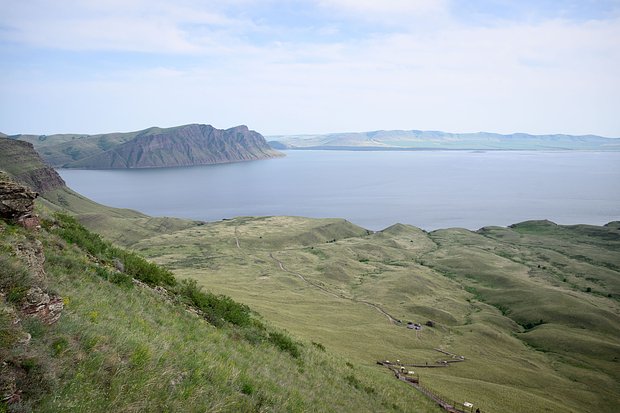
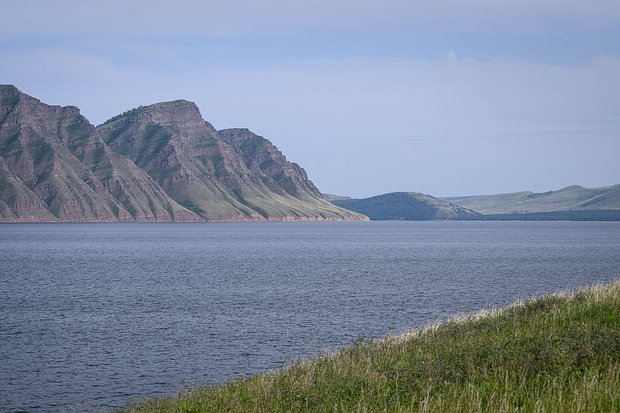
The Oglakhty reserve along the Krasnoyarsk Reservoir features a 965-step staircase leading to an observation deck atop a mountain ridge, offering views of surrounding cliffs and river valleys.
The Oglakhty complex includes a visitor center, paleontological hiking paths, and four reconstructed historic dwellings containing period furniture, clothing, and household items. Zhernakova noted that the surrounding steppes release distinct herbal scents into the air.
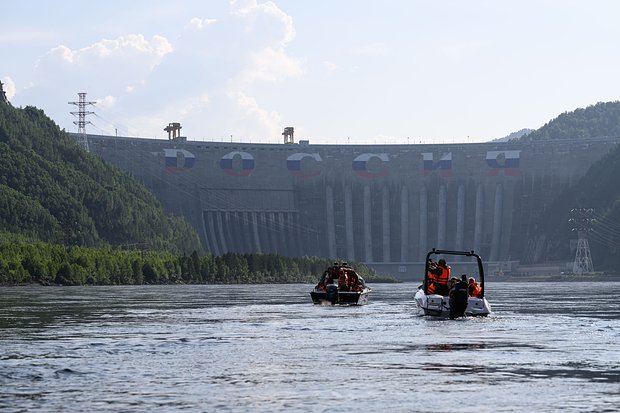
Located 120 kilometers from Abakan on the Yenisei River, the Sayano-Shushenskaya Hydroelectric Power Station stands as Russia's most powerful hydroelectric plant. As of July 2026, tours inside the station are suspended, but travelers can view the dam from an observation deck situated just over one kilometer away or from a boat on the river.
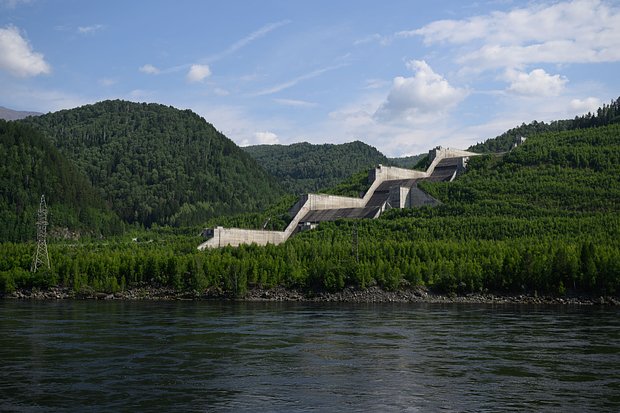
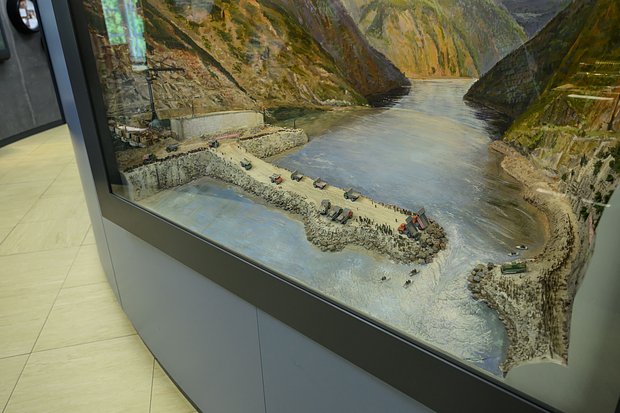
The nearby settlement of Cheremushki houses station workers and the Hydro Power Museum, which provides interactive industrial tourism displays and physics experiments. The road from Abakan to the station observation deck is maintained in good condition.
Addressing regional wildlife, Zhernakova explained that encounters with wild animals such as bears can occur in tourist areas, though such incidents remain rare.
Regional Cuisine and Driving Routes
Oksana Gnezdzyukova, chef at the Zharche gastro-studio in Abakan, described authentic Khakass dishes including chalbakh, potkhy, and cooked animal intestines. Gnezdzyukova noted that traditional intestine preparations include blood sausage, intestines fried with onions, and intestine soup served with mustard.
Other traditional offerings include rich myun broth, soft koptirges pastries baked with pine nuts and butter, plain venison, and flatbreads served with butter and wild ramson. Abakan restaurants also serve bear-shaped sesame ice cream with cowberry topping, pine nut porridge with cowberry ice cream, bird cherry chocolate brownies, and blood sausage with baked apple and honey.
Gnezdzyukova emphasized the importance of developing and serving authentic regional dishes alongside Tuvan, Altaian, and Georgian offerings to showcase historical Khakass flavors.
Travel across Khakassia relies primarily on personal or rental cars, with standard passenger vehicles handling dry roads and crossover vehicles needed for remote mountain reserves. During the Jetour Constellation of Travels event, journalists tested Jetour T1 and T2 crossovers across regional routes.
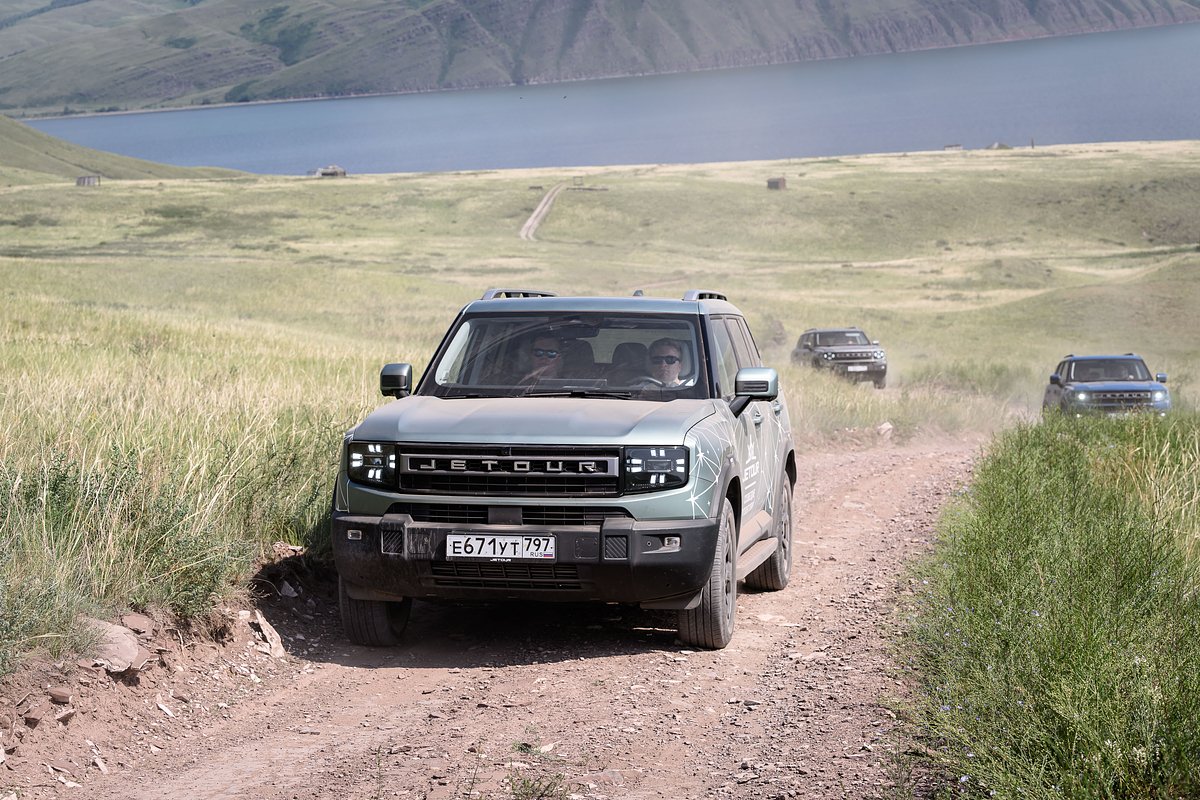
The Lenta.ru correspondent drove a Jetour T1 crossover across more than 300 kilometers of asphalt and dirt roads. The vehicle features 190 millimeters of ground clearance, electronic all-wheel drive, high seating, and a spacious interior, offering comfortable travel on rural tracks while requiring caution on extreme off-road terrain.


