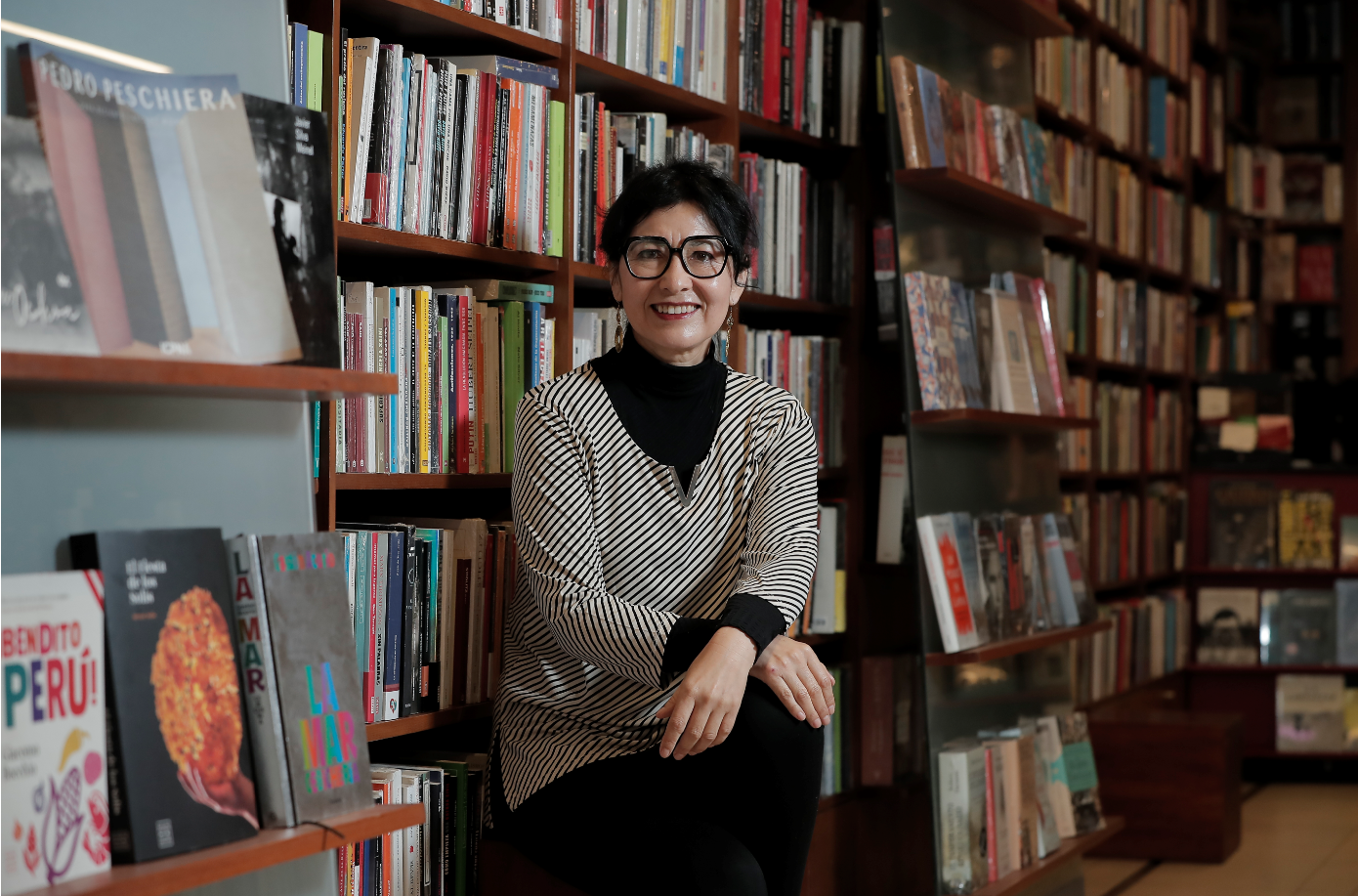
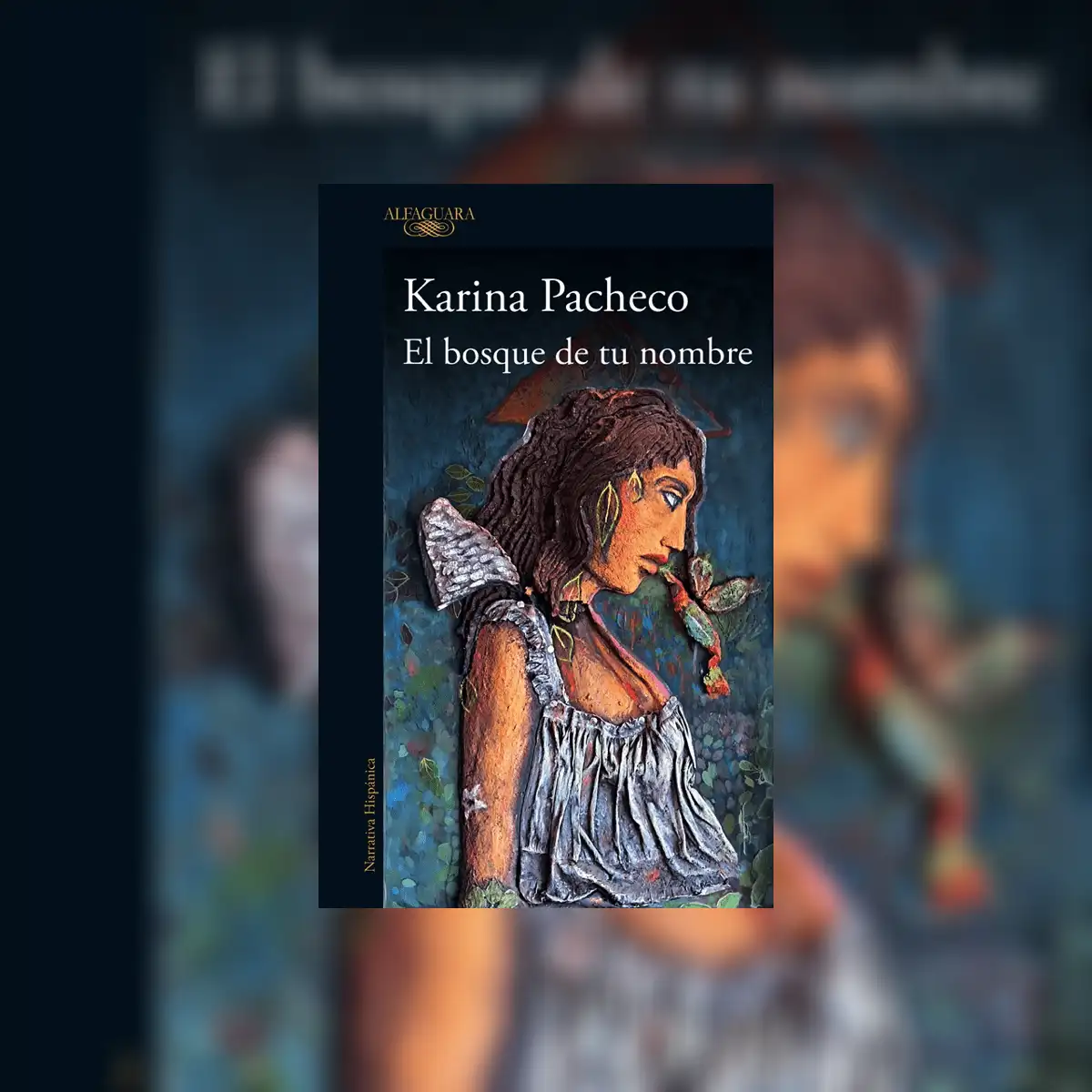
Peruvian author Karina Pacheco has released a 2026 edition of her fifth novel, El bosque de tu nombre, which addresses Guatemala's darkest historical period.
The monumental work, published by Spanish-language imprint Alfaguara and available in bookstores for 79 Peruvian soles, combines political denunciation and moral reflection with an adventure narrative structure to examine state violence and family secrets.

Speaking to Peruvian newspaper La República in an interview published on August 7, 2026, Pacheco explained that researching the book felt like entering a territory of darkness where evil was deployed in its full essence, guaranteed by state impunity. She noted that while impunity often hides the truth, periods of concealment eventually end and the truth emerges to expose those who acted with indifference or released their worst instincts.
Pacheco, an anthropologist who earned her doctorate in Cusco, emphasized that Guatemala is essential for understanding 20th-century political violence in Latin America, adding that the root causes of this violence extend back to the Spanish colonial era.
Historical atrocities and state violence in Guatemala
According to Pacheco, the scale of violence in Guatemala far exceeded the periods of political terror experienced in Peru, Argentina, and Chile. She highlighted that 83 percent of the victims in Guatemala belonged to indigenous populations, attributing the historical silence surrounding these atrocities to entrenched racism and Guatemala's small geographic size, which deprived victims' families of the prominent international voice found in Southern Cone nations.
The author noted that Guatemala's conflict was shaped by a 1954 coup d'état financed by the United States Central Intelligence Agency prior to the Cuban Revolution. Beginning in the 1960s, Guatemala functioned as a training ground for oppressors and torturers who subsequently operated in Argentina, Chile, and across the South American continent.
Pacheco highlighted the work of Guatemala's two truth commissions. One commission was led by Bishop Juan José Gerardi of the Archdiocese of Guatemala, who presented his official report and was assassinated two days later. A second international commission was headed by German legal expert Christian Tomuschat, a specialist in Nazi crimes, who described the situation in Guatemala as a descent into darkness.
Family secrets and human rights trauma
In terms of structure, Pacheco framed the historical topic through the intimate story of an exiled family discovering long-hidden secrets about their parents. A primary narrative anchor follows the fate of a former Miss Guatemala, which Pacheco included to illustrate that if such horrors could happen to a high-profile beauty queen, even worse abuses were inflicted upon less protected women.
Pacheco recalled first learning about Guatemala after completing her anthropology degree in Cusco, when she traveled to Spain for a diploma in Amerindian studies. A Guatemalan female classmate and a male friend informed her of the Miss Guatemala case and army recruit training methods under nearly 40 years of dictatorship. Having known about atrocities in Argentina, Chile, Peru, Nicaragua under Somoza, and El Salvador, she was shocked to discover she knew nothing about Guatemala.

In the novel's prologue, Pacheco recounted how these accounts traumatized her to the point of causing nightmares during her research. She stated that she considered abandoning the project several times due to the overwhelming amount of horror, but persisted to explore how trauma operates and to highlight the beauty of individuals who dare to resist.
Pacheco reflected that human nature possesses an immense capacity for art and beauty alongside very dark tendencies when unchecked power is allowed to penetrate society. She cautioned that atrocities in Guatemala, Rwanda, Germany, or Bosnia demonstrate what human beings are capable of committing when granted unchecked authority, warning against indifference and the justification of violence.
Literary influences and author trajectory
Pacheco asserted that art, culture, music, dance, and exercises of memory enable humanity to maintain its identity and offer a small measure of reparation. She warned that memory is more urgent today than ever as political horrors re-emerge, adding that those who try to conceal the past fail to realize that truth eventually breaks out, often from within perpetrators' own families.
Narratively, Pacheco described El bosque de tu nombre as an adventure novel influenced by her adolescent reading of 19th-century French and English classics. She cited Alexandre Dumas's The Black Tulip and The Count of Monte Cristo, the novels of Charles Dickens, and One Thousand and One Nights as key references, incorporating classic themes of heroes confronting power through intellect, surprise, and unplanned ambushes.
Originally published in 2013 and reissued in 2019 prior to its 2026 edition, El bosque de tu nombre is Pacheco's fifth novel. She noted that after publishing earlier works, including her second novel La voluntad del molle, she only began calling herself a novelist after her third book. Pacheco concluded that while her academic doctorate is in anthropology, completing this novel served as her doctorate in literature.