

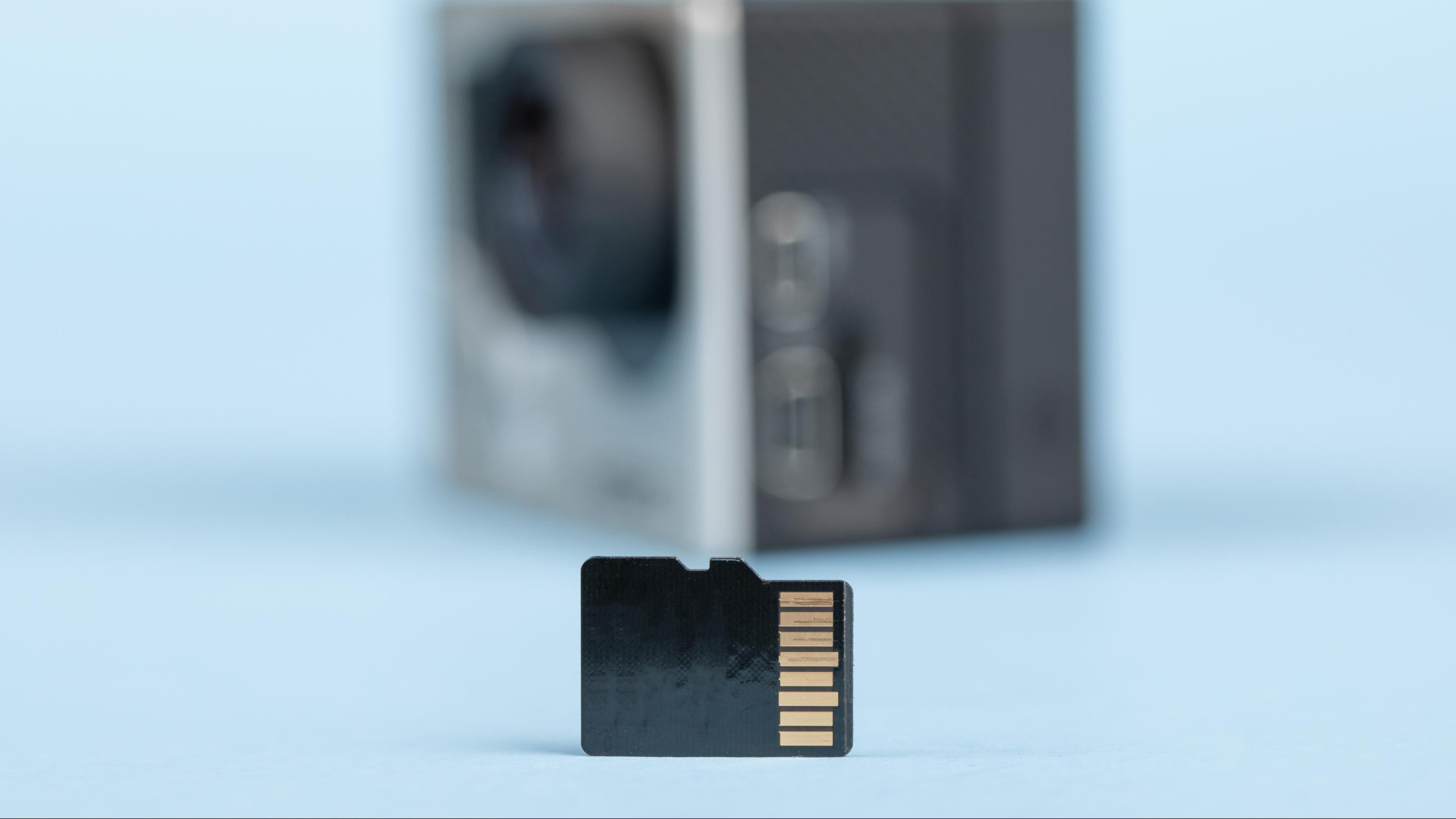
Technology journalist Karandeep Singh says smartphone manufacturers should bring back the microSD card slot as soon as possible to give consumers a cheaper way to expand device memory. Writing from Madrid on August 5, 2026, Singh argues that phone makers have turned internal storage into an increasingly expensive business for users whose space needs continue to grow.
Singh explains that the storage problem has worsened over recent months due to high demand for memory chips from artificial intelligence data centers. This growing demand has created market shortages, raising prices for both mobile devices and internal storage upgrades.
According to Singh, large internal storage capacity is no longer affordable for many consumers. He states that storage upgrades cost too much money and consumers need microSD cards back to manage their expanding files.
Smartphone makers have charged heavy premiums for higher storage tiers for years. Moving from a 256 GB model to a 512 GB version often costs an extra $200, an amount Singh says is far higher than the actual cost of the extra memory.
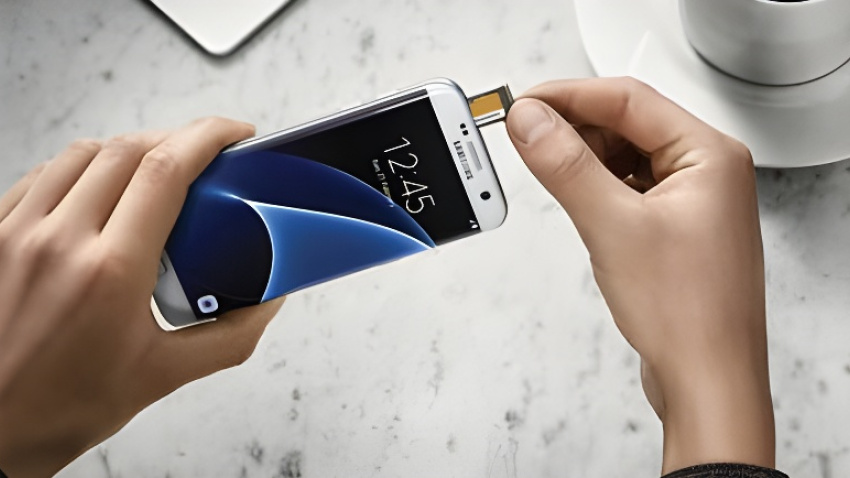
Internal Storage Prices and MicroSD Costs
In past years, buyers accepted expensive storage upgrades because built-in memory offers faster speeds, better water resistance, and simpler phone designs. However, Singh believes recent price increases have changed consumer priorities, making expansion slots necessary once again.
Although NAND memory shortages have also raised prices for external solid state drives and microSD cards, memory cards remain a much cheaper option. Singh described manufacturer pricing policies as a scam, noting that the $200 price gap between phone tiers could easily buy two high quality 512 GB microSD cards.

Even with recent price increases across all memory products, expandable storage remains significantly more cost effective than paying for higher phone tiers at initial purchase.
Growing Storage Demand From Mobile AI
Consumer storage requirements have grown rapidly over recent years. A capacity of 128 GB was once sufficient for most users, but standards soon moved to 256 GB, and many users now find 512 GB models inadequate for their daily needs.
High resolution photos and videos contribute to space shortages, but operating systems are also downloading artificial intelligence models directly onto devices to run features without an internet connection. Singh cited a voice dictation tool that required downloading 6 GB of data to operate locally, noting that such software additions quickly consume available space.
Smartphone Models Maintaining Memory Card Support
While many consumers believe microSD cards have disappeared completely, the feature remains available on numerous mid-range and entry-level Android smartphones and tablets. Manufacturers such as Samsung, Motorola, and OnePlus still produce phones that support microSD cards of up to 2 TB in capacity.
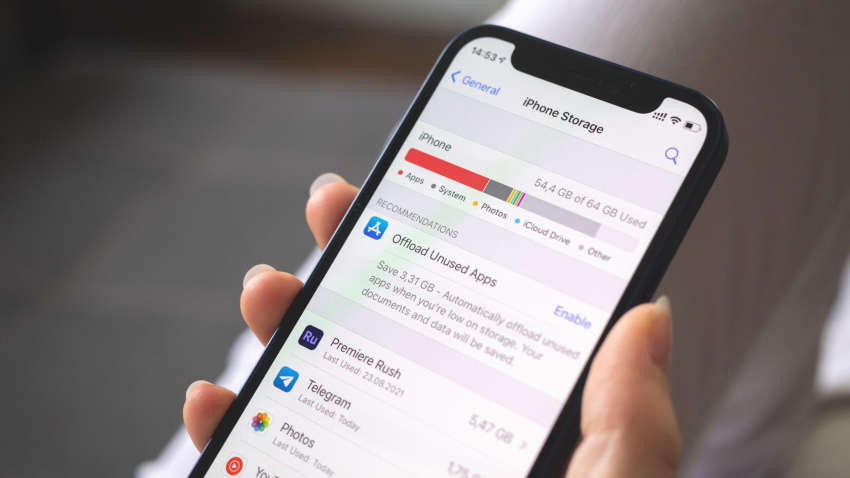
However, most premium smartphones have eliminated expandable memory slots. Today, the feature is largely limited to specialized hardware, such as rugged phones, gaming mobiles, and devices designed for content creators.
Singh concludes that restoring memory card slots across all smartphone tiers would provide a simple, practical way to reduce consumer costs as mobile storage requirements continue to escalate.


