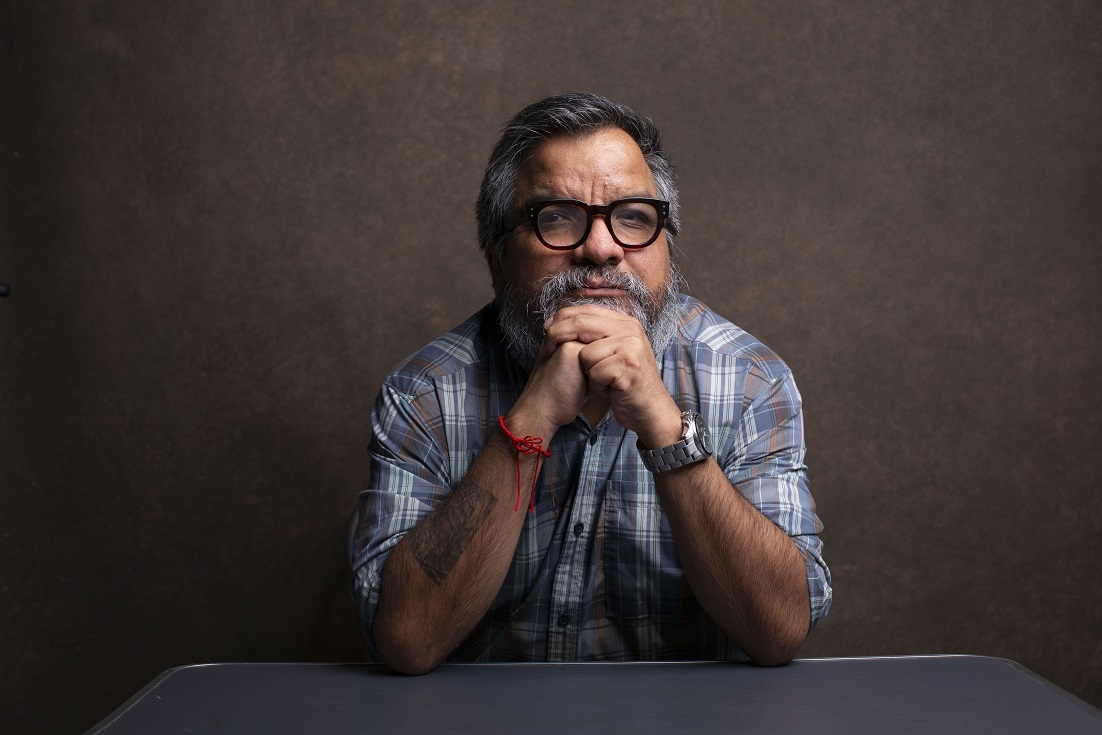
Peruvian psychoanalyst Jorge Bruce has published a column reviewing "Negro: Contra el desprecio," a new book by Julio Arbizú released by Reservoir Books, an imprint of Penguin Random House.
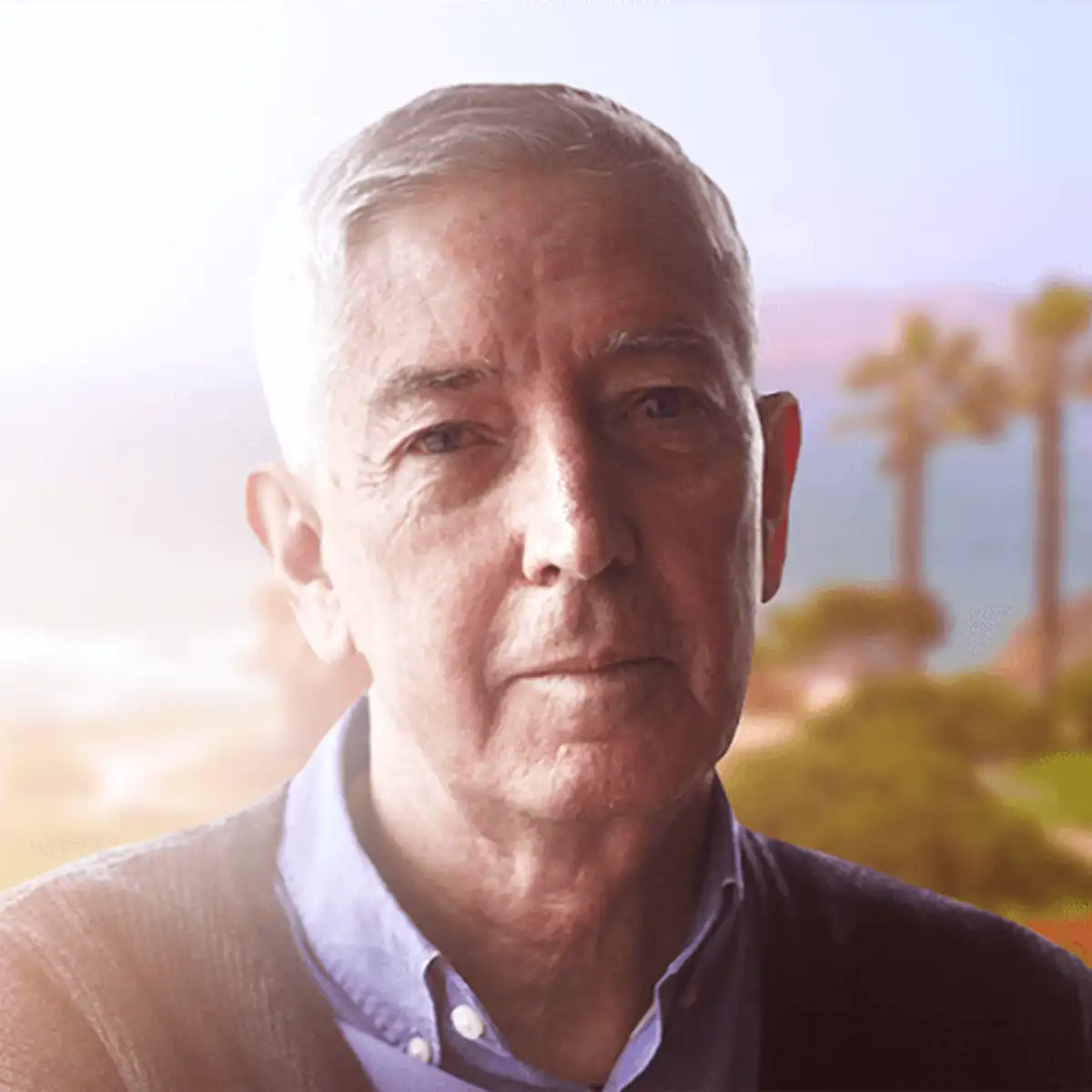
Bruce, who teaches at the Pontificia Universidad Católica del Perú, wrote that when he published his own book, "Nos habíamos choleado tanto: Psicoanálisis y racismo," in 2007, he did not yet grasp as clearly as he does now the essential nature of firsthand testimonies about racism, since he himself was never a racialized subject.
He said several Peruvian authors have since written about racism from personal experience, citing Marco Avilés's "De donde venimos los cholos," Gabriela Wiener's "Huaco Retrato," Lurgio Gavilán's "Shogún," and now Arbizú's book. Bruce noted that Avilés and Wiener both contributed praise for Arbizú's book on its back cover.
Bruce wrote that while Arbizú's book shares the experience of racialization found in those other works, it addresses attacks based on being Black rather than being "cholo." He said books like this should be required reading in schools in a country led by people aware of that wound, but noted that no such reference appeared in the presidential address, and that denial of these attacks against Peruvians' dignity increased during the elections, driven by fear of resentment from people who have long been mistreated. He cited a line from Arbizú's introduction stating that violence does not only kill in the streets, but also organizes memories, shapes aspirations and decides who can imagine a future without apologizing.
Humiliations described in the book
According to Bruce, Arbizú recounts repeated humiliations at school, in private clubs, during a televised political debate, and within his own family, where a relative reacted with disbelief on learning her grandson was Black.
Bruce described a televised debate that had been arranged between Arbizú and former congresswoman Rosa Bartra, who canceled her participation. She was replaced by another candidate from the same list, a former cable television news anchor whom Bruce, following Arbizú, chose not to name. During the rebuttals, the replacement pulled out a package of soap bars and tried to hand it to Arbizú instead of offering a handshake, an allusion to a lack of hygiene. Bruce wrote that Arbizú then approached the man quietly and issued a threat that left him visibly afraid. Arbizú's book states that few understood what had happened, that it was not an anecdote but a mirror, Bruce wrote.
A market encounter and a school fight
Bruce wrote that a week after the debate, in a market in Lima's Cono Este, a woman approached Arbizú in tears, thanked him and asked him to defend people like her. He said the book also recounts an episode at the Migraciones office in Buenos Aires and a fight outside his school.
In that school fight, Bruce wrote, Arbizú confronted a classmate named Gianfranco who had bullied him, in an altercation arranged at a spot ironically called the "Ágora." Afterward, a classmate stopped Arbizú and asked why he was crying since he had already won the fight, Bruce recounted. Bruce wrote that the moment perfectly captures the suffering of discriminated people, since even those with the resources to defend themselves, like Arbizú, do so at the cost of exhausting and painful, unending work.