Greece will begin accepting applications on Wednesday, October 14, for an expanded housing initiative that offers citizens a 10,000 euro grant to relocate permanently to the country's border and remote regions.
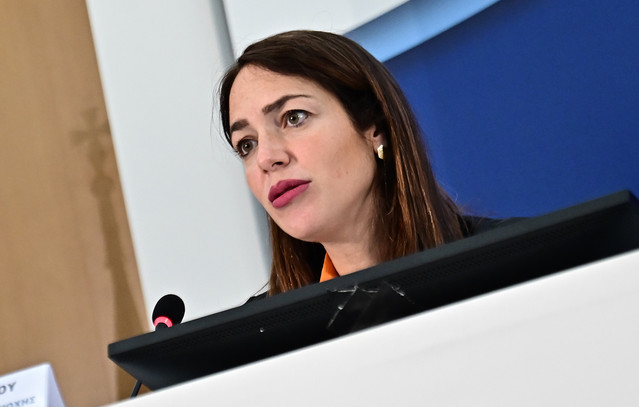
The Minister of Social Cohesion and Family, Domna Michailidou, announced the opening of the digital platform during an interview with SKAI television on Tuesday morning, detailing a wider package of state housing support.
The relocation scheme is part of a national strategy to counter demographic decline and revitalize rural and border areas that have experienced significant population loss in recent decades. The ministry oversees demographic policy and administers state subsidies designed to help citizens upgrade older properties and secure first time mortgages.
Michailidou said the government is connecting its housing tools so that citizens can find the support that meets their specific needs, whether that involves moving to a new area, renovating an existing property, or buying a first home.
Expanded relocation scheme
The relocation incentive was initially launched for Evros, the northeastern border region adjacent to Turkey. The expanded program will now cover ten additional areas across northern and western Greece.
The newly eligible regions include the northern border areas of Kilkis, Florina, Pella, Drama and Serres, as well as Kastoria, Ioannina and Thesprotia in the northwest. The mountainous districts of Grevena and Kozani are also included in the scheme.
The program is open to Greek citizens currently living within the country or abroad, provided they choose to settle permanently in one of the designated areas. Successful applicants will receive half of the 10,000 euro grant as an advance payment.
The ministry has simplified the application process following feedback from local communities, aiming to make the scheme more attractive and easier to use for prospective residents.
Applicants are no longer required to prove they have secured employment in their destination region. They only need to own or lease a home in the area, and they are permitted to move to regional towns and cities rather than being restricted to rural villages.
Property renovation subsidies
Michailidou also outlined the next steps for the national home renovation program, confirming that document submission will begin within the next ten days.
The state has already issued approximately 94,000 initial certificates for the scheme. About 80,000 of these relate to properties currently occupied by their owners, while the remaining 14,000 are for vacant real estate.
When the submission platform opens in October, citizens will be able to file their required documents and declare their renovation expenses. This will allow them to receive a 50 percent advance on their subsidy.
The renovation grants can cover up to 95 percent of eligible costs, capped at 36,000 euros per property. To qualify for the maximum funding, the renovation work must include a mild energy efficiency upgrade to the building.
Mortgages for first homes
The minister provided further details on the upcoming third phase of the state mortgage assistance program, which is designed to help another 20,000 citizens purchase their first home.
The new phase significantly broadens the eligibility criteria. It is open to people aged between 25 and 55, covering properties valued at up to 300,000 euros and supporting bank loans of up to 230,000 euros.
The income threshold for couples has been set at 35,000 euros, with an additional 7,000 euro allowance for each child. Large families will also be permitted to purchase larger properties under the revised rules.
This third phase follows the second round of the program, which helped more than 14,100 citizens secure a home. The average age of beneficiaries in that round was 38.
Addressing concerns about the housing market, Michailidou said that state intervention has not driven up costs. She said research shows that the prices of homes purchased through the first two phases of the program followed the same trajectory as the wider property market, with no evidence of an accelerated rate of increase.