


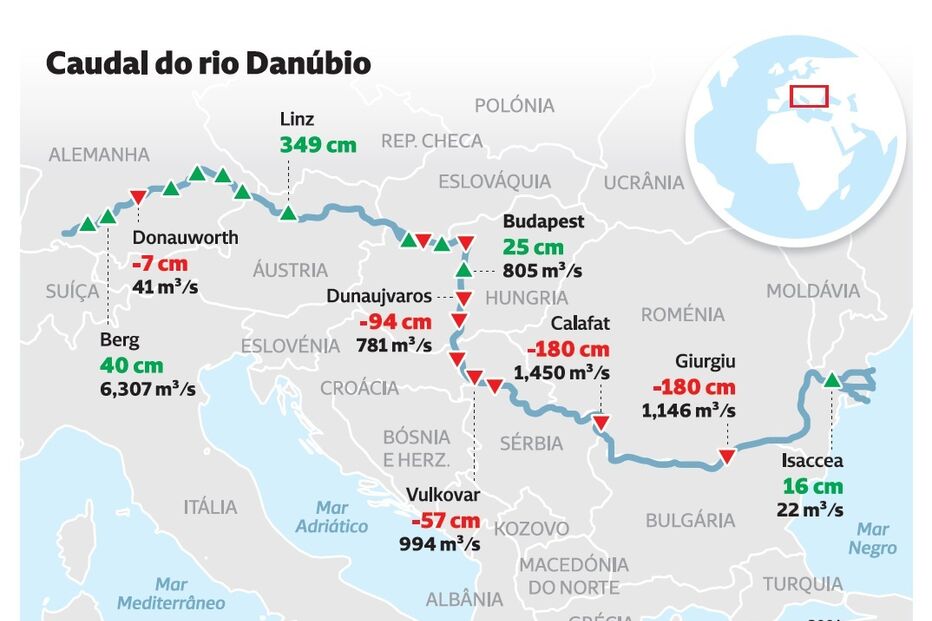
Romania has shut down its Cernavoda nuclear power station after record drought dropped Danube river water levels too low for cooling.
The plant, which supplies about one fifth of Romania's electricity, was forced to take both of its reactors offline due to the lack of cooling water. In response, the Romanian government declared a national energy emergency and urged businesses and households to cut electricity consumption during peak demand hours.
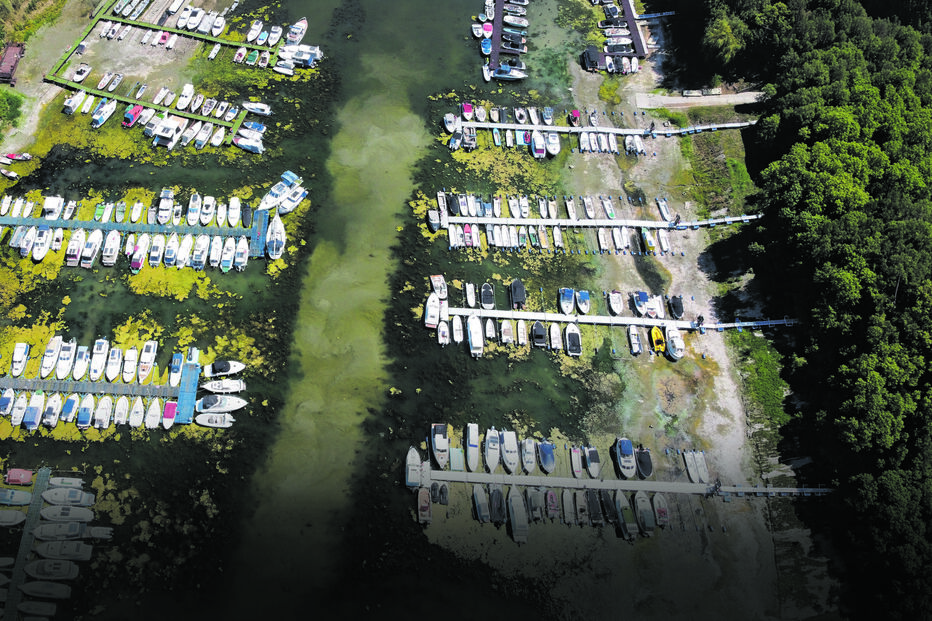
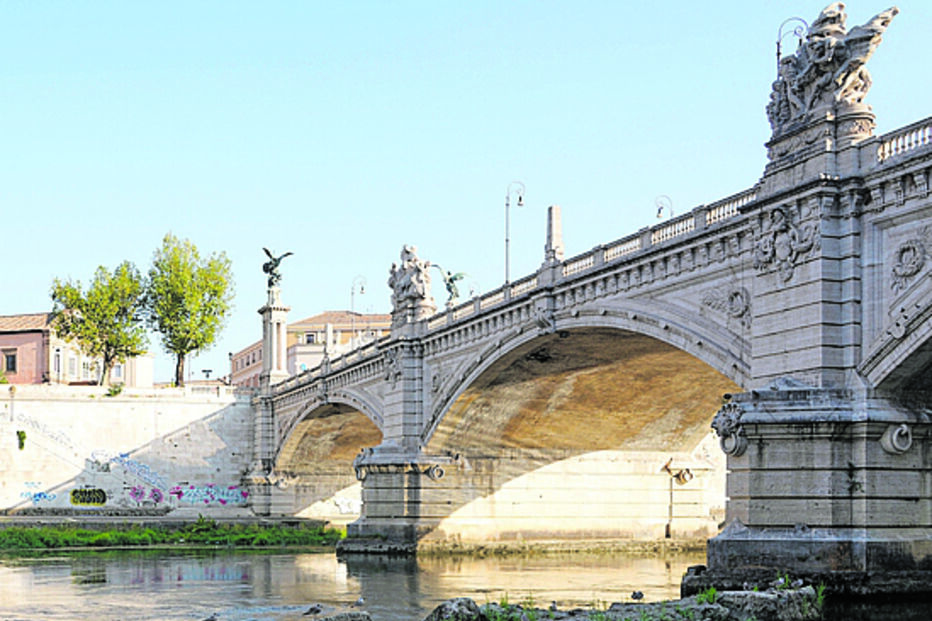
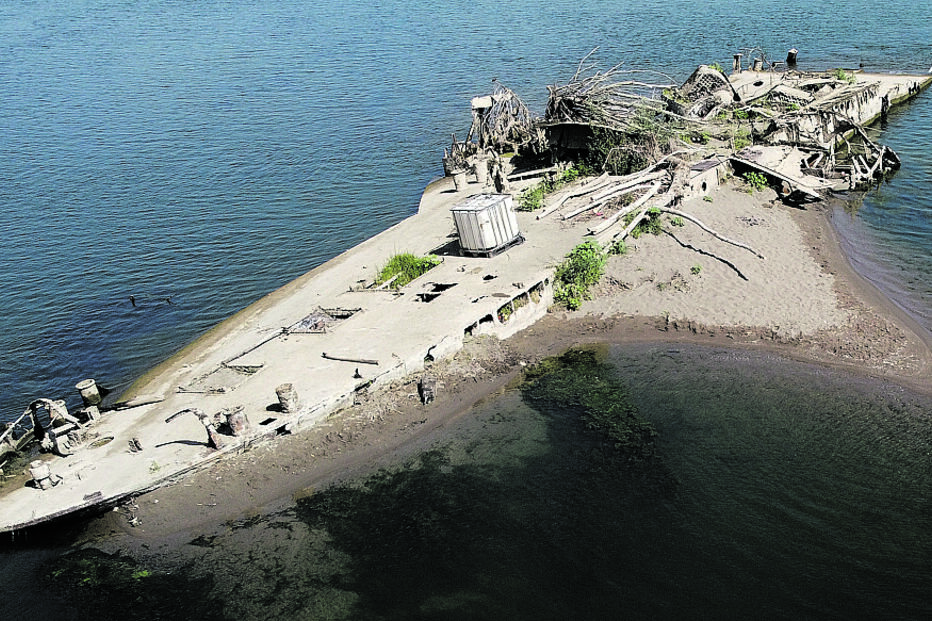
Falling water levels in the Danube have left boats stranded on dry land at Novi Sad in Serbia, while receding waters in the Tiber river in Rome revealed the ruins of an ancient Roman bridge. Elsewhere along the Serbian stretch of the Danube, the drop exposed the remains of a sunken World War II ship.
In neighboring Hungary, operators at the Paks nuclear power station also drastically reduced electricity generation as water shortages in the Danube constrained cooling capacity. Nuclear power plants rely on large rivers to extract cold water for cooling condenser systems before discharging it back, but prolonged high temperatures and shrinking river flow rates severely restrict operations.
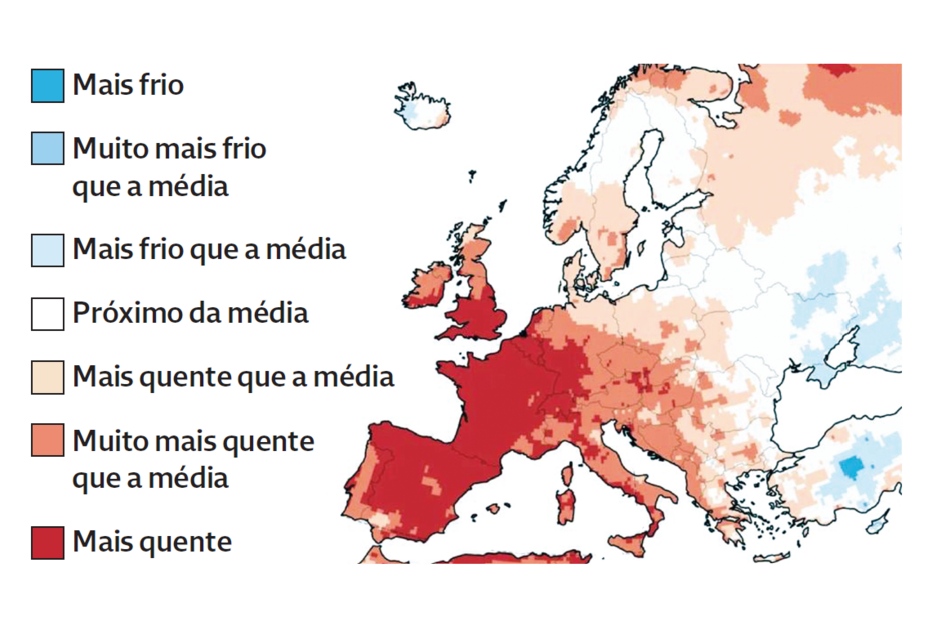
The crisis is part of a broader environmental emergency across Europe, driven by successive heatwaves and record temperatures. Water levels in several of the continent's major waterways, including the Danube and the Rhine, have plunged to exceptionally low marks, disrupting agricultural irrigation, commercial freight shipping, and utility operations.
Nuclear power and river infrastructure vulnerabilities
Energy experts and officials warned that the drop in river levels underscores a growing structural vulnerability across Europe. As river waters become increasingly warm and shallow during extreme summer weather, critical infrastructure ranging from inland barge routes to nuclear power stations faces mounting operational risk.
Heatwave casualties and agricultural impacts across Europe
The extreme heatwave has also claimed thousands of lives across the continent. In Spain, authorities recorded nearly 4,500 heat related deaths since June. In Germany, officials estimated that around 14,000 heat related deaths occurred over the course of the summer season.
Agricultural sectors have felt the impact as well, with extreme weather shifting harvest timelines across southern Europe. In the Alentejo region of southern Portugal, intense heat forced wine producers to bring forward the grape harvest, which began in July.


