

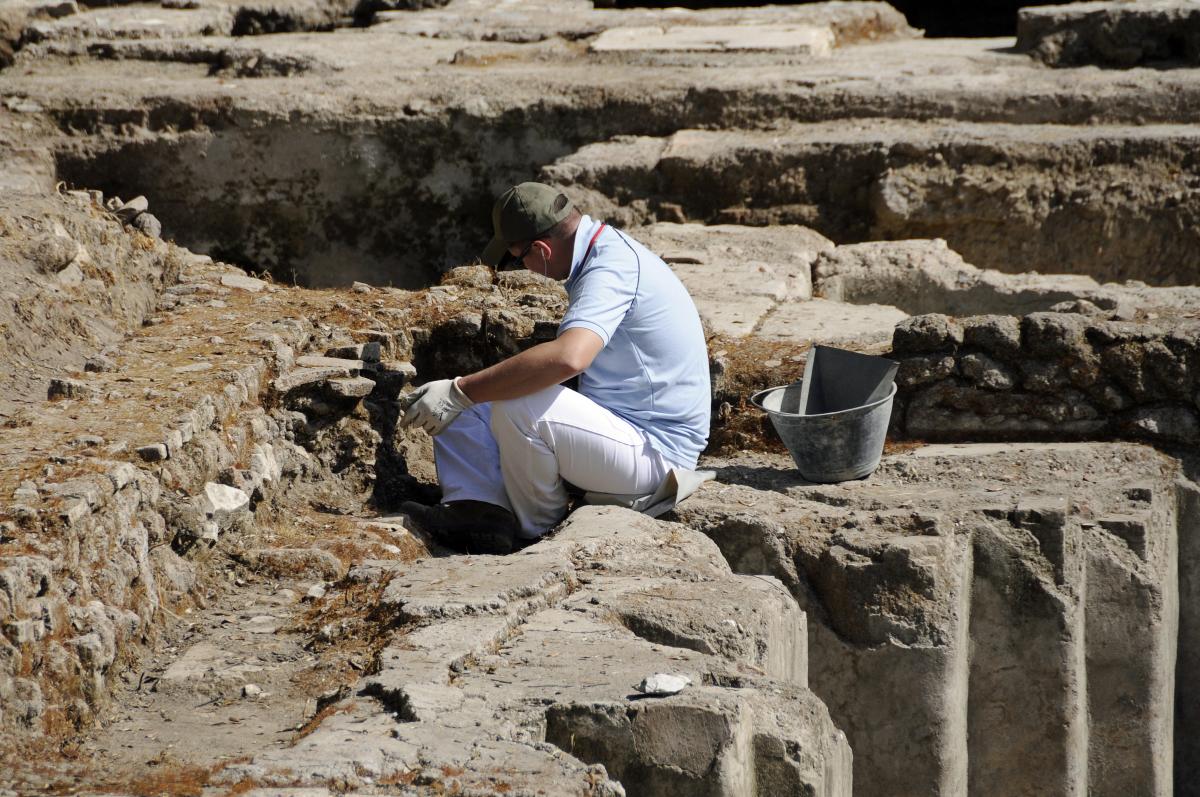
Ukrainian human rights ombudsman Dmytro Lubinets has reported a military recruitment center to prosecutors after an archaeologist was forcibly mobilized in Kamianets-Podilskyi while awaiting approval for a draft deferment. The scholar, who holds a candidate of historical sciences degree and serves as a senior research fellow at the Rescue Archaeological Service of Ukraine, was taken into custody before local administration officials finished processing his exemption request.
According to details released by Lubinets following a complaint from the researcher's wife, the academic submitted all required paperwork to the Administrative Services Centre in Kamianets-Podilskyi on July 28, 2026. As a scientific worker holding an advanced academic degree, he possessed legal entitlement to a draft deferment under Ukrainian law. Upon receiving his submission, center staff issued a written receipt confirming that his file had been accepted and stating that a decision would be issued within 15 days.
However, personnel from the Kamianets-Podilskyi District Territorial Center for Recruitment and Social Support detained the academic on August 8, 2026, 11 days into the processing period. Although the scholar presented his official administrative receipt to recruitment officers, his wife stated that staff confiscated the document and refused to return it. Despite no formal decision having been reached on his deferment, officers directed him to a Military Medical Commission and subsequently transferred him to an active military unit, where he remains stationed.
Prosecutorial notification and systemic criticism
Lubinets described the incident as outrageous and declared that it demanded immediate official verification. The ombudsman confirmed that he has submitted a notification of a potential criminal offense to the Office of the Prosecutor General of Ukraine and appealed to the Military Law Enforcement Service of the Armed Forces of Ukraine to investigate the actions of the recruitment center within their legal mandate.
The human rights commissioner strongly condemned the practice of blind forced recruitment, known in Ukraine as busification, and criticized enlistment offices for carrying out mobilization merely for checkmarks on administrative reports. Lubinets stated that numerical metrics on paper do not influence the actual course of the war, stressing that while national mobilization is necessary during a full-scale invasion, it cannot take place outside the law or violate human dignity, freedom, and fundamental rights.
The scholar had previously served in the Armed Forces of Ukraine as an infantry rifleman and holds status as a combat veteran. Following his prior military service, he returned to academic research at the National Academy of Sciences of Ukraine, the country's primary state-funded scientific research organization. Its Rescue Archaeological Service conducts archaeological field surveys and safeguards historic sites across regions affected by development and conflict.
Background on enlistment corruption and enforcement
The ombudsman's intervention comes amid ongoing scrutiny of operations at Ukrainian Territorial Centers for Recruitment and Social Support, which manage draft registration and military mobilization. Lubinets previously highlighted widespread corruption in recruitment procedures, noting that draft-eligible men have paid bribes of 10,000 dollars to recruitment personnel to be released from mobilization vans, with bribe demands doubling to 20,000 dollars once individuals are brought inside an enlistment facility.
Public concern over enlistment practices has also grown following other recent forced mobilization incidents across Ukraine. In Chernivtsi, a municipal bus driver was recently dismissed from his job after making public statements disparaging Ukrainian soldiers, calling service members fools for going to fight. Following his termination, the former driver was promptly mobilized into the military.


