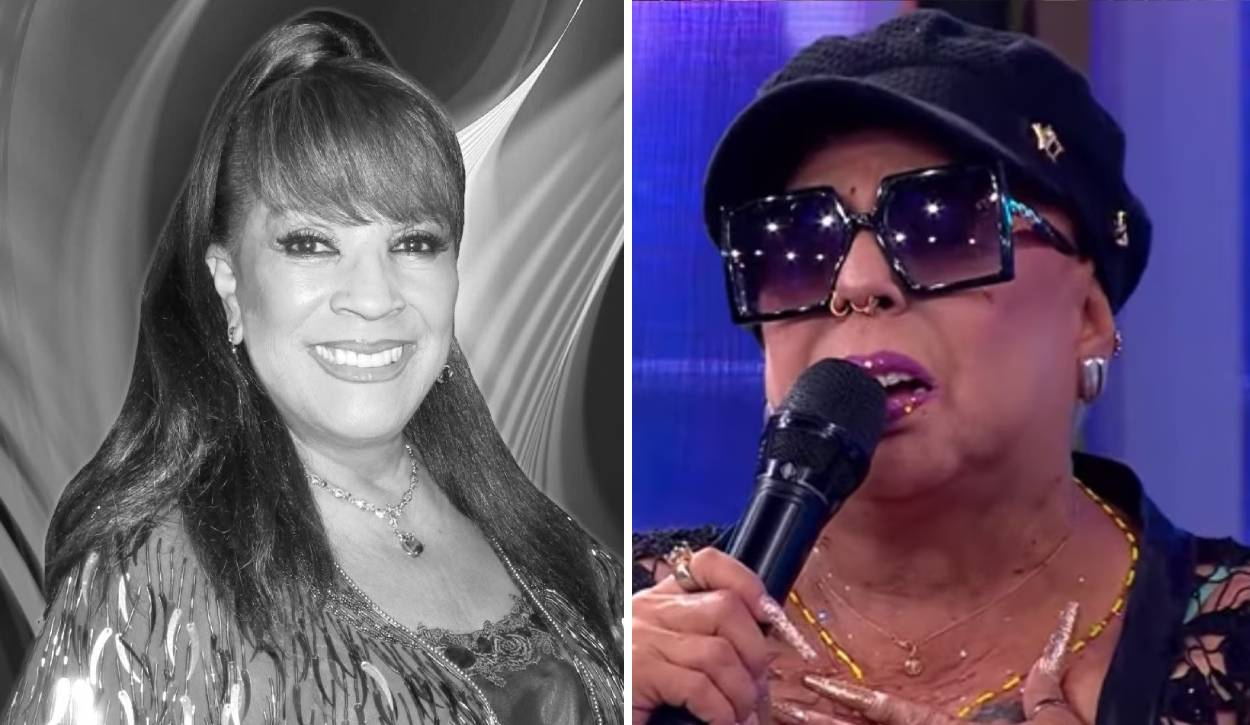
Peruvian singer Edith Barr, one of the most celebrated and influential performers of traditional música criolla, has died at the age of 90.
Fellow musical icon Lucía de la Cruz confirmed the death of the acclaimed vocalist on September 1 through an emotional tribute posted on social media.
De la Cruz, a leading Peruvian singer widely known as La Criollísima, shared a photograph of Barr alongside an audio recording of the classic waltz José Antonio, one of the most emblematic compositions associated with Barr's extensive repertoire.
In her tribute, De la Cruz urged followers to remember Barr as the dark flower of Peruvian music and described her late colleague as a master of masters. She also paid tribute to Barr as a cherished personal friend, an essential symbol of their shared homeland, and an invaluable piece of Peru's national heritage.
De la Cruz stated that she would love Barr eternally, signing the message from herself and adding that artists across Peru and around the world also loved the late singer with all their heart.
Legacy of La Flor Morena
Música criolla is a traditional genre born along the coastal regions of Peru, combining Spanish melodic structures, African rhythmic patterns, and Indigenous Andean influences. Flourishing throughout the twentieth century, the music relies heavily on acoustic guitars, the Peruvian cajón percussion box, and passionate vocal interpretations that tell stories of coastal life, romance, and national pride.
The song José Antonio, included in De la Cruz's tribute post, is a renowned Peruvian valse criollo composed by legendary singer-songwriter Chabuca Granda. The piece celebrates the traditional Peruvian Paso horse and the equestrian heritage of coastal Peru, standing as one of the most beloved anthems in the nation's musical canon.
Known throughout her career as La Flor Morena de la Canción Criolla, or The Dark Flower of Criollo Song, Barr began singing professionally as a teenager. She quickly gained national recognition for her warm tone, elegant stage presence, and commitment to preserving traditional coastal sounds.
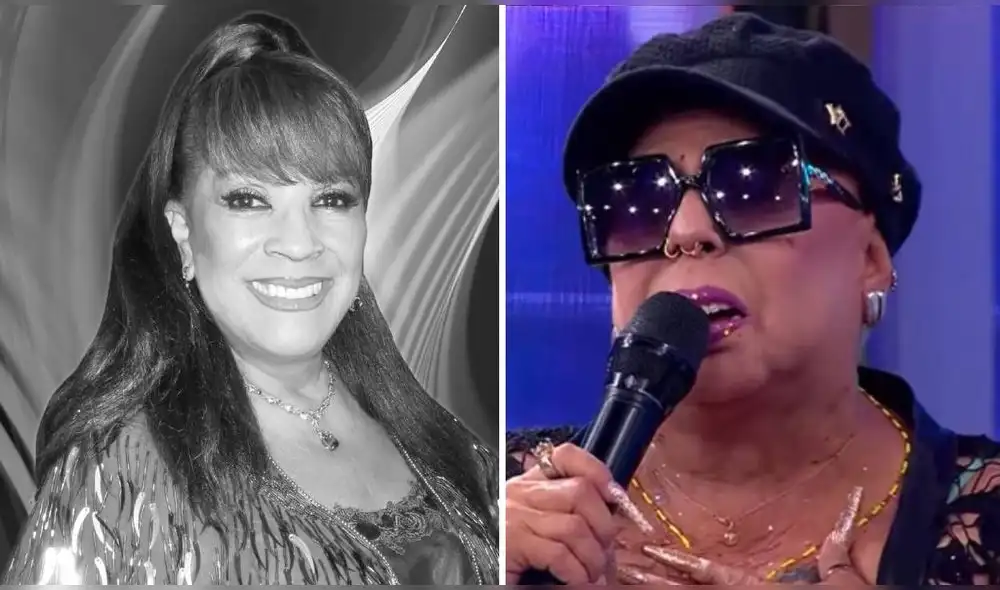
Over a career spanning several decades, Barr recorded numerous studio albums and popular singles, establishing a vast discography that inspired generations of Peruvian vocalists and musicians.
In addition to her live concert performances and recording work, Barr made frequent appearances on Peruvian broadcast television, helping bring traditional folk music to mainstream television audiences and solidifying her status as a household name.
Breakthrough on the International Stage
Barr was instrumental in bringing Peruvian coastal music to international audiences outside South America. Her early international career reached a major peak when she traveled to perform in the United States and performed at the historic Waldorf Astoria Hotel in New York City.
Located on Park Avenue in Manhattan, the Waldorf Astoria was one of the most famous luxury hotels in the world, renowned for hosting international state dinners, royal visits, and performances by premier global musical acts. At just 16 years of age, Barr became the first Peruvian vocalist ever to perform at the prestigious venue.

Her landmark appearance in Manhattan introduced American audiences to the rich heritage of Peruvian folklore and paved the way for subsequent generations of South American artists to perform on major international stages.
Following the public announcement of her death, fans and fellow musicians across Peru expressed their grief on social media platforms, remembering the remarkable life and enduring artistic contribution of one of the country's most iconic vocalists.