Peruvian columnist Cynthia Cienfuegos argued in an opinion piece published Tuesday, September 15, 2026, that art in Peru has become a tool for discomfort and reflection amid the country's social and political turmoil, and that it is increasingly being used to challenge narratives imposed from above.
La República, the Peruvian newspaper that carried her column, is one of the country's leading outlets for political and social commentary. Cienfuegos writes there regularly on human rights, gender violence and government accountability, the same newspaper that published her earlier columns on those subjects.
Cienfuegos wrote that Peru has spent the last decade in social and political upheaval, and remains there today. She said that in the middle of that turmoil, art has managed to do something important: make people uncomfortable. She was careful to specify that she meant art that questions, that is built not only from what looks visually beautiful but also from symbolism and from the need to represent different realities, art meant to transform society rather than art produced only inside classrooms.
That, she wrote, is probably the strongest reason some political groups and social sectors now want to censor art, limit it or regulate it, including through what she called an unnecessary and unworkable professional association for artists.
Campaign against Peru's memory museum
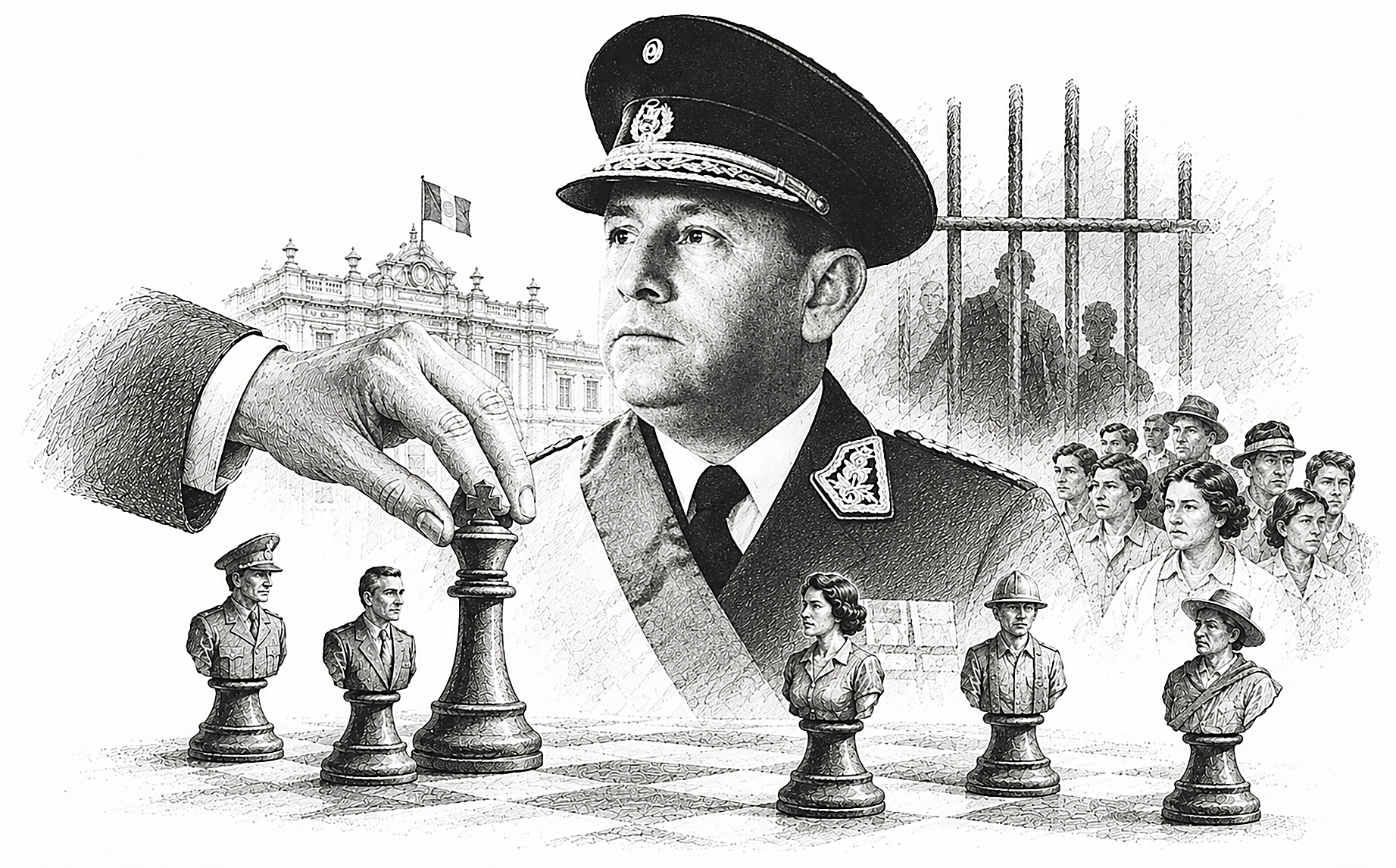
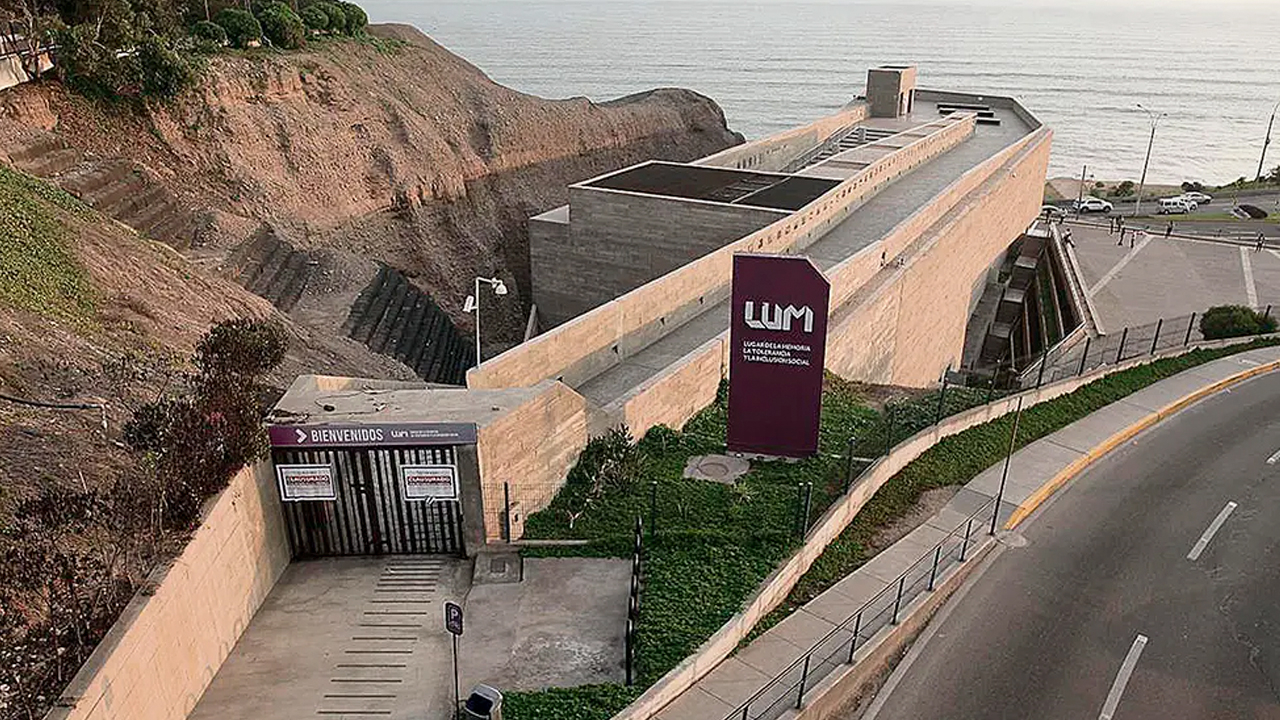
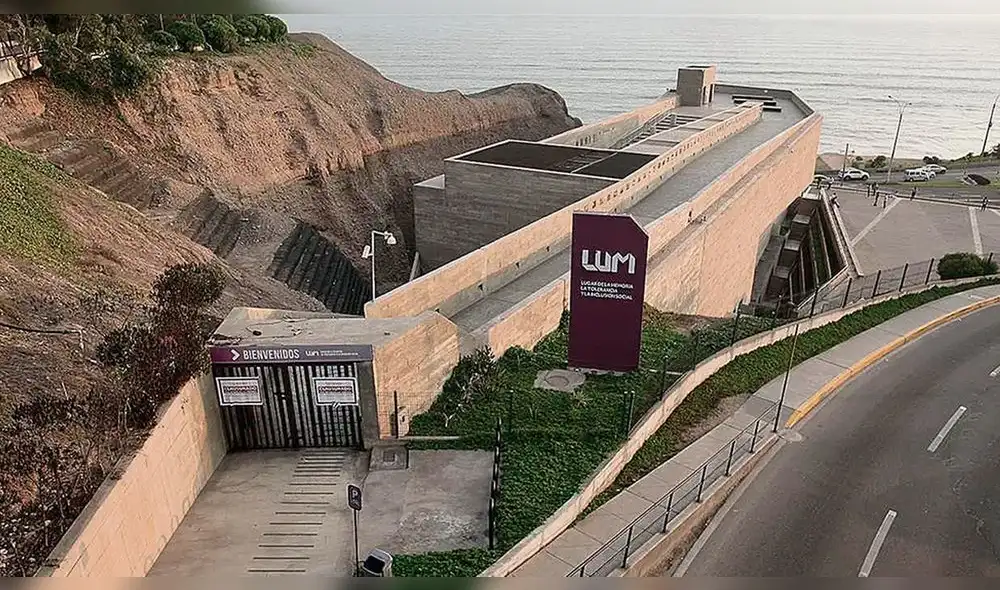
Cienfuegos pointed to the Lugar de la Memoria, la Tolerancia y la Inclusión Social, a museum in Lima known by its acronym LUM, as a case in point. She wrote that the museum has become the target of a political smear campaign, and said the goal is to control the historical narrative. She said she could not understand why, in a country where children increasingly struggle to understand what they read and where crime is rampant, a memory museum would be turned into an enemy.
The LUM was built to commemorate victims of Peru's internal armed conflict of the 1980s and 1990s and to promote tolerance and social inclusion, and it is one of the country's main public institutions dedicated to that period of its history.
Cienfuegos argued that it is not the job of national, regional or local government to decide what does or does not count as art or culture. Government's role, she wrote, is instead to provide the conditions for art and creative work to develop freely, in dignified spaces and without discrimination.
Who gets to decide what counts as art
She wrote that something even more troubling than the campaign against the LUM is Peruvian society's own concept of art. Many people, she said, still do not know that creating art, enjoying it and having access to it is a right. That view, she argued, is still shaped by classism, by centralism both inside and outside Lima, and by a narrowly institutional way of thinking about culture.
For a large part of Peru's political and social establishment, she wrote, art remains merely decorative, something that only makes sense when it entertains or dresses up an official ceremony. She said alarm bells start ringing when art refuses to obey, when it has a voice of its own, and when the person behind a costume or a piece of music is telling a story, or worse, denouncing an injustice.
Cienfuegos wrote that many in power would prefer an art that never turns political: one that never dances out poverty, never paints inequality, never writes verses about corruption, never appears at marches or protests, and never uses state resources to build exhibitions meant to make people remember, question themselves and ask hard questions. The art that cannot be controlled, she concluded, is exactly the art that unsettles people, and it is exactly the art Peru needs most.
Cienfuegos's recent columns
The piece was published alongside a list of Cienfuegos's recent opinion columns for La República, most of which deal with violence, government accountability and the rights of women and children in Peru.
The list included this same column, "The Art That Unsettles," published September 15, 2026.
It also listed "We Are Alone," published September 10, 2026, in which Cienfuegos wrote that the lack of legal protection for women in Peru remains critical, describing a system that she said justifies and normalizes violence against them. She cited data showing that a large majority of men accept violence toward women.
Another column, "Those Who Wait," published August 23, 2026, argued that amid widespread distrust in Peru's institutions, the country's incoming government will need to adopt a decentralized approach and work with civil society to address structural problems.
"Abuse Against Indigenous Girls Must Be a National Priority," published August 10, 2026, said that in many areas, especially rural ones, grassroots organizations, peasant patrol groups known as rondas campesinas, and local defense committees serve as the first line of response to cases of violence.
"A Professional Association of Artists That Harms Artists," published June 30, 2026, argued that Peru's artists do not need a professional association, but rather better working conditions.