


The number of people in Spain inquiring about leaving part of their estate to charity surged to 8,766 in 2025, according to new data from HazTestamentoSolidario.org.
The figure represents a sharp rise from 2021, when only 1,282 people requested information about including non-profit organizations in their wills.
In total, organizations affiliated with the platform received 49 million euros from charitable bequests in 2025. The funds are designated to support projects in healthcare, scientific research, child welfare, humanitarian aid, human rights, refugee support, environmental conservation, and animal protection.
HazTestamentoSolidario.org was established in 2006 to inform the Spanish public about the option to include charitable causes in estate planning. The platform currently brings together 28 non-profit organizations across Spain.
Growth in charitable legacy giving
The platform's annual report, titled Testamentos con Impacto, revealed that charitable bequests are increasingly popular among a broad cross section of society rather than being confined to wealthy individuals. Women accounted for 66 percent of people who created charitable wills in 2025, with most being single or widowed.
The most common age group for testators was between 60 and 69 years old, followed by those aged 50 to 59. Geographically, the highest concentration of inquiries came from Catalonia, Madrid, the Valencian Community, Andalusia, and the Basque Country, which are among Spain's most populous autonomous communities.
Leyre Ayastuy, a spokesperson for Haz Testamento Solidario, said the figures confirm that charitable legacy giving has moved beyond initial interest into concrete action. She noted that more individuals are incorporating solidarity into their life planning, including people with children or close relatives who consider charitable giving a meaningful legacy to share with family and society.
Impact on medical research
The surge in interest has provided vital backing for medical research organizations such as Fundación CRIS Contra el Cáncer. The foundation, a leading entity in oncology and hematology research, recorded a 49 percent increase in inquiries regarding charitable wills in 2025 compared to 2024.
Representatives from the foundation noted that the growth in legacy gifts coincides with cancer solidifying its status as Spain's primary health issue. According to the latest figures from Spain's National Statistics Institute, known as the INE, cancer caused 26.3 percent of all deaths in the country, making it the leading cause of mortality for the third consecutive year.
Lola Manterola, president of CRIS Contra el Cáncer, stated that because cancer remains the leading cause of death in Spain, research must remain a national priority. She emphasized that every bequest serves as a direct investment in science, enabling researchers to launch new projects, develop more effective therapies, and offer expanded options to patients.
Personal experience of a testator
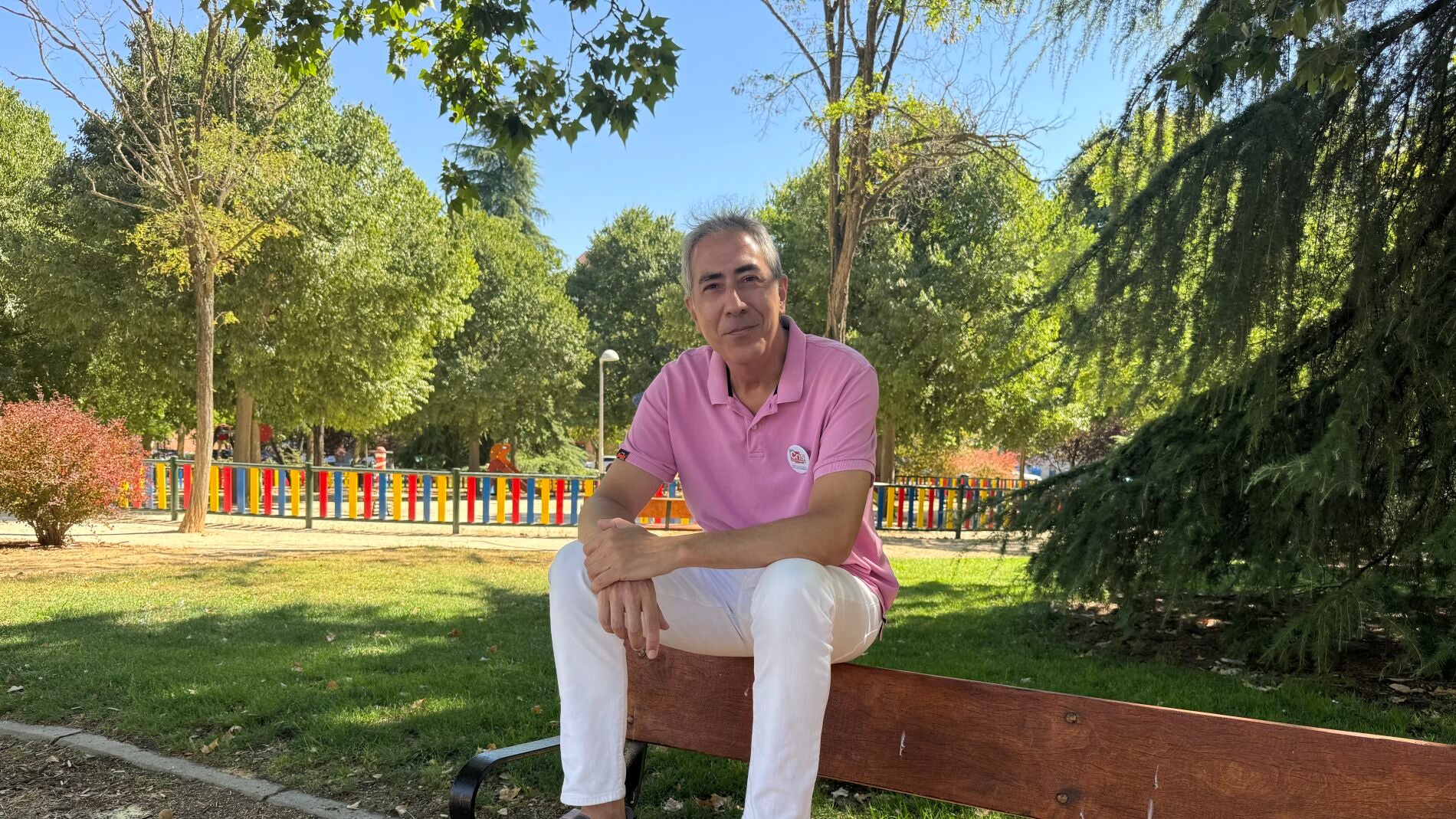
Among those who have chosen to leave a charitable legacy is Fernando García, a physics graduate working in the technology sector who designated Fundación CRIS Contra el Cáncer as a beneficiary in his will.
García explained in an interview with the newspaper LA RAZÓN that he began considering his own will after his father died of cancer at the age of 92. He recalled that witnessing his father's death transformed the abstract reality of mortality into an immediate experience, convincing him not to leave his affairs to chance.
After completing the paperwork for his father's estate, García began reflecting on how his own assets could be used after his death. Although he had previously donated to charities including CRIS Contra el Cáncer during his lifetime, he realized that a bequest allowed his accumulated savings to achieve a far greater impact.
García noted that making a charitable will was significantly easier than he had anticipated. He observed that with proper guidance and a legal notary, an individual's wishes can be clearly recorded and tailored to their specific goals without complex bureaucratic hurdles.
Contribution to scientific progress
García reflected that while regular donations during one's lifetime represent what a person can afford month by month, a final legacy allows work accumulated over decades to continue benefiting others. He remarked that although he cannot take his assets with him, he can ensure they continue supporting scientific research and human life.
As a science graduate, García acknowledged that scientific progress is a collective endeavor and that his personal gift would not cure cancer on its own. However, he expressed confidence that it could help future patients gain access to better diagnostic tools, improved treatments, or simply more time.
For anyone considering a similar step, García recommended gathering information and making a decision freely without focusing initially on the exact financial sum. He suggested asking whether there is a cause worth supporting beyond one's lifetime, adding that taking the step provided him with immense peace of mind.


