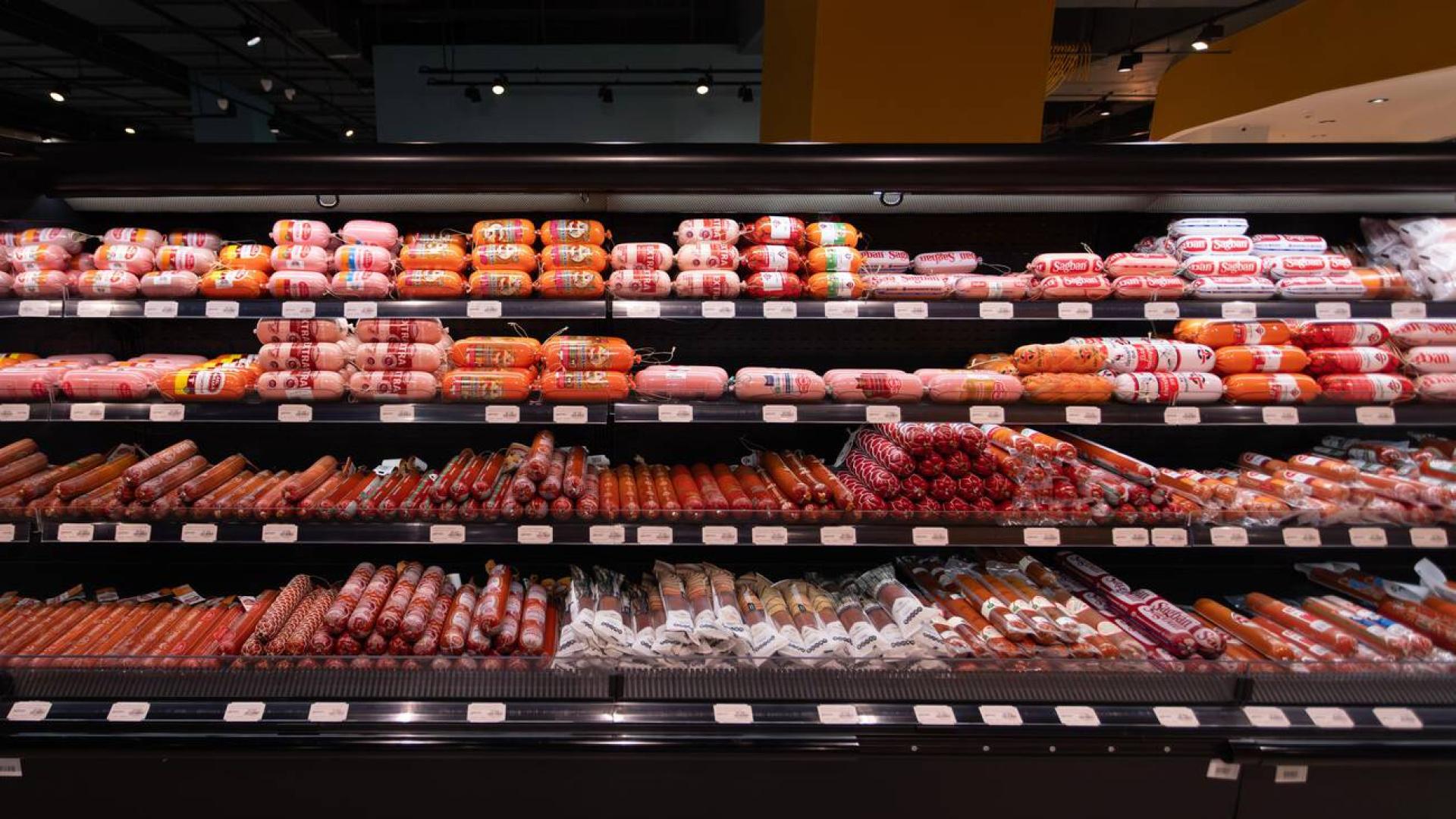
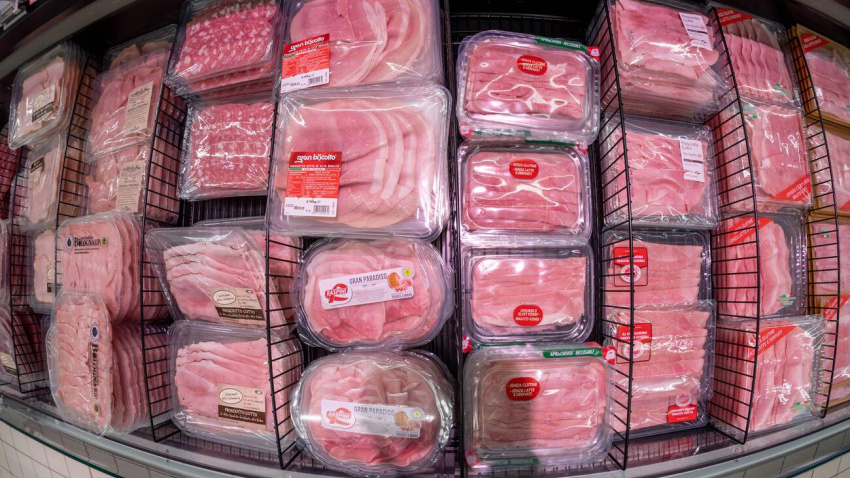
Cardiologist Aurelio Rojas has issued a stark warning on social media about the dangers of processed meat, one of the most common items in household shopping baskets.
Rojas said that eating more than 50 grams of processed meat a week raises the risk of colon cancer by 50 percent. He made the statement bluntly, naming products such as cold cuts, sausages and bacon as particular concerns.
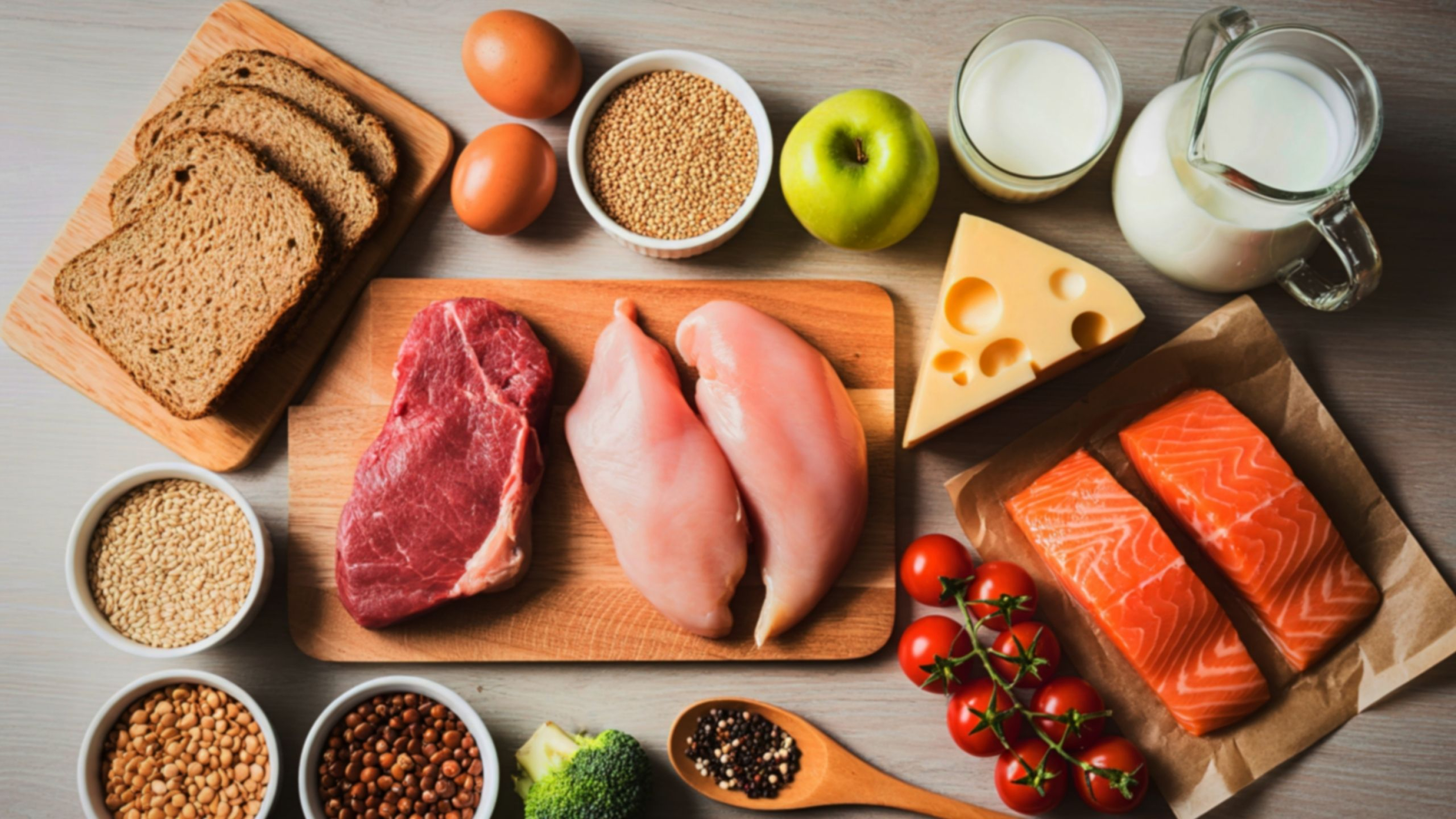
Consuming just over 50 grams of processed meat a week increases the risk of colon cancer by 50 percent.
According to Rojas, the risk is not limited to colorectal cancer. His warning aligns with the position of the World Health Organization (WHO), which links processed meat consumption to 34,000 cancer deaths a year.
The WHO and the International Agency for Research on Cancer (IARC) have classified these meats in Group 1 of carcinogens, the same category as tobacco and alcohol. Despite that classification, Rojas said, supermarkets remain full of these products.
Children's consumption a particular concern
One of Rojas's biggest concerns centers on children. He said that, according to statistics, children eat two to three times the recommended maximum amount of processed meat, a disproportionate level of consumption at an early age that could carry serious long-term health consequences.
Children eat two to three times the recommended maximum amount of processed meat.
Nitrites and nitrates: the additives under suspicion
Rojas said the root of the problem lies in the additives used to produce these meats, specifically nitrates and nitrites. These chemical compounds are used to preserve the meat, give it its characteristic pink color and even increase its volume, which lowers production costs.
Rojas advised consumers to pay close attention to product labeling. He said the key is to identify additive codes ranging from E249 to E252, since their presence confirms that a product contains these compounds.
Science supports the warning. Nitrogen-based additives such as sodium nitrite react in the digestive tract to form substances called nitrosamines, which have a demonstrated ability to damage cell DNA in a process known as genotoxicity.
Recent studies, including research by Queen's University Belfast, have found that the strongest association with tumor development comes specifically from meats cured with synthetic nitrites. Researchers are continuing to look for safer alternatives for preserving food as a result of that finding.
Direct impact on heart health
Beyond cancer, the impact of processed meat on cardiovascular health is equally alarming, according to Rojas. Large-scale research carried out by the University of Oxford and the Karolinska Institute has established a clear link between processed meat consumption and a higher risk of heart disease, driven mainly by the high sodium, saturated fat and nitrite content of these products.
The data from these studies are significant. Habitual consumption of cold cuts and other processed meats is associated with a 20 percent increase in the risk of coronary heart disease and up to a 28 percent higher chance of developing heart failure. Rojas said the figures reinforce the need to drastically moderate intake of these foods in the daily diet to protect heart health.
What happens next
Researchers, including those at Queen's University Belfast, are continuing to search for safer alternatives to synthetic nitrites for preserving processed meat.
Test yourself
According to Aurelio Rojas, how much does eating more than 50g of processed meat a week raise colon cancer risk?
How does the WHO and IARC classify processed meat?
What additive codes does Rojas advise consumers to check for on labels?