
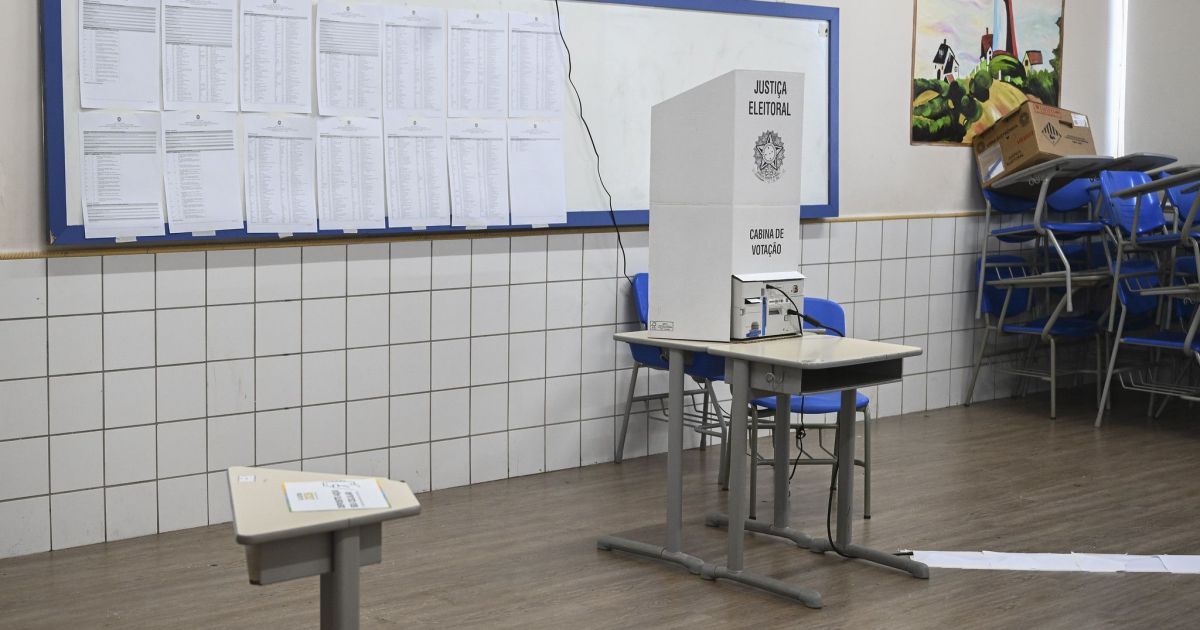
Voters across Brazil can be arrested or detained once again from 5:00 p.m. on Tuesday, following the expiration of temporary electoral immunity rules.
The 5:00 p.m. deadline marks the end of a statutory 48-hour restriction that took effect immediately after polling booths closed for the second round of voting on Sunday, 25 October.
According to the Superior Electoral Court, known as the TSE, the legal protection is established under Article 236 of Brazil's Electoral Code. The court said the rule is designed to prevent detentions from being used to suppress turnout or block citizens from participating in democratic ballots.
Under the regulation, voters cannot be detained or taken into custody during the five days leading up to the runoff vote and throughout the 48 hours following the conclusion of voting, unless specific legal criteria are met.
The law provides only three exceptions that allow police to carry out arrests during this period: when a suspect is caught in the act of committing a crime, in cases involving a final criminal conviction for a non-bailable offence, or when an individual violates a formal safe-conduct order issued by the electoral justice system. For this election cycle, the voter restrictions had taken effect on Tuesday, 20 October.
Legal protections for candidates and staff
Similar electoral protections applied to candidates competing in the second-round runoffs, as well as to election staff working on the ground.
According to the Superior Electoral Court, candidates contesting the runoff cannot be arrested or detained starting 15 days before polling day, except if they are caught in the act of committing an offence. The same immunity applies to polling station workers and official party delegates during the exercise of their electoral duties.
Protections for candidates, poll clerks, and party monitors also expired at 5:00 p.m. on Tuesday. In Brazil, voting is conducted under the supervision of the electoral justice system, a specialized branch of the judiciary headquartered in the capital, Brasília, which handles both voter registration and election dispute resolution.
The safe-conduct orders mentioned in the statute represent special court orders issued by electoral judges to protect individuals against illegal coercion or intimidation that could prevent them from reaching polling stations.
Election day incidents and police reports
Despite the legal restrictions on detaining voters, security forces handled hundreds of incidents across the country during the second round of voting.
As reported by CNN, security operations for the 2026 runoff recorded 721 incidents nationwide up to 9:00 p.m. on Sunday, according to an assessment released by the Ministry of Justice and Public Security.
Authorities confirmed that 59 people were arrested in the act of committing offences, while 169 people were escorted to police stations for suspected electoral crimes. The ministry said officers recorded five road blockages, seized ten vehicles and one firearm, and confiscated 864 pieces of illegal campaign material.
Minas Gerais recorded the highest number of election-related incidents among Brazilian states with 93 occurrences, followed by Rio Grande do Sul with 61 and Goiás with 57.
The Federal Police also published a separate assessment detailing law enforcement operations during the second round. According to the federal agency, officers escorted 41 people to police stations and maintained 11 active investigations into possible flagrant electoral crimes. Officials said the main offences investigated involved irregular campaign propaganda and violations of ballot secrecy.