

Bluetongue disease, known as fièvre catarrhale ovine, is spreading further through the Tarn department in southern France, this time driven by serotype 3 of the virus. By the end of July, 23 outbreaks had been recorded, mostly in the southeastern part of the department.
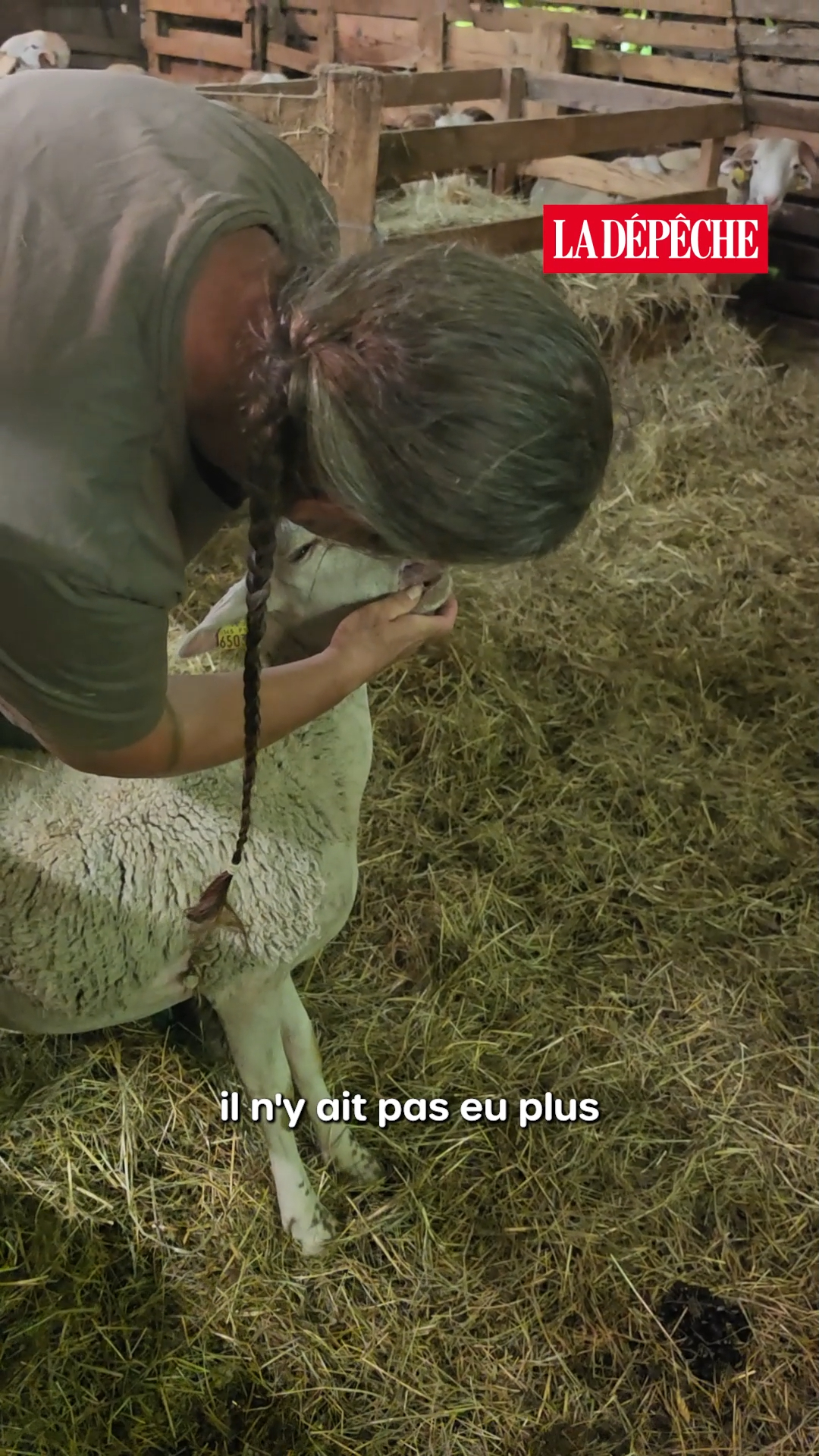
Sheep remain the most affected animals, with 16 outbreaks, followed by cattle with 6 and goats with 1. The symptoms match those seen with serotype 8: high fever, loss of appetite, difficulty moving, scabs on the muzzle, and mouth ulcers. Some animals develop the blue tongue that gives the disease its name.
The disease is rarely fatal, though the weakest animals can die from it. It causes major problems for farmers, including miscarriages, reproductive issues, and sharp drops in yield among dairy animals.
Bluetongue disease spreads through the bite of a small midge. It is not contagious between animals and there is no cure. The local livestock support organization, known as the maison de l'élevage, said the only option is to support the animals' immune systems and make sure they are well watered.
No risk to humans
Vaccination remains the only real remedy against the disease. The maison de l'élevage advises waiting until the end of the hot summer weather before vaccinating, especially since virus circulation is expected to intensify in the autumn as the midges that carry it multiply.
For consumers, there is no risk, since the disease does not spread to humans. Meat and milk from affected animals can be consumed once the illness has passed.
In 2024, the Tarn department was heavily hit by an outbreak of serotype 8, which severely affected farms across the area.