

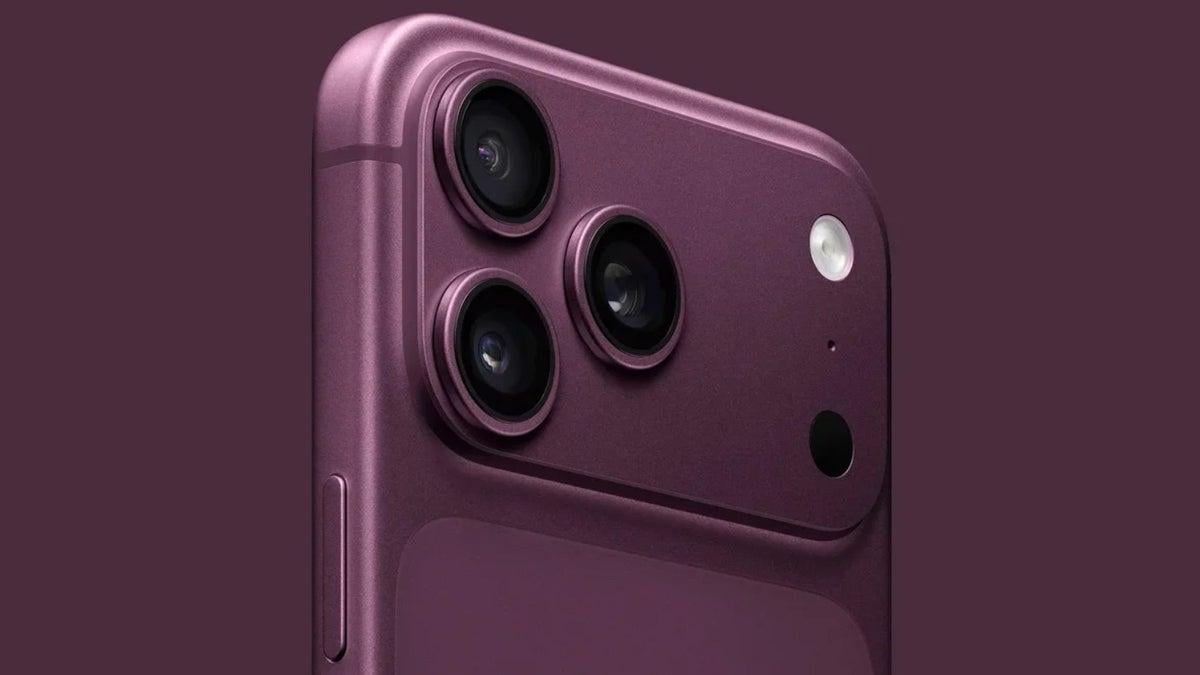
Apple will launch its flagship iPhone 18 Pro in a few weeks featuring a major camera hardware redesign and a 2-nanometer A20 Pro processor, according to reports from tech news outlets 9to5Mac and Bloomberg.
Both hardware changes are expected to deliver significant improvements in everyday performance rather than minor benchmark increases. Tech publication 9to5Mac reported that the new camera assembly and processor stand out as the primary incentives for users considering an upgrade from earlier models.
Apple, headquartered in Cupertino, California, routinely introduces its flagship smartphone hardware line during late summer or early autumn events. The iPhone line remains the consumer electronics giant's central product family, drawing global attention to its annual architectural overhauls.
Upgraded Camera System and Variable Aperture
Bloomberg reporter Mark Gurman stated that the iPhone 18 Pro will feature the largest camera hardware update in recent memory. While Apple traditionally refines its camera systems with each iteration, the upcoming changes represent a substantial mechanical redesign.
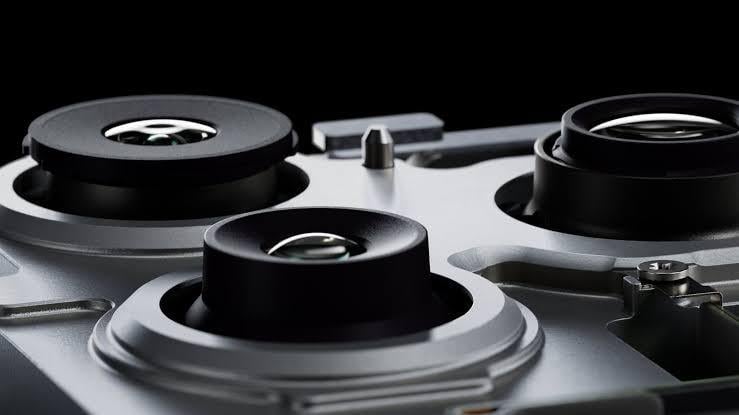
The main rear camera sensor will incorporate larger internal components, resulting in a 2-millimeter increase in thickness across the camera bump area on the aluminum back panel. To accommodate the larger modules, Apple is adding a variable aperture mechanism to the primary camera, a feature that has circulated in supply chain reports for several years.
A variable aperture allows physical blades inside the lens to adjust how much light reaches the imaging sensor, giving photographers direct control over exposure levels and native depth of field. Improvements also extend to the secondary optics. The telephoto lens, which introduced 4x and 8x optical zoom options in the previous generation, is rumored to feature a wider aperture to enhance image quality in low-light environments.
Mobile camera technology has increasingly relied on physical aperture adjustments alongside computational photography algorithms to bridge the gap between smartphone sensors and standalone digital single-lens reflex cameras. Wider apertures allow more photon capture in dark settings without requiring longer exposure times.
Next Generation 2nm A20 Pro Chip
The second major component upgrade is Apple's custom A20 Pro silicon chip. The processor will be manufactured using a 2-nanometer semiconductor process, matching the advanced node technology deployed in Apple's latest M6 desktop and tablet processors.
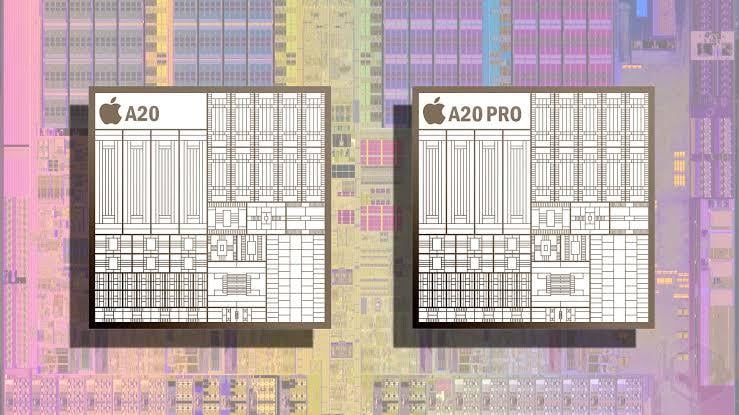
Transitioning from larger process nodes to 2 nanometers provides greater transistor density, yielding improved processing speeds and higher power efficiency. The extra efficiency is expected to support resource-heavy artificial intelligence features planned for the upcoming iOS 27 operating system, including an overhauled Siri voice assistant integrated with Google Gemini artificial intelligence models.
Apple has consistently designed its own custom system-on-chip architectures to tightly integrate hardware components with operating system capabilities. Expanding on-device artificial intelligence processing requires high-bandwidth memory access and enhanced neural processing units, making silicon node shrink vital for mobile device thermal management.
Design Modifications and Color Options
Alongside the main camera and silicon upgrades, the iPhone 18 Pro will feature a smaller Dynamic Island cutout and updated LTPO+ display panels. High-quality concept renders previously revealed that the flagship handset will be available in a Dark Cherry finish, replacing the Cosmic Orange color scheme that distinguished the iPhone 17 Pro.
Apple introduced the Dynamic Island on its Pro handset line as an interactive pill-shaped cutout that blends front-facing camera sensors with live system alerts. Low-Temperature Polycrystalline Oxide display technology enables adaptive refresh rates, allowing the screen to drop to low frequencies to save battery life during static tasks before ramping up to smooth high-rate playback.


