


A rift has opened in the Spanish Socialist Workers' Party of Andalusia as socialist mayors defy regional leader María Jesús Montero over Ceuta support rallies.
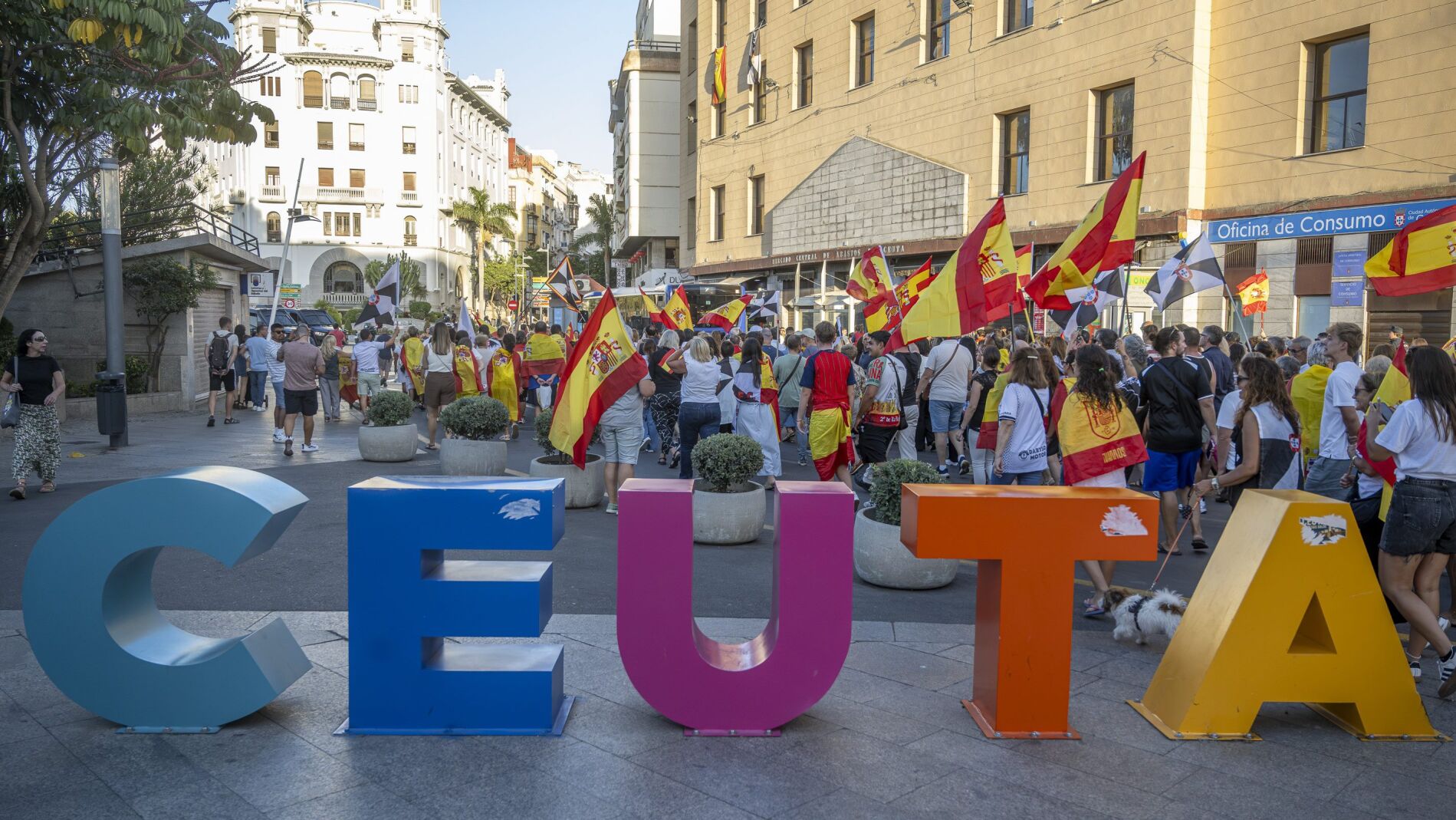
Town councils across the southern Spanish region are joining public demonstrations called by the Spanish Federation of Municipalities and Provinces for Ceuta Day. The widespread municipal participation directly violates directives issued by the regional party executive ordering local branches to boycott the events.
Montero, who serves as secretary general of the regional socialist branch, instructed local mayors not to attend any gatherings. She claimed the initiative was being politically instrumentalized by the governing conservative People's Party of Andalusia. Montero argued that if the regional administration truly wanted to assist the North African enclave, it should comply with Spanish law by accommodating unaccompanied migrant children who require dignified care.
The defiance highlights growing internal friction facing Montero, who took control of the Andalusian branch under a strategy coordinated by the party national headquarters in Madrid. Local party figures had questioned why Montero left her cabinet responsibilities in the central government to lead a regional federation in crisis following its loss of power in Andalusia. Internal discontent previously surfaced prior to the regional elections on May 17, when the provincial executive commission in Cádiz nominated Juan Cornejo as the lead candidate on its election list. Montero attempted to replace Cornejo with her close associate Fernando López Gil, but regional party leadership eventually relented to prevent an open conflict ahead of the vote.
Widespread defiance among municipal leaders
Defiance of the regional directive has been notable in Huelva province, where several socialist-led councils confirmed plans to participate in the Ceuta Day gatherings. Mayor Gustavo Cuéllar of Moguer defended the decision as a matter of territorial solidarity, empathy, and institutional unity. He stated that local authorities had a duty to express peaceful, respectful support for the people of Ceuta during an exceptionally sensitive period. Cuéllar emphasized that government, territory, and population must work together under shared principles of respect and social peace, noting that no official party directive prohibiting the event had reached his local branch.
The municipality of Fuenteheridos also confirmed its intention to join the national federation rallies. In Aracena, municipal authorities scheduled a public gathering to address the social and humanitarian crisis that developed in Ceuta in late July, confirming the event was launched following an initiative by a local resident originally from the enclave.
In Almería province, socialist mayors governing Cuevas del Almanzora, Viator, and Antas announced their municipal administrations would endorse the solidarity events. Town councils in all three municipalities released statements emphasizing that mutual respect and civic unity between local communities are essential during complex crises.
A contrasting situation emerged in the Almería municipality of Serón, where socialist Mayor Manuel Martínez Domene used social media to denounce a fraudulent notice posted in the town council's name. The unauthorized post had falsely announced a local rally for Ceuta. Martínez Domene confirmed that municipal authorities would file a formal complaint with the Guardia Civil, Spain's national police force, to identify those responsible.
Friction in Seville and parliamentary boycott
Municipal leaders in Seville province displayed divided approaches to the regional directive. In Espartinas, a municipality located in the Aljarafe region near Seville, the town council scheduled a gathering outside town hall for 12:00 PM on Thursday. Local officials described the rally as a non-partisan initiative focused on unity rather than political confrontation. Meanwhile, the town council of Aznalcázar issued a formal statement expressing solidarity with Ceuta but announced it would refrain from attending public events that could generate social division or political friction.
Institutional friction also manifested in the regional capital of Seville. The official flag of Ceuta was scheduled to fly on Wednesday from the facade of the Parliament of Andalusia building, housed in the historic sixteenth-century Hospital de las Cinco Llagas. Parliamentary President Ana Mestre organized the flag raising for 9:30 AM to mark Ceuta Day and show solidarity with the autonomous city.
The parliamentary ceremony drew sharp political disagreement. The Andalusian Socialist Workers' Party, along with left-wing parliamentary groups Adelante Andalucía and Por Andalucía, announced a boycott of the event, asserting it was being used by the People's Party for political gain. Conversely, representatives from the conservative Vox party confirmed their group would participate in the ceremony.
Regional executive trip to Brussels and PP criticism
Andalusian Regional President Juanma Moreno traveled to Brussels to participate in a rally supporting Ceuta outside the European Parliament headquarters. Regional executive sources confirmed the trip followed Moreno's institutional visit to Ceuta on August 20, 2026, where he met with Ceuta President Juan Jesús Vivas, the Chamber of Commerce, and the Confederation of Employers to discuss the migration crisis. Moreno pledged to leverage his role as vice-president of the European Committee of the Regions to secure European representation for Ceuta, stating that the city must be placed at the heart of Europe starting in September.
Leadership from the opposition People's Party of Andalusia condemned the socialist stance. Antonio Repullo, secretary general of the party, described the municipal rallies as apolitical demonstrations for a sister territory. Repullo charged that Prime Minister Pedro Sánchez and the central government had failed to manage the crisis effectively, accusing Montero of fostering political division and turning her back on the residents of Ceuta.


