


Writing a specific list of pending tasks before going to bed can help people fall asleep faster, according to a study by Baylor University.
The laboratory experiment, published in the Journal of Experimental Psychology, observed that spending five minutes noting down concrete future obligations was associated with quicker sleep onset in healthy young adults.
Researchers led by Michael Scullin at Baylor University recruited 57 healthy young adults for the sleep study. Participants were randomly divided into two groups, and their rest was directly monitored using polysomnography rather than relying on self-reported impressions upon waking.
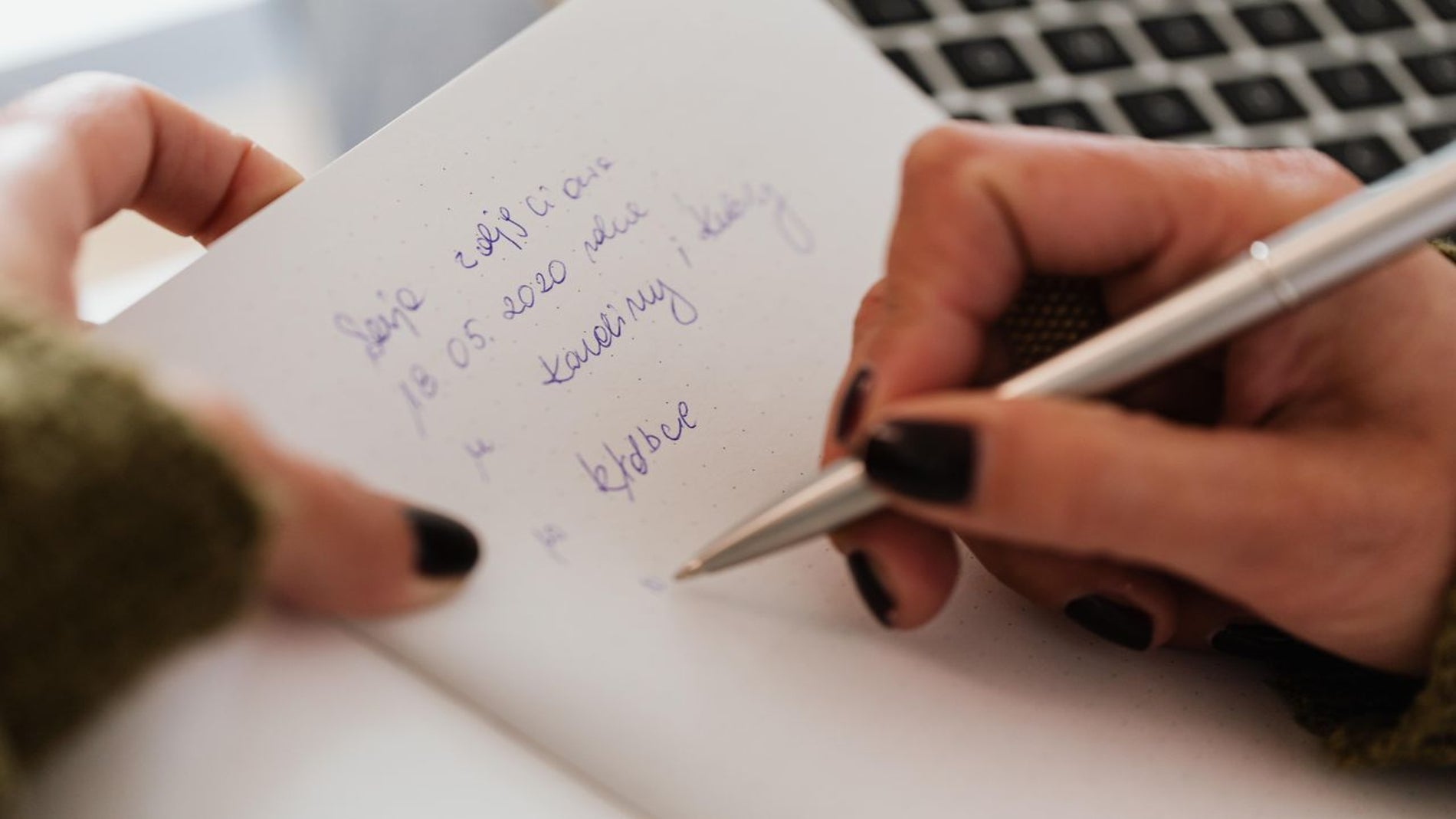
During a five-minute test period before bed, one group wrote down tasks they needed to complete in the following days, while the other group listed activities they had already finished. All participants then went to sleep in the laboratory without access to electronic devices or additional work tasks.
The experiment revealed that participants who wrote down pending tasks fell asleep significantly faster than those who reviewed completed activities. On average, the difference in sleep onset time between the two groups was around nine minutes.
The study also identified a key detail regarding the clarity of the entries. Within the future task group, individuals who wrote more specific lists fell asleep faster than those who recorded vague worries, suggesting that naming a concrete action helps unload the mind more effectively.
Cognitive offloading and sleep mechanics
Scientists describe this mental process as cognitive offloading, a psychological mechanism similar to using a planner or setting an alarm. When obligations are recorded on an external medium, the brain stops constantly holding onto each intention, reducing the need to mentally rehearse tasks to prevent forgetting them.
Late at night, when daily distractions disappear, unresolved responsibilities such as a pending phone call or unfinished work often resurface. Trying not to think about these tasks often backfires, as monitoring whether a thought has disappeared forces the mind to stay vigilant.
The physical page serves as a temporary storage site for tasks that cannot be resolved immediately. Reserving a few minutes to write down precise actions reduces the open items that memory must maintain as sleep approaches.
Broader sleep research emphasizes the neurological impact of rest. Recent studies at the University of Denver confirm that sleep deprivation does not merely induce tiredness, but actively alters brain function. Harvard neurologist Alvaro Pascual-Leone noted that a primary risk is losing that cognitive connection, explaining that obtaining good sleep alone is not always sufficient.
Limitations of the laboratory experiment
The study authors stressed that their findings describe a modest benefit in a very specific setting and should be interpreted with caution. The participants had no diagnosed insomnia and were observed for only a single night in the laboratory.
Consequently, researchers cannot present the technique as a clinical treatment or guarantee that it will produce identical results for older adults, shift workers, or individuals suffering from anxiety disorders.
Experts also warn against turning night-time list making into a source of stress. Activities such as calculating schedules, evaluating priorities, or opening email accounts can elevate psychological activation and prolong wakefulness, frustrating the original goal.
Environmental factors and routine habits remain crucial to sleep quality. An unfamiliar room can trigger the first-night effect, while noise, light, caffeine, or an irregular sleep schedule create obstacles that a written list cannot overcome.
Practical recommendations for nightly routines
For individuals interested in trying the technique, researchers recommend using concrete action verbs, such as calling the dentist, submitting a report, or purchasing fruit. Once written, the notebook should be closed and execution postponed until the next day.
If a new thought occurs after the lights are turned off, it should be added as a single line without reopening the full planning process. The goal is to safely postpone tasks rather than initiate another workday.
While sleep aids such as eye masks can provide minor benefits in specific scenarios, sleep relies on multiple factors. If sleep difficulties persist, cause daytime drowsiness, or impair daily activities, writing a list does not replace a professional medical evaluation.
The practice remains attractive because it is inexpensive, brief, and easy to abandon if it proves unhelpful. Ultimately, the study demonstrates that contemplating future tasks before bed does not inherently keep a person awake, provided those thoughts are transferred to an external record. Writing offers a way to provisionally close the day and allow the mind to let go of pending tasks until morning.


