

Residents of Russian-occupied Crimea are living without reliable electricity, water, or fuel after Ukrainian drone strikes knocked out energy infrastructure across the peninsula, the Current Time television and online network reported.
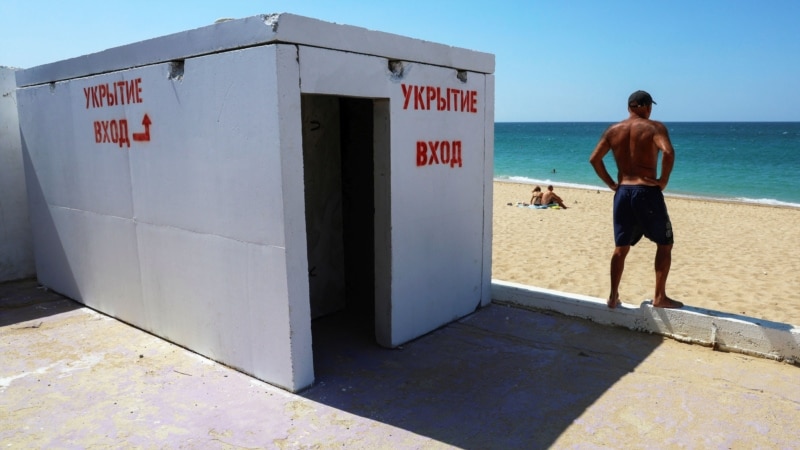
The energy company Krimenergo confirmed that power cuts are occurring across the entire peninsula and said precise hourly schedules by district are currently unavailable. Residents have been going to large stores, which run on generators, to charge their mobile phones and other devices.
Posts on social media described going six days without electricity, water, or reliable communications. Residents said they were trying to stay positive but that securing food had become the immediate priority.
Ukraine's Forces of Unmanned Systems said they struck six energy nodes in occupied Crimea on July 28 and 29 alone. Mikhail Razvozhaev, the Kremlin-appointed governor of Sevastopol, has not addressed the outages publicly and has instead been urging residents to join mobile fire groups.
Crimeans have complained widely on social media about inaction by the occupation authorities, saying officials report to Moscow that problems with electricity and fuel have been resolved while the problems in fact continue.
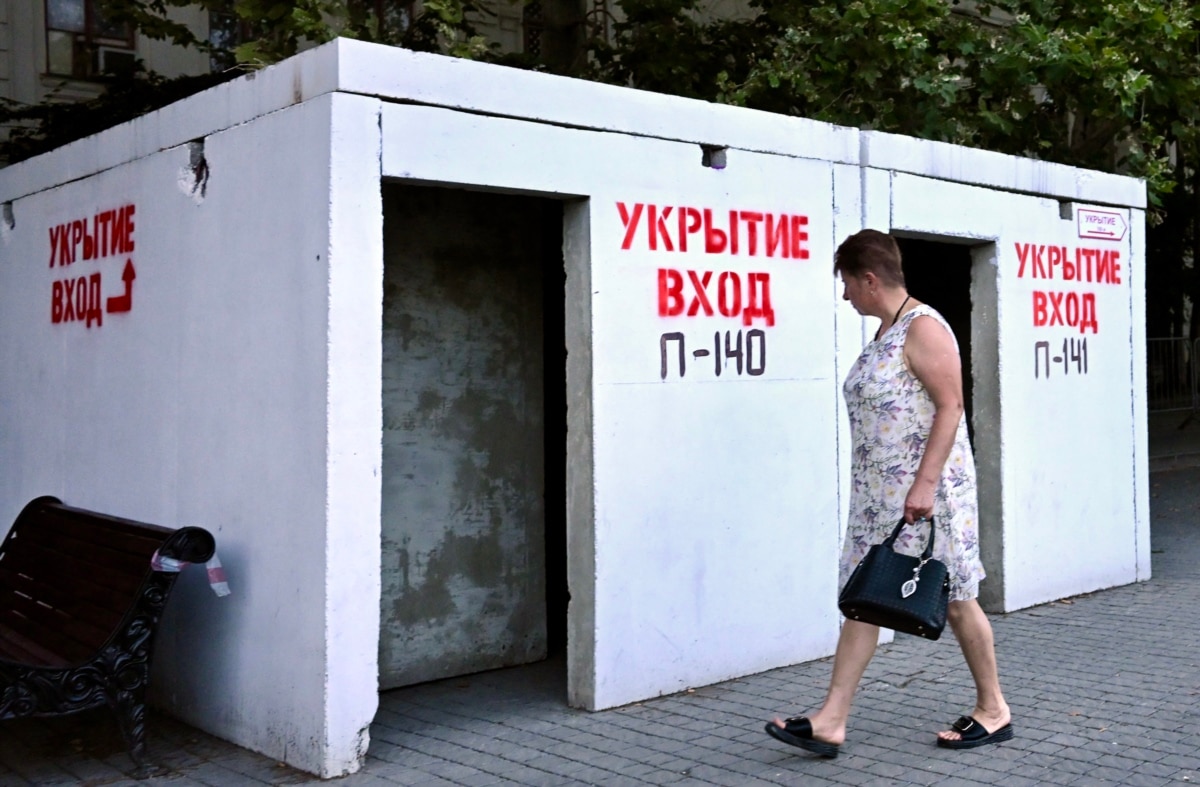
One resident described the situation in Yalta, saying power had been cut and was only partially restored with continued intermittent outages. She said people were fleeing and afraid of strikes, and that she was considering moving to the Russian city of Sochi but was reluctant to do so.
Denis Chistikov, deputy permanent representative of Ukraine's president in the Autonomous Republic of Crimea, told the Ukrainian publication New Voice that tourists, Russians who moved to Crimea after the 2014 occupation, and businesses are all leaving the peninsula, though getting out is not easy.
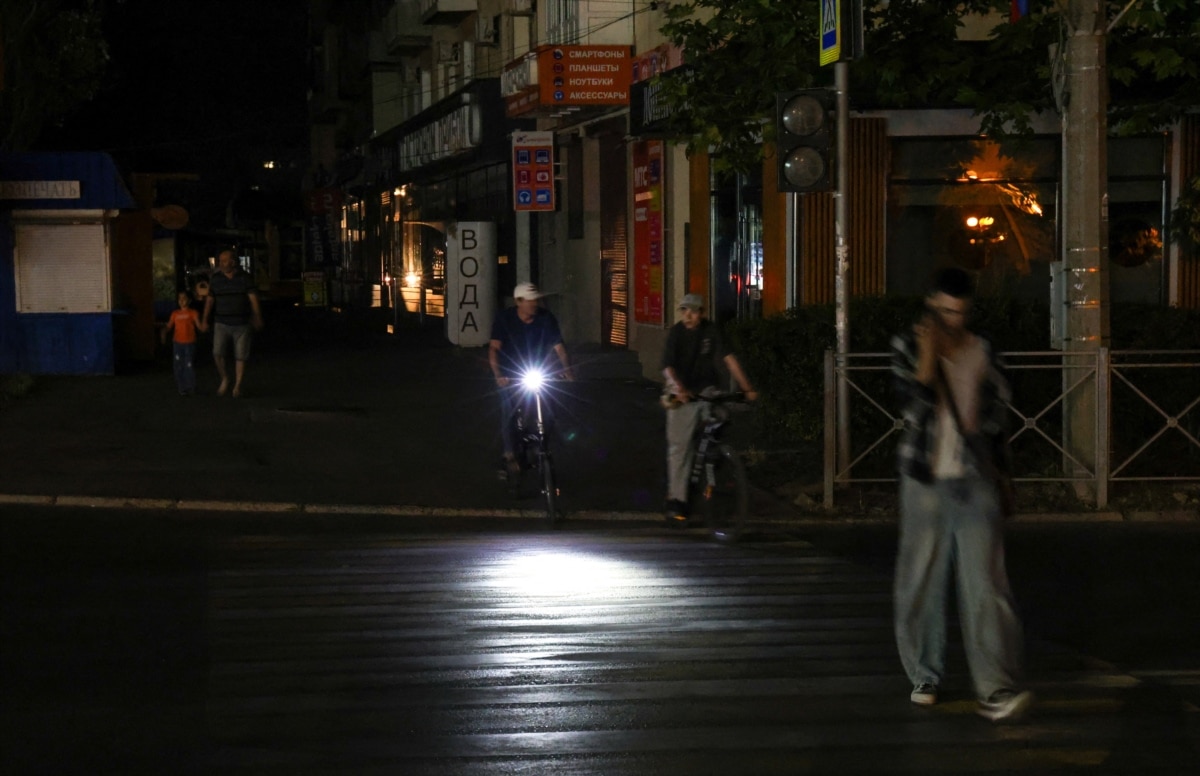
A fuel crisis is compounding the difficulties. The Telegram channel Krymsky Viter reported that some petrol stations have stopped displaying prices and are only indicating whether fuel is in stock. A Yalta resident filmed the city's seafront in complete darkness, with only bicycle lights visible, and said he had never seen it that way before. He called for peace and said he had seen enough of war.
"War has come to Crimea"
Alexander Liev, who served in the Crimean government from 2010 to 2014, said on air on Current Time that the situation on the peninsula could be summed up in a single phrase: war had come to Crimea. He added that it should have come as early as 2022.
Liev said that after two months of active drone operations by Ukrainian forces, 12 districts of Crimea now have power outages, with some areas going without electricity for 12 to 15 days. He said the timing in July made the situation especially harsh, because the absence of electricity means no water supply, and without water purification intestinal infections begin to spread.
He said the disruption was the price for the occupation authorities having deployed military positions on the peninsula to wage war against Ukraine.
Liev also said that Crimea's tourism industry effectively died in 2014. Before the occupation, he said, there were international flights from Frankfurt, Riga, Istanbul, and Baku, with Istanbul alone running three flights a day. About one million people visited Crimea annually before the occupation; since 2014 only Russians have come, and that number does not make the tourism business profitable. In 2026, he said, there is no tourism in Crimea at all.


