


The United States has sent North Atlantic Treaty Organization allies a questionnaire measuring their support for American foreign policy before deciding how to distribute military resources in Europe, Bloomberg reported. The document asks member governments whether they have publicly expressed support for United States foreign policy, placed restrictions on American military base usage, or indicated a willingness to favor contracts with American defense firms.
The questionnaire arrived several weeks after the Pentagon launched a six-month review of its European military presence in June, a process scheduled to conclude in December with potential force reductions. The document highlights friction points between Washington and its allies, including European opposition to the war against Iran, an operation to capture former Venezuelan president Nicolás Maduro, and European Union rules for awarding defense contracts to European companies.
European defense responsibility and troop deployments
The review belongs to a broader strategy aimed at shifting greater responsibility for conventional European defense onto European nations. The United States currently maintains between 80,000 and 100,000 military personnel across Europe, with Germany serving as the principal operational center. Bases in Germany are also vital for American operations in the Middle East and Africa. The administration of President Donald Trump maintains that these forces must adapt to strategic priorities elsewhere, particularly in the Indo-Pacific region.
Tensions between Washington and European capitals are longstanding, as Donald Trump has repeatedly accused NATO members of depending excessively on American support and threatened to scale back commitments. The war with Iran created a new rift, leading the president to publicly raise the prospect of leaving the alliance after several European governments refused to join specific operations. Washington also criticized restrictions on military installations, such as Spain prohibiting American bases on its territory from supporting strikes against Iran and subsequently closing its airspace to mission aircraft.
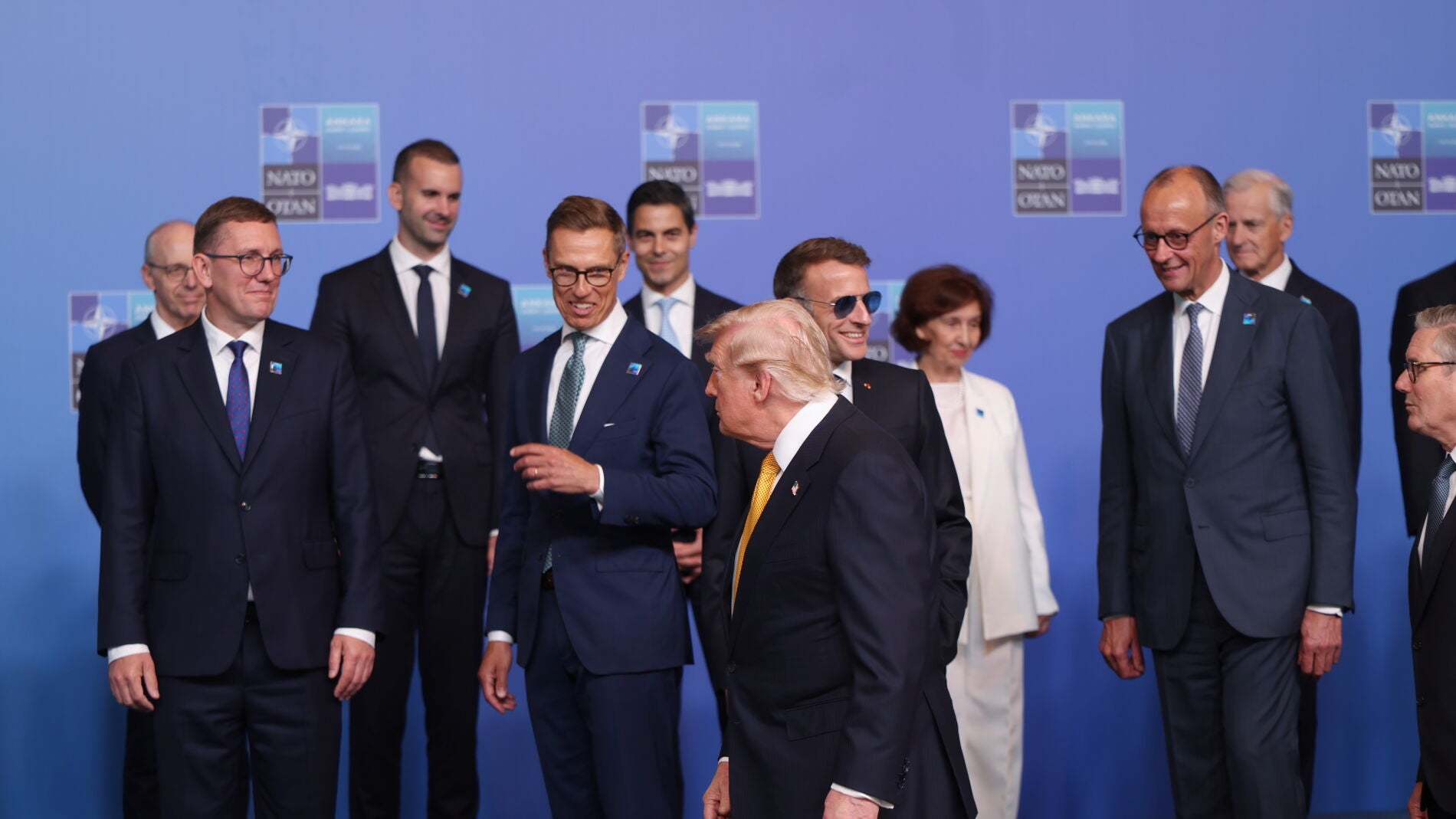
United States Secretary of Defense Pete Hegseth called the refusal of certain allies to facilitate operations shameful. During the July summit in Ankara, Donald Trump framed the issue as a test of the transatlantic relationship, stating that he requested help from allies to test their response and explicitly naming Italy, Germany, and France as countries that declined his requests. He questioned why the United States spends hundreds of billions of dollars when allies fail to offer support in return.
Troop reductions in Germany and NATO summit outcomes
American warnings have already led to concrete adjustments. In May, Washington announced plans to withdraw approximately 5,000 troops from Germany over a period of six to twelve months. Meanwhile, repeated changes to deployment plans targeting Poland generated confusion within the Pentagon and among allies on the eastern flank.
Tensions eased somewhat at the Ankara summit, where European leaders sought to demonstrate an increased commitment to collective defense. NATO Secretary General Mark Rutte emphasized the unity of the 32 member states following the meeting, and the final summit declaration affirmed that European allies and Canada must assume greater responsibility for transatlantic security. Reports following the summit noted that the alliance had managed to navigate another crisis with Donald Trump, though questions remain regarding long-term American commitments.
NATO officials also contested several claims made by Washington regarding the conflict with Iran. Mark Rutte noted that while Spain limited base access, other allies generally upheld existing agreements governing American military operations. The Pentagon continues its review without disclosing the potential scale of further withdrawals, leaving officials to determine how many troops can be removed without undermining deterrence against Russia as Washington seeks to shift resources to other global priorities.


