The United States Navy has moved up by eight years its plan to deliver 35 medium landing ships for the U.S. Marine Corps, with the complete fleet now projected to be ready in 2035, according to the Congressional Budget Office (CBO).
Under the previous timeline, the last of the 35 vessels was not expected to enter service until 2043. The new schedule examined by Congress brings that date forward by eight years, the CBO said in an analysis published on November 19, 2026. The office's role is to review the Navy's plans and estimate what they would cost the federal budget, and it cautioned that the 2035 date is a projection tied to the new schedule, dependent on funding being approved and shipyards delivering the vessels on time.
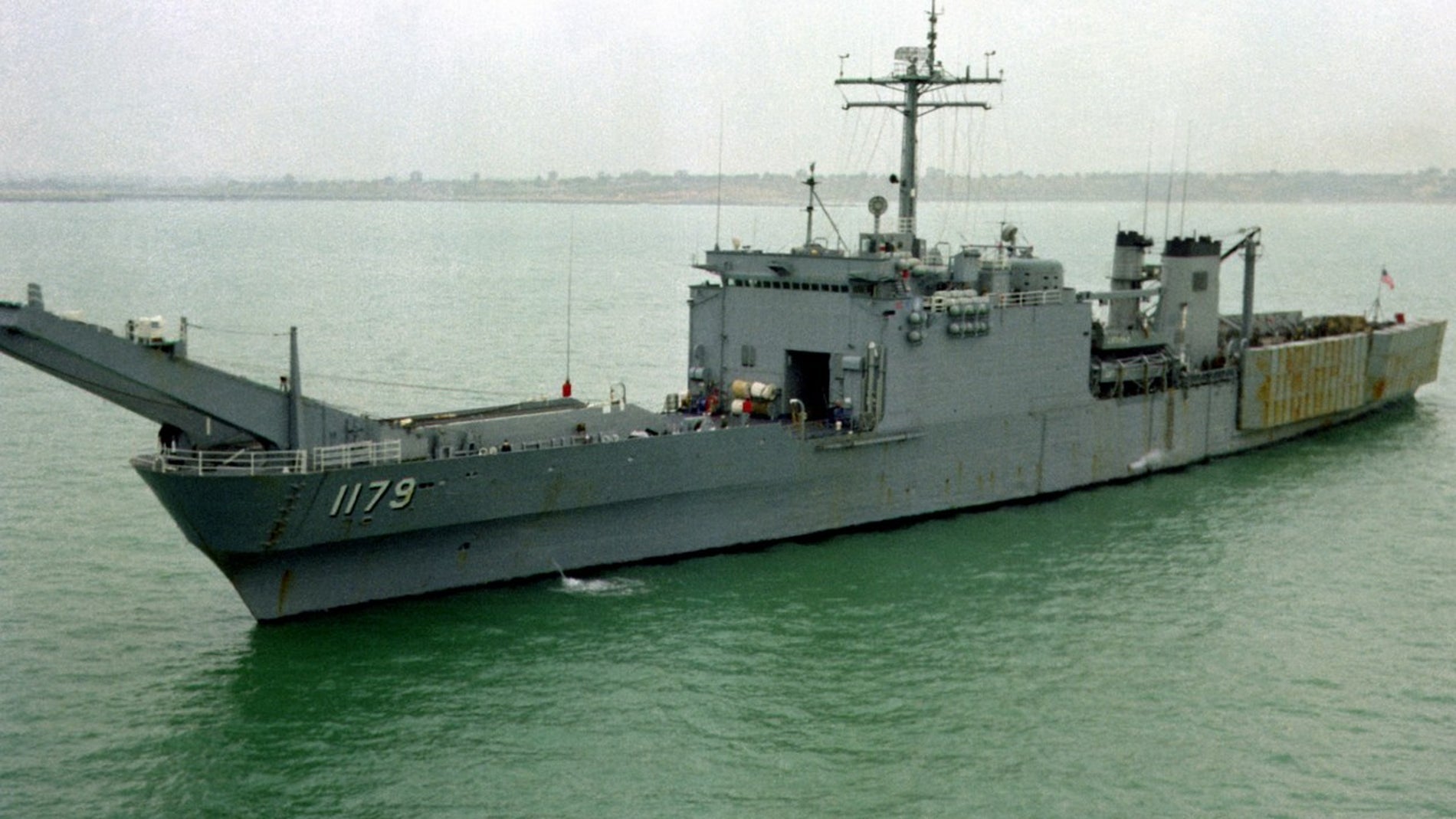
The American designation for the category is Medium Landing Ship, or LSM. These are mid-sized landing vessels built to move personnel, vehicles and supplies between coastal locations. The Navy would purchase the ships to serve the Marine Corps, a division of responsibility that explains why the plan carries one institution's signature while the need for the ships belongs to another.
Ten ships funded, 25 more to come
Congress has already funded ten of the vessels, in fiscal year 2026. The CBO's analysis forecasts the purchase of another 25 through fiscal year 2032. In 2027, the first year of the new plan, the Navy intends to buy six ships. Purchase dates come before delivery dates because construction, testing and acceptance of each ship take place in between.
Why the Navy wants 35 ships
The total of 35 comes from a study carried out by the Department of the Navy. The Congressional Research Service has explained that the initial target was 18 ships, and that 35 would cover the full need identified in that study. In exercises such as those carried out by Marines in Hawaii, the distance between islands is part of daily operations. Having a ship listed in the inventory also does not guarantee it is available, since it may be undergoing maintenance in a shipyard.
The count of medium ships runs on a separate track from large amphibious ships, which have their own legal minimum of 31 units. The two figures describe complementary fleets. Much of the debate over U.S. naval purchases, from new frigates to transport vessels, comes down to deciding which missions justify a large ship and which call for a more modest one.
Named after Major Megan McClung
The first ship in the class will be named after Major Megan McClung, a Marine Corps public affairs officer who died in Iraq in 2006. The Navy announced the name in January 2025. That same year, it selected the LST 100 design from the Dutch shipbuilder Damen as the basis for the new class. The scale of the ship contrasts with larger vessels that carry embarked aircraft, such as those that support Harrier deployments.
For the Marine Corps, the real test of the new schedule will be in the deliveries themselves. Funding ten ships and scheduling the purchase of 25 more allows planners to anticipate when all 35 could be assembled. Whether the last of them docks in 2035 will depend on the money Congress approves and the actual pace of construction over nearly a decade.
What happens next
The Navy plans to buy six of the medium landing ships in 2027, with the CBO projecting the remaining purchases to continue through fiscal year 2032 and the full 35-ship fleet delivered by 2035, if funding and shipyard schedules hold.
Test yourself
According to the CBO's new schedule, by what year could the US Navy have all 35 medium landing ships ready?
How many medium landing ships has Congress already funded as of fiscal year 2026?
Who is the first medium landing ship in the new class named after?
Where it happened
Washington, D.C., United States