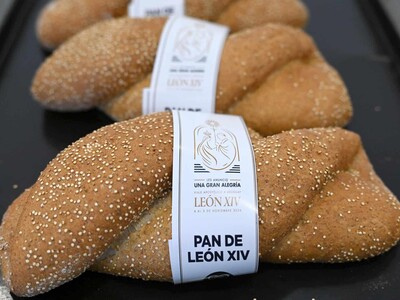
Artisanal bakeries across Uruguay have launched a commemorative bread named after Pope Leo XIV to celebrate his upcoming visit to the South American nation.
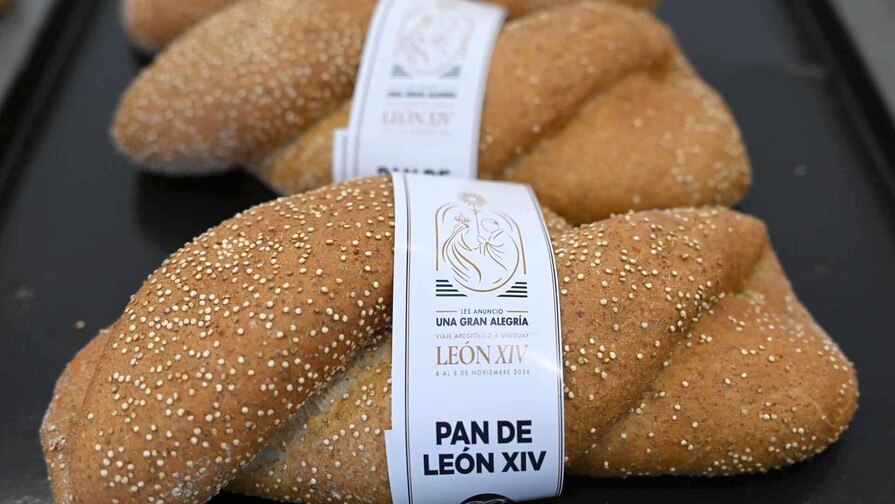
The loaf, known as Pan de León XIV, was created by the Centro de Industriales Panaderos del Uruguay and will be sold in neighbourhood bakeries starting on Monday.
Bakers designed the recipe to reflect the personal history of the pontiff, Robert Prevost, combining staple agricultural ingredients from the United States, Peru, and Uruguay.
Symbolic ingredients trace papal history
The recipe incorporates rye flour to represent Chicago, the American city where the pope was born and raised. It also includes potato, corn, and quinoa to honour Peru, where he served for many years as a missionary and Catholic bishop.
Quinoa, corn, and potatoes represent ancient Andean staples that have sustained regional communities for thousands of years. Rye, by contrast, is a hardy northern cereal grain that became deeply ingrained in midwestern American baking through European immigrant communities in Chicago.
Uruguayan baking traditions provide the foundation for the new loaf. Local bakers used a traditional Uruguayan French bread base, prepared with sourdough culture, wheat flour, and yeast.
Unlike standard baguettes, South American pan francés in the River Plate region is baked as an airy, crusty roll that forms the centrepiece of everyday meals. The Centro de Industriales Panaderos del Uruguay, which represents artisanal bakery owners across the country, sought to showcase these neighbourhood methods over industrial commercial bread.
Bakers crafted the dough in the shape of a rondin, a classic curved roll standard in Uruguayan shops. The curved lines simulate an embrace, which the association said was intended to convey a warm message of encounter to families across the country.
Church leadership welcomes bakery tribute
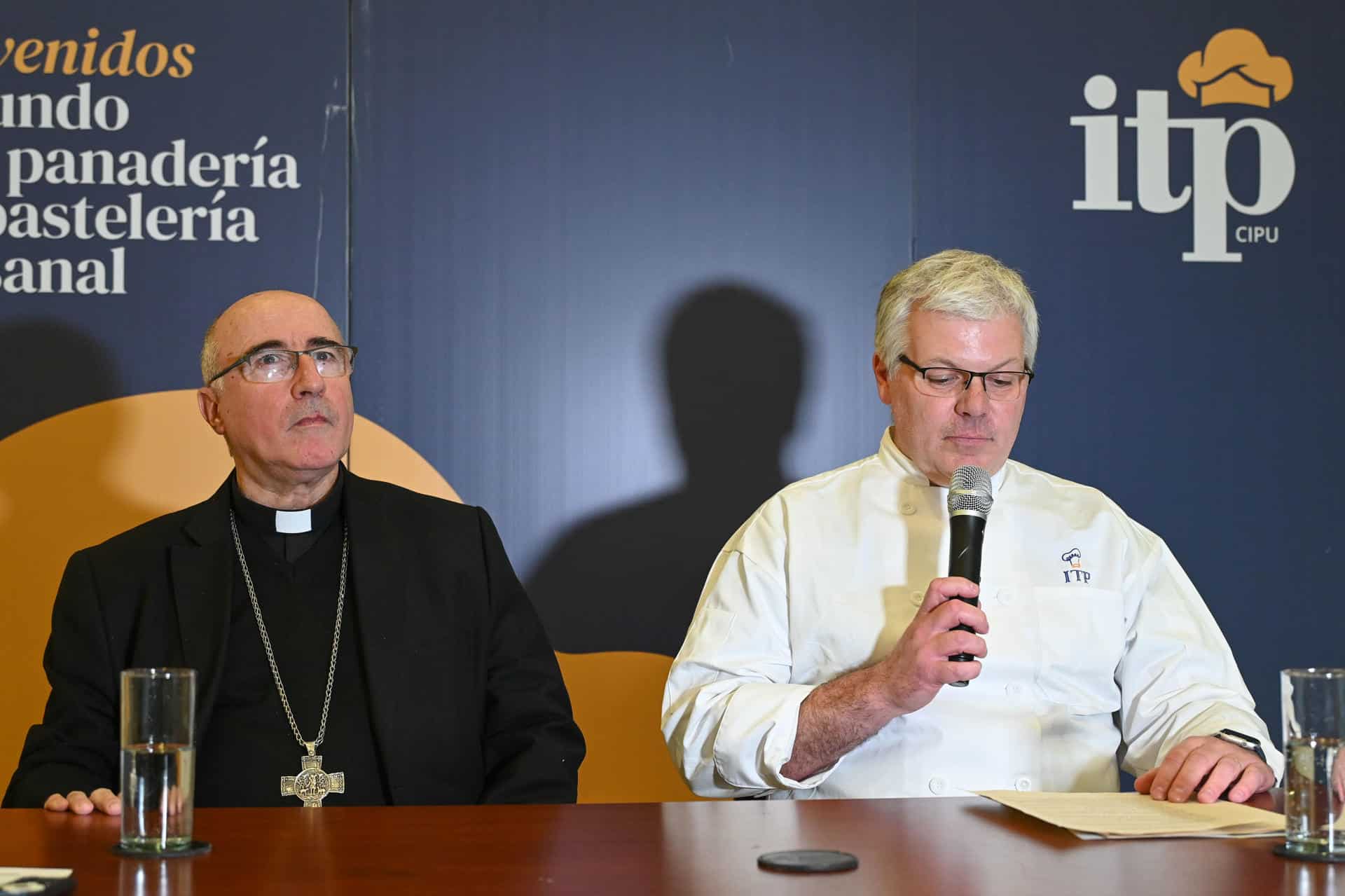
The initiative won strong praise from the Archbishop of Montevideo, Cardinal Daniel Sturla, during an official presentation held in the capital on 26 October.
Fernando Jaime, the president of the bakers association, appeared alongside Cardinal Sturla to present the commemorative project to the public.
Master Baker Carlos Varela displayed freshly baked samples taken straight from the oven during the gathering, presenting the finished loaves to church and industry representatives.
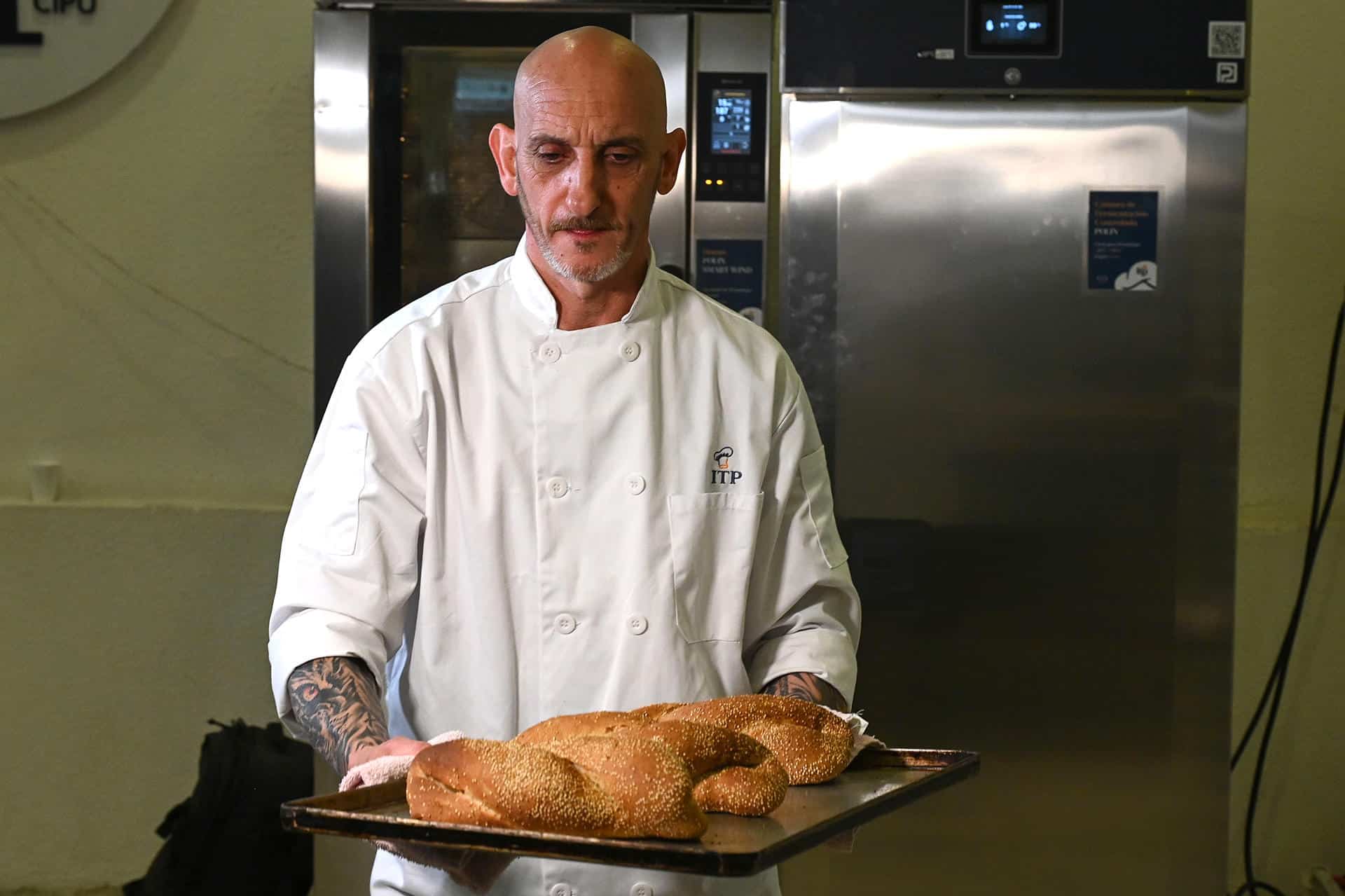
Cardinal Sturla said the project carried deep meaning because of the fundamental cultural importance of bread in Mediterranean history. European immigrants from Spain and Italy brought artisanal baking methods to Uruguay in the nineteenth and twentieth centuries, establishing neighbourhood panaderías as cornerstones of daily community life.
The cardinal noted that drawing rye from Chicago, Andean crops from the pope's mission work in Peru, and sourdough from local Uruguayan tradition showed meticulous planning and resulted in a fantastic culinary tribute.
Cardinal Sturla has led the Archdiocese of Montevideo since 2014 and was elevated to the College of Cardinals in 2015, serving as the senior Catholic prelate in a nation known for its strong secular constitution and civic traditions.
Vatican confirms South American itinerary
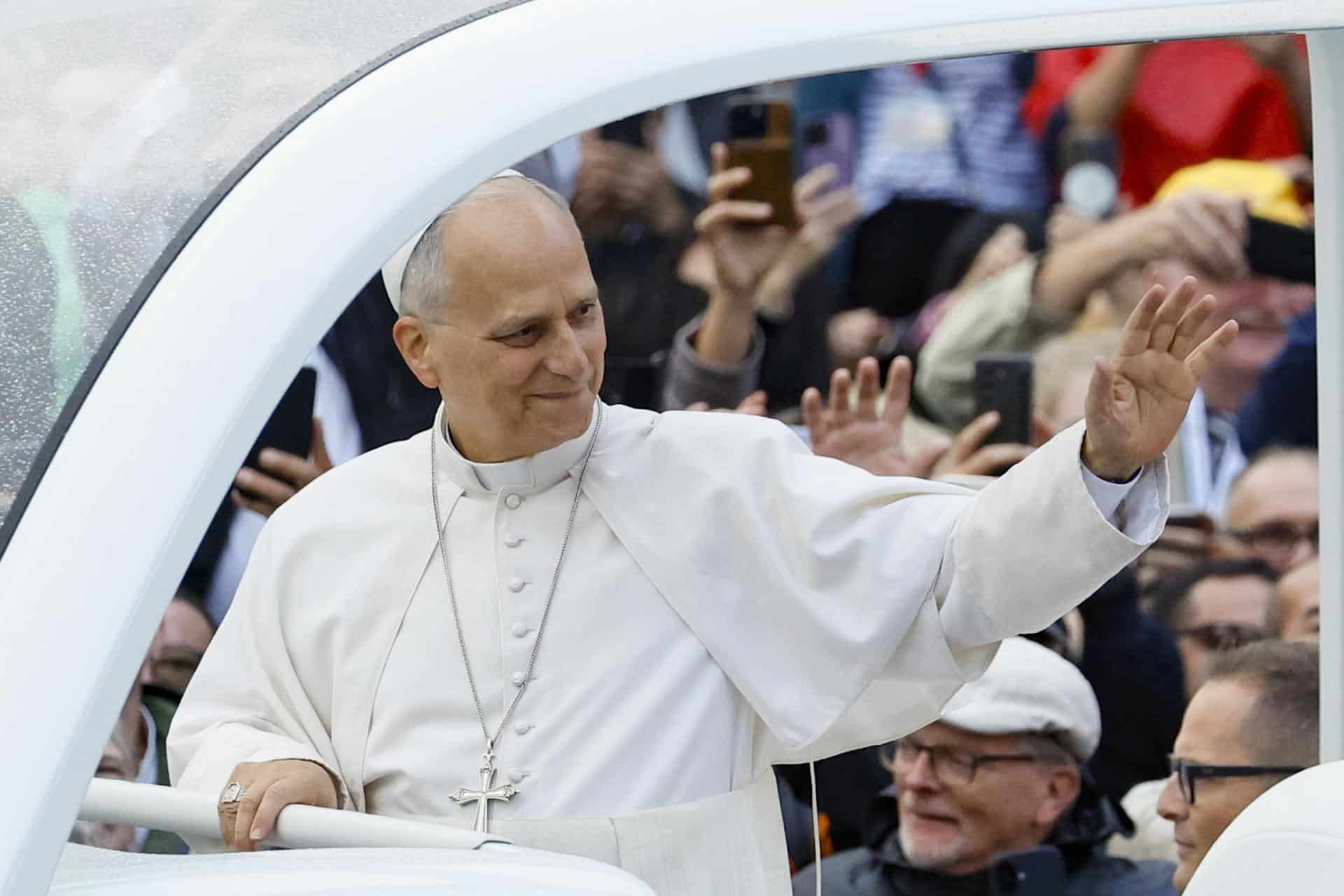
The public unveiling of the commemorative loaf came as the Holy See confirmed that Pope Leo XIV will proceed with his scheduled travel to Latin America.
Vatican officials confirmed on Monday that the papal journey will begin in Uruguay from 6 to 8 November. The apostolic tour will continue across South America until 16 November, with subsequent stops scheduled in Argentina and Peru.
An apostolic journey represents an official pastoral visit by the Bishop of Rome to Catholic dioceses abroad, typically combining religious liturgies with formal diplomatic state receptions.
Cardinal Sturla said news of the official Vatican confirmation brought great joy to the local Catholic Church in Montevideo, as it showed that the pontiff is in good health and able to maintain his travel schedule.
Recovery following lung surgery in Rome
The confirmation provided reassurance following medical treatment in Italy earlier this month. The pontiff underwent surgery at the Gemelli Polyclinic in Rome on 13 October, two days after he announced during his Sunday Angelus address that physicians had identified a nodule on his right lung.
Post-operative diagnostic examinations revealed that the growth was an adenocarcinoma, a form of malignant tumour. Surgeons removed the entire lower lobe of the pope's right lung during the procedure.
Adenocarcinoma of the lung originates in mucus-producing glandular cells and represents the most common variety of non-small cell lung cancer. A pulmonary lobectomy removes an entire anatomical section of lung tissue to ensure clear surgical margins around a localised tumour.
The Agostino Gemelli University Polyclinic, where the procedure took place, has treated Roman pontiffs for decades and houses a dedicated papal medical suite on its tenth floor.
A formal statement issued by the Vatican indicated that post-surgical laboratory evaluations and diagnostic tests revealed no clinical contraindications to travel, clearing the pontiff to embark on his pastoral visit.