

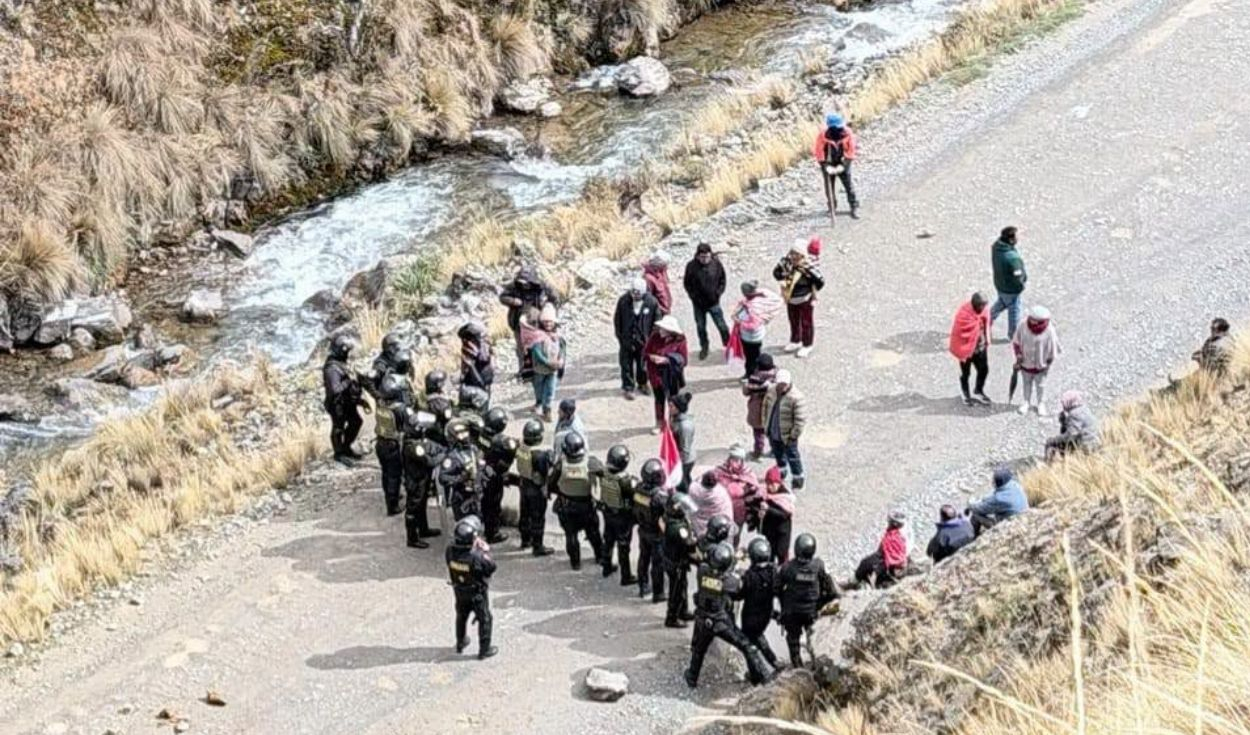
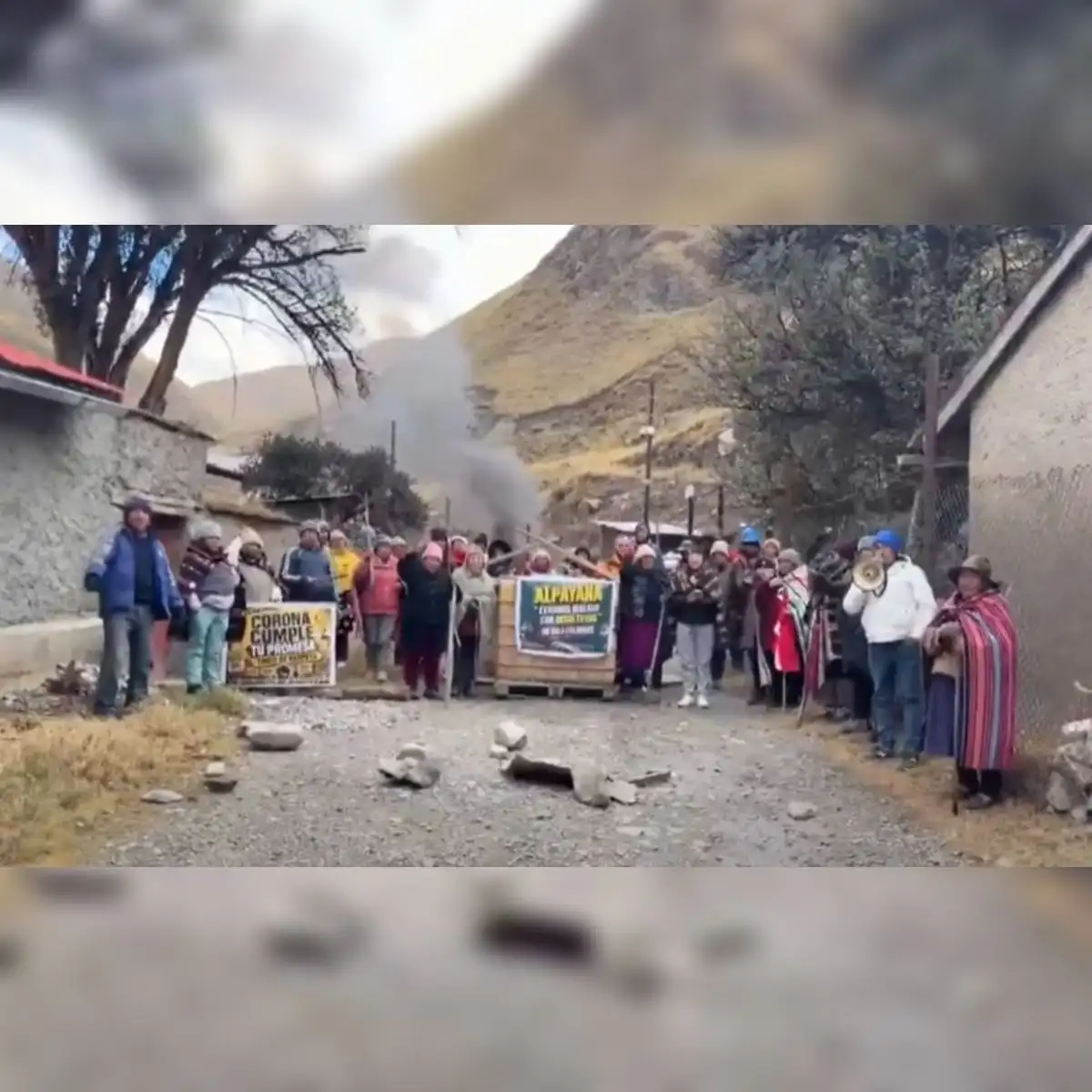
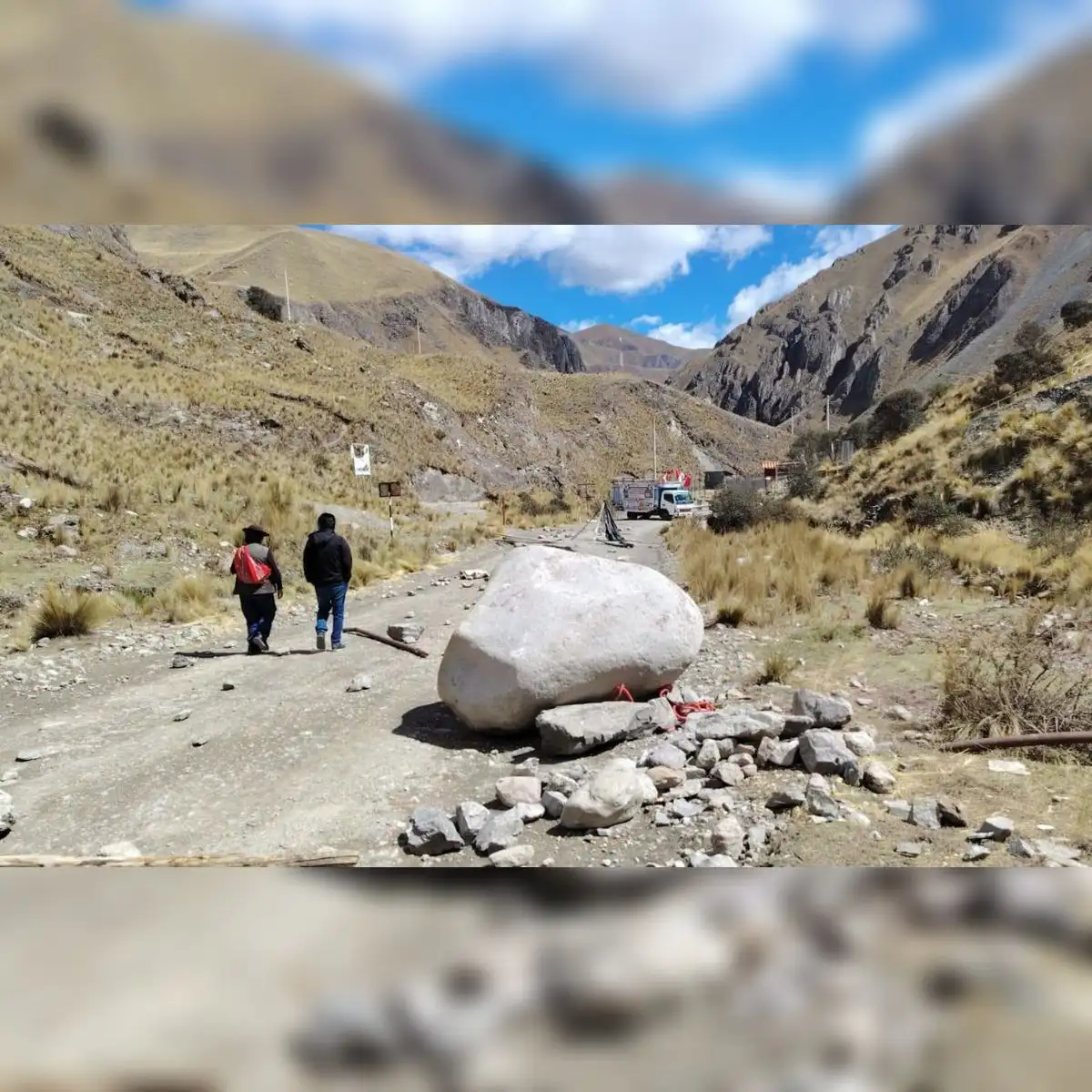
Members of the Tinco peasant community in Peru's Yauyos province have blocked the access road to the Corona mine during an indefinite strike. The protest against Sociedad Minera Corona, owned by the Alpayana corporate group, reached its fifth day on Saturday after beginning on Sunday, August 9.
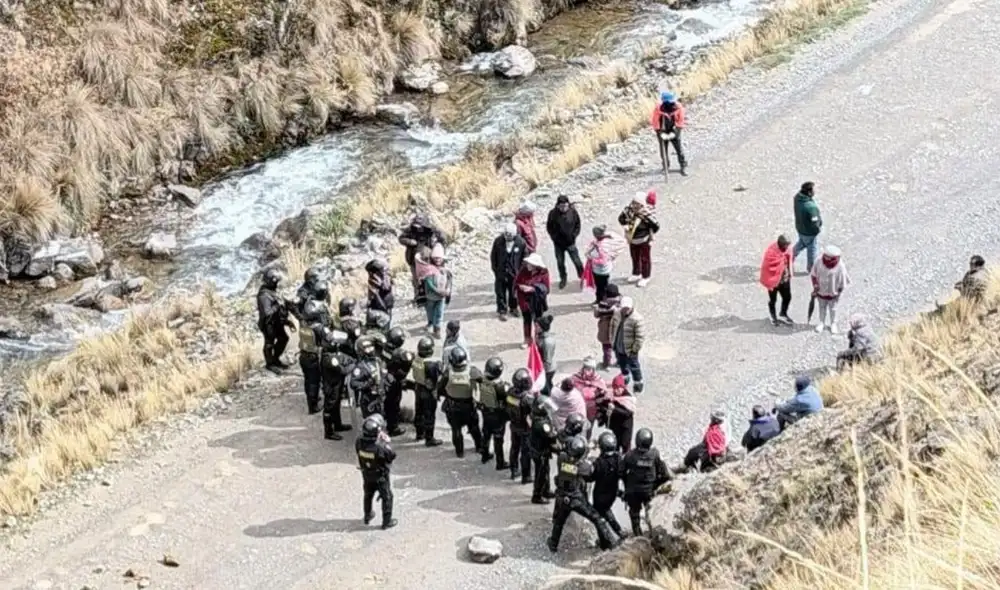
Protesters placed stones and obstacles along the Chupaca to Yauyos route to restrict vehicles linked to the mining operation. Community members allege that the company failed to honor agreements on communal land usage, local contracting opportunities, employment, and social and environmental commitments.
The dispute has dragged on for more than a year. Residents participating in the action said that while Tinco previously took part in multiple meetings and working tables with company representatives, the talks failed to resolve their primary grievances.
Dispute over communal land
A key point of contention involves a strip of communal land traversed by the main access road to the mine. Community member Wilmer Juan de Dios said Tinco demarcated the land boundary and maintained that Alpayana had previously recognized communal ownership of the area.
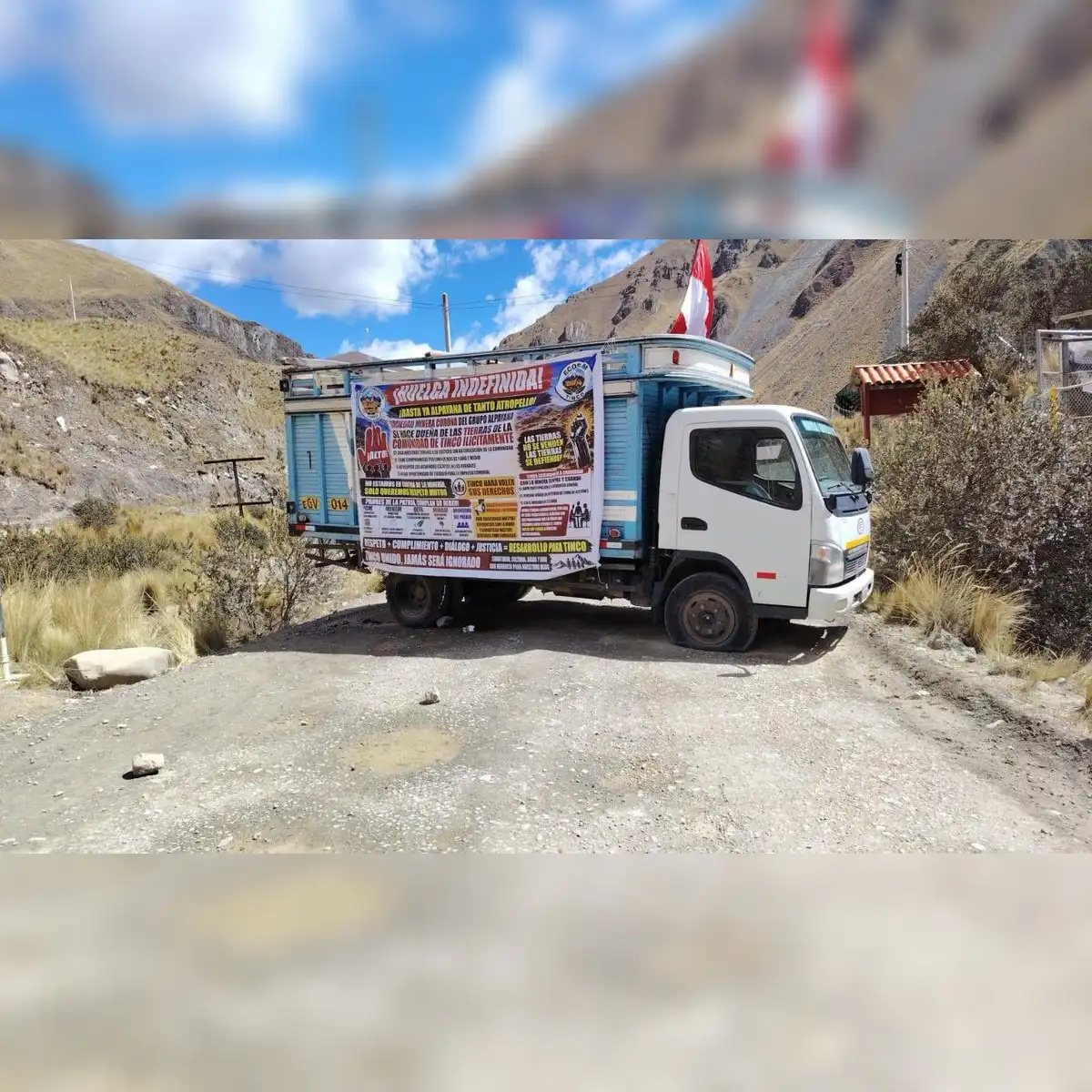
Juan de Dios said company representatives claim the land dispute has already been resolved, a position the community strongly rejects. He said the community is demanding financial compensation for the use of the property and regards the issue as an outstanding obligation.
Contract grievances for local enterprise
Frustration also centers on ECOSEM Tinco, a community-owned enterprise established to provide services to the mine. Local leaders argue that Alpayana should grant more service contracts to ECOSEM so that economic benefits from mining activity reach the local population.
Specific contract disputes include hospitality, laundry, and minor maintenance services. Tinco representatives noted that these contracts were scheduled for award on May 1, 2026, but were not granted to the community business.
A separate disagreement involves water tanker truck services. ECOSEM readjusted its financial proposal and requested flexible vehicle age requirements, but Alpayana awarded the contract to third parties. Tinco pointed out that rival contractors operate vehicles that exceed the age limits imposed on ECOSEM.
Pending environmental and social commitments
On July 1, the Tinco Peasant Community and ECOSEM submitted a formal letter to Peru's Ministry of Energy and Mines detailing their pending demands. The document listed unresolved issues concerning Cabecera de Vado, the Titimina project, the Social Responsibility Fund, Camino Real, the Community Relations Plan, environmental monitoring, and community participation in the detailed Environmental Impact Assessment modification, known as the MEIA-d.
Community leaders stated that more than a year of unsuccessful talks destroyed confidence in Alpayana's community relations staff. As a result, Tinco has requested that future negotiations involve higher-level corporate executives from the Alpayana group.
Dissatisfaction with the company led to an Extraordinary General Assembly on May 31. During the meeting, community members formally voted to declare previous dialogue channels exhausted and demand immediate resolution of all outstanding commitments.
Failed talks and potential escalation
A scheduled meeting convened by the Ministry of Energy and Mines for Wednesday was canceled after corporate representatives failed to show up, according to Juan de Dios. The ministry's Office of Dialogue Management and Citizen Participation had previously forwarded Tinco's demands to Alpayana and called a virtual session on July 14 to encourage dialogue.
Following the company's absence from Wednesday's meeting, community members warned that they may radicalize their protest measures. However, Tinco stressed in a public statement that its goal is not to halt mining activity, asserting support for responsible mining provided territorial rights, existing agreements, and local development opportunities are respected.
The community has called for state intervention from the Ministry of Energy and Mines, the Environment Ministry, environmental evaluation agency OEFA, sustainable investment certifier Senace, national water authority ANA, and the Ombudsperson's Office. Until an agreement is reached, the blockade remains active along the Chupaca-Yauyos route.


