

Dr Vaso Zisimopoulou of Henry Dunant Hospital has warned that stroke patients must reach medical care within one hour of symptoms appearing.
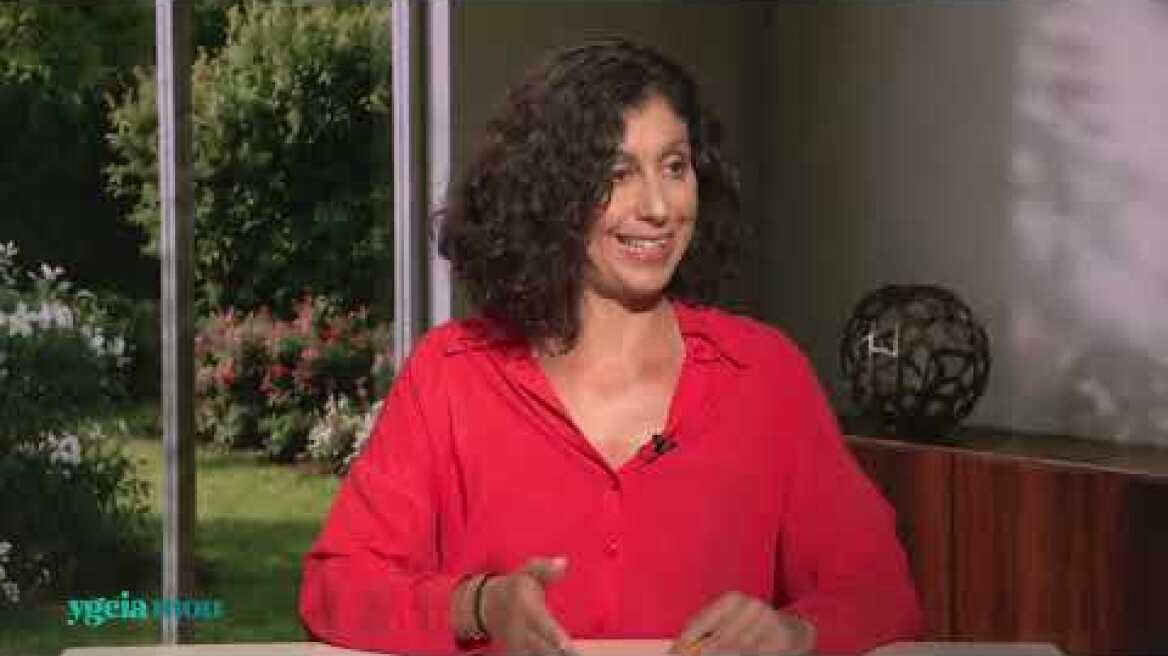
Speaking on a medical broadcast for Greek health platform ygeiamou, the neurology director explained that strokes are one of the leading causes of death and disability across the globe. She stated that approximately one in four individuals will experience a stroke during their lifetime.
Henry Dunant Hospital Center is a major hospital based in Athens, Greece, where Zisimopoulou directs the 3rd Neurological Clinic. The health channel ygeiamou is a medical news service in Athens that produces video interviews with Greek healthcare specialists.

Zisimopoulou emphasized that a stroke is a vascular illness that represents an infarction of the brain. Although stroke incidence rises as people grow older, she stressed that the condition can strike adults in their thirties, forties, and fifties, particularly when vascular risk factors are present.
Stroke symptoms and warning signs
Stroke symptoms develop suddenly rather than gradually, according to Zisimopoulou. The most common warning signs include facial drooping on one side of the face, weakness or paralysis affecting one arm or leg, and slurred or difficult speech.
Patients may also suffer sudden visual disturbances or severe, unexpected vertigo. Zisimopoulou stressed that these episodes must never be dismissed as simple dizziness or a routine fainting spell, which is a common and dangerous misunderstanding among the public.
In standard medical terms, an ischemic stroke takes place when a blood clot blocks an artery that supplies blood to the brain. This blockage deprives brain tissue of essential oxygen and glucose, causing cells to die rapidly if blood circulation is not promptly restored.
Emergency hospital treatments
Getting a patient into the care of a specialist neurologist at an emergency department as quickly as possible is vital to surviving a stroke and preventing severe brain damage. Zisimopoulou said that the patient should ideally arrive at the hospital within one hour of the first symptoms.
Emergency treatment options depend on how quickly the patient arrives. Intravenous thrombolysis, a medical therapy that uses medication to dissolve clots, can be administered within the first four and a half hours after symptoms start.
Patients with severe blockages may also undergo mechanical thrombectomy within the first six hours. In this catheter procedure, interventional neuroradiologists physically enter the affected blood vessels to extract the clot and reopen the artery.
Critical treatment timeframes
The initial 24 hours of hospital care are decisive for stroke survival and recovery. Zisimopoulou noted that selected patients can still receive acute medical therapy up to 24 hours after onset, though the proportion of eligible patients declines steadily with each passing hour.
Once the initial 24 hour window has closed, hospital medical teams shift their focus to secondary prevention. This ongoing medical treatment is designed to shield the patient from experiencing a second stroke.
Rehabilitation and long term recovery
While some neurological deficits may persist, Zisimopoulou explained that early emergency intervention keeps residual damage to an absolute minimum. Many patients make a substantial recovery and return successfully to their jobs, families, and regular daily lives.
For individuals who arrive outside the acute treatment window or retain physical impairments, Zisimopoulou said comprehensive rehabilitation is essential. This recovery process involves speech therapy to restore communication, occupational therapy to rebuild everyday motor skills, and physiotherapy to regain movement.

Lifestyle changes and prevention
Preventing an initial or recurrent stroke requires managing major cardiovascular risk factors. Zisimopoulou identified tobacco smoking, high cholesterol, diabetes mellitus, atrial fibrillation, and other heart diseases as primary drivers of stroke risk.
She explained that patients must adopt essential lifestyle changes to safeguard their vascular health. Recommended measures include quitting smoking, cutting dietary fats, exercising regularly, eating a Mediterranean diet, and getting sufficient sleep.
Zisimopoulou noted that the brain relies on the very same preventive measures that protect against heart attacks. She concluded that the identical health habits used to avoid myocardial infarction will also protect the vascular system of the brain.