

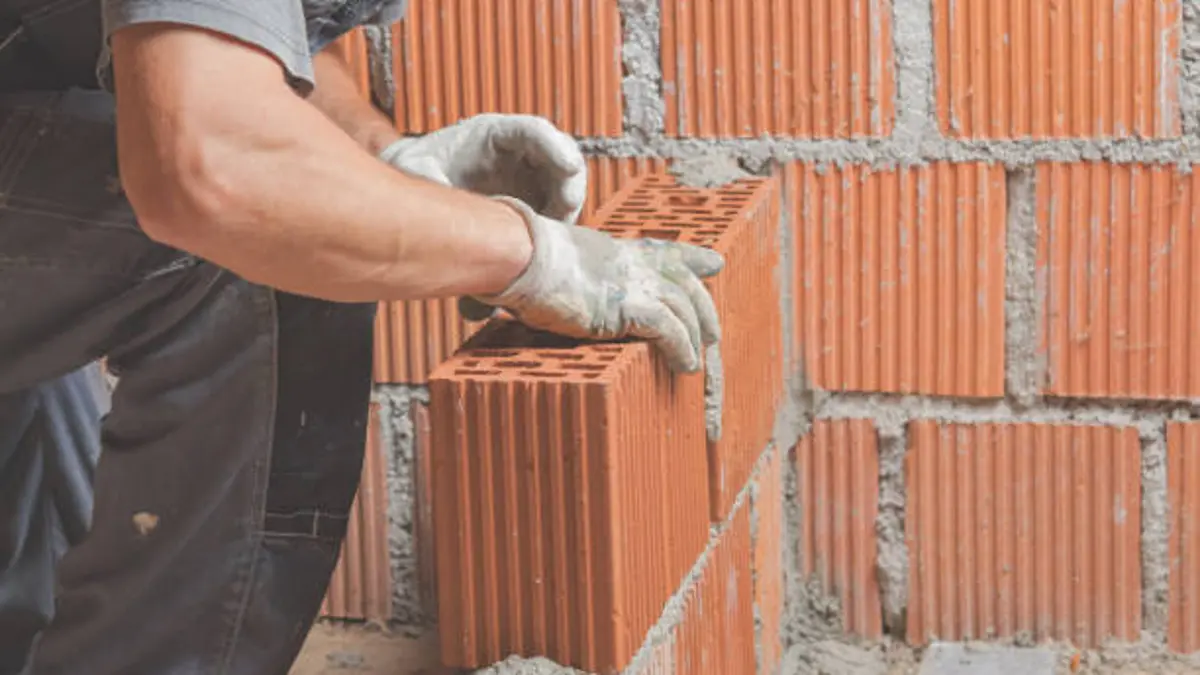
José María, a 64-year-old bricklayer in Spain, was told by a town hall that a construction job required him to speak English. The veteran tradesperson, who began working at age 14, applied for the municipal job posting and received the requirement several weeks later. He told the newspaper El Español that he did not know he had to speak English with the bricks.

The incident reflects a broader paradox across the Spanish construction industry, where companies struggle to recruit qualified staff despite needing hundreds of thousands of workers. Electrician Ricardo Abellán said the shortage of electricians, plumbers, and bricklayers has already created waiting lists of several weeks. Meanwhile, a Honduran bricklayer working in Spain noted that a lack of work and opportunities in Honduras drives many workers to emigrate.
Industry estimates place the national labor deficit at around 700,000 workers. This shortfall lengthens project timelines and increases final budgets for both construction firms and property owners who buy or renovate housing.
An aging workforce further exacerbates the recruitment crisis. Only one in 10 construction workers in Spain is under 30 years old, while almost a quarter are over 55. Analysts calculate that more than 139,000 professionals will exit the labor market over the next five years.
José María currently works on a construction site in Madrid, where the workforce composition illustrates the lack of generational replacement. He said his site has only one 28-year-old worker, while all remaining staff are over 50.
Salary expectations and industry pay
The veteran bricklayer pointed to starting salaries as a key reason young people avoid the trade. He said young applicants focus primarily on earnings and refuse roles paying 1,200 euros a month, describing many younger workers as comfortable and expecting higher pay from the start.
A labor market report by InfoJobs and Esade showed that the average offered salary for a construction worker in Spain reached 28,567 euros per year in 2026. However, entry-level laborers start at substantially lower rates, receiving a base salary of around 1,300 euros per month across 14 annual payments.
The difficulty of filling specialized positions has had a direct effect on overall building prices. At the start of 2026, construction costs rose by 5.4 percent as delays and labor shortages increased project expenses.
Material prices and housing impact
Escalating raw material prices have added further pressure to the sector. Geopolitical tensions caused material costs to rise between 9 percent and 12 percent, compounding the impact of unfilled jobs.
The combined cost increases directly affect consumers seeking to build new homes, complete renovations, or execute infrastructure projects. As execution costs climb, the shortage of trade professionals has become a major obstacle to housing access.
José María, who has spent nearly half a century laying bricks, noted that worker purchasing power has declined sharply over his career. He said 400 pesetas could buy numerous items in the past, whereas the same sum cannot buy a coffee today.
The bricklayer added that he has received only a 100-euro pay raise over the past 20 years. His experience highlights the contradiction facing Spanish construction as older tradespeople retire without enough new workers to replace them.


