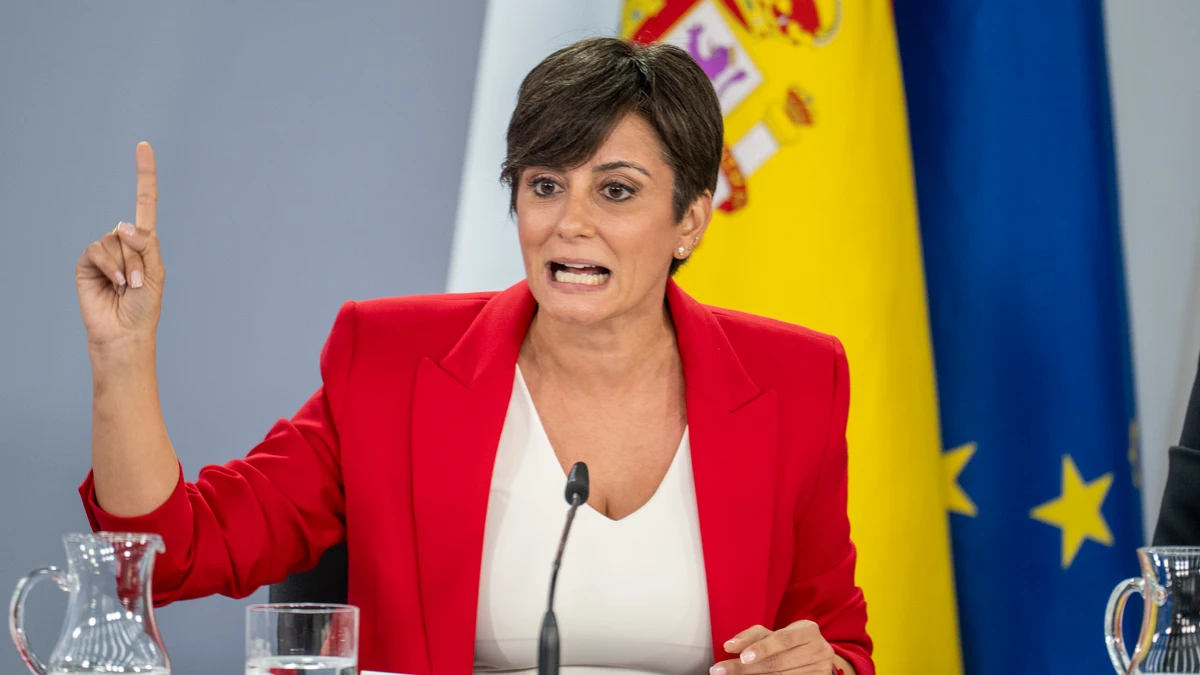
The Spanish government has launched a new public loan line to help buyers purchase their first primary home, offering financing of up to 50,000 euros with no interest and no fees. The measure is part of a housing decree that Spain's Congress validated on 12 November.
But notary María Clemente has warned that the full 50,000 euros is not guaranteed to every buyer, and that the loans carry a lasting condition that can shape what happens to the property long after the debt is paid off.
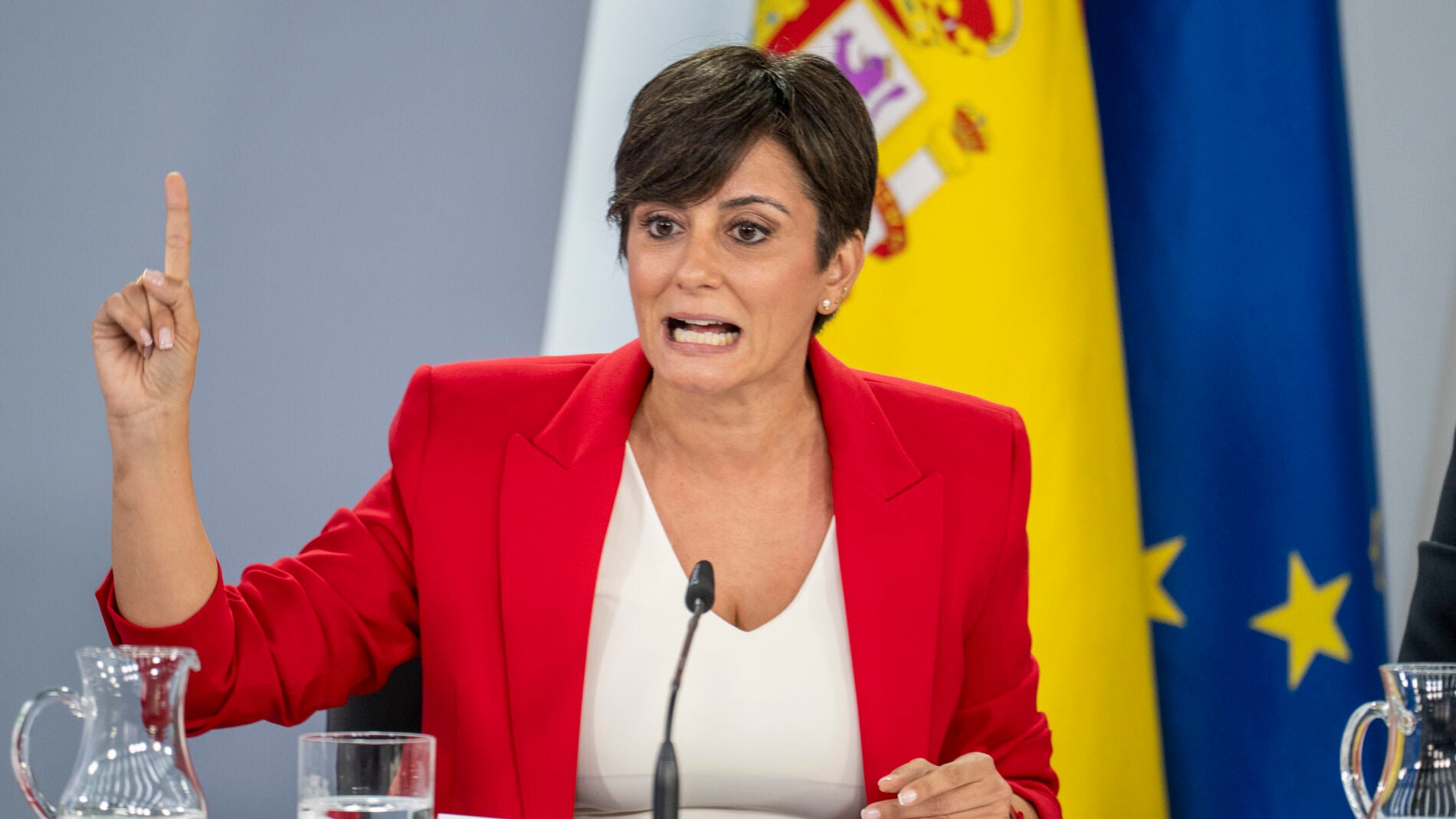
Clemente said the first thing buyers need to understand is the difference between receiving 50,000 euros and being eligible for a loan of up to that amount. The public financing covers whichever is lower: 20% of the home's value or 50,000 euros. That means the price of the property determines how much a buyer can actually request.
How much buyers can actually borrow
Clemente illustrated the point with an example. If someone buys a home for 200,000 euros, 20% of that value comes to 40,000 euros, meaning the buyer would not be able to receive the full 50,000 euros. She said the loans are not loans of 50,000 euros, but loans of up to 50,000 euros.
The scheme, known as the TU CASA line, offers zero-interest loans with no fees. However, Clemente noted that Spain's Council of Ministers still needs to finalise the exact conditions and the procedure for applying for the loans.

María Cristina Clemente, on avoiding the Property Transfer Tax: the seller does not need to charge VAT on that transfer's invoice.
A permanent cap on resale price
Clemente's second warning concerns a condition she considers especially important: homes bought with this financing remain permanently subject to a maximum resale price. The restriction does not disappear once the owner has repaid the public loan to the Instituto de Crédito Oficial (ICO), Spain's state-owned public bank that administers the scheme.
She posed the question directly: if the loan to the ICO has been repaid and the owner then sells, are they still bound by that maximum transfer price? Her answer was yes. The same applies if the owner dies and their children inherit the property. If the children then want to sell, Clemente said, they remain subject to the same maximum price.
The limit also applies to any later sale of the property: the resale price cannot exceed the original purchase price updated in line with the Consumer Price Index, with the possible addition of certain renovation or improvement works under terms the government has yet to set. The restriction must be written into the public deed of sale and registered with the Land Registry.
Not the same as protected housing
In Clemente's view, this condition effectively turns these properties into a form of protected housing, known in Spain as vivienda de protección oficial (VPO), without the buyer necessarily gaining the benefits usually tied to that status. She said these homes have become a kind of protected housing but without any of the advantages a buyer would actually get from purchasing a genuine VPO.
Clemente also flagged the tax bill facing buyers. Acquiring a home through this mechanism does not automatically bring the tax reductions that some of Spain's regional governments apply to officially protected housing. Buyers will still need to factor in the Property Transfer Tax that applies in their case, along with whatever tax conditions their own region sets.
What happens next
The Council of Ministers still needs to finalise the exact conditions and procedure for applying for loans under the TU CASA line.
Test yourself
What determines the maximum loan amount under the TU CASA scheme?
According to notary María Clemente, what happens to the price cap after the ICO loan is fully repaid?
What did Clemente say buyers do NOT automatically get under this scheme?
Where it happened
Madrid, Spain